
Airbnb is sued in Florida for listing property in Cuba confiscated by Castro decades ago
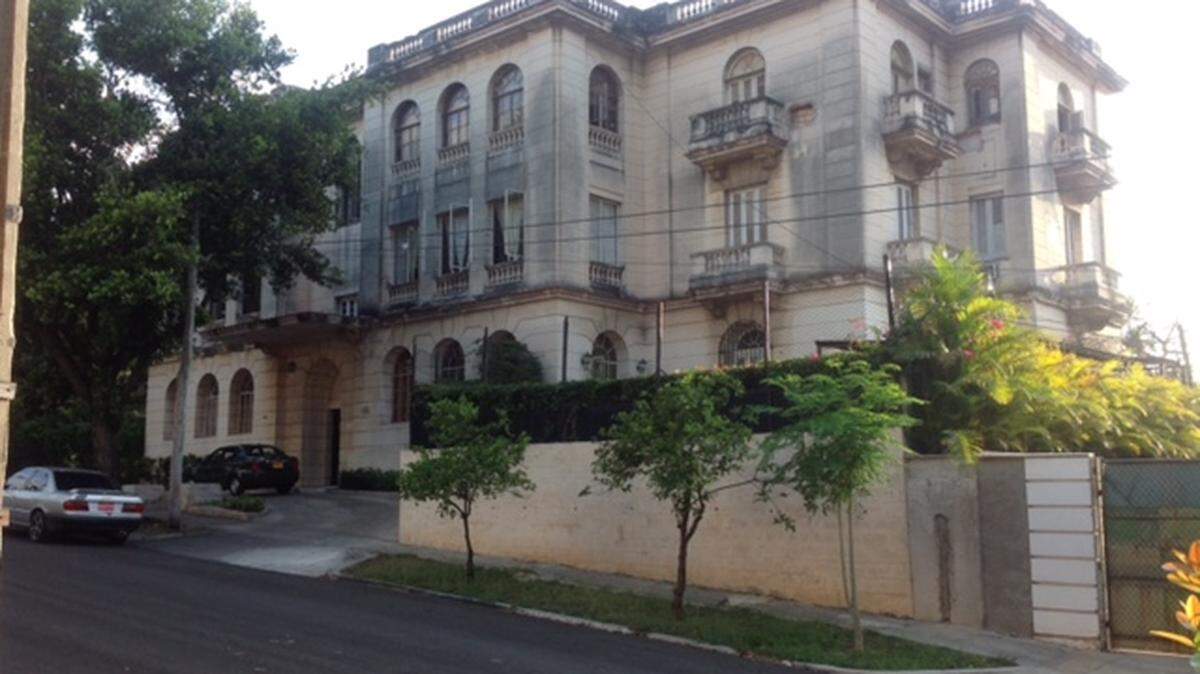
A Florida physician is suing Airbnb, claiming the vacation rental company unlawfully profited from listing on its website a property that Fidel Castro’s government confiscated without paying compensation to his family decades ago, in what appears to be the first lawsuit alleging “trafficking” involving the business use of a residential property on the island.
The lawsuit, filed on Monday in Florida’s federal Middle District, headquartered in Orlando, argues that Airbnb profited from advertising a rental in a six-apartment building in a leafy area in the Havana neighborhood of Marianao that was originally owned by members of the Parreño family, including Alberto Parreño. In 1970, the Department of Justice’s Foreign Claims Settlement Commission certified Parreño’s claim to one-third of the land and building, valued at $547,365.24 at the time
Parreño, an American citizen, died in 1972. Javier Garcia-Bengochea, his cousin and the estate’s administrator, filed the lawsuit.
The suit says Airbnb continued listing the property between August 2019 and May 2022 after it was notified that it was subject to a claim and that it “knowingly, voluntarily, intentionally, and continuously trafficked in the Property.” In a Jan. 2022 story, the Miami Herald reported that Airbnb had listed one apartment with high guest ratings in that building at least since 2017, according to the reviews. The company told the Herald at the time that it would investigate the allegations and take action, including removing the listing if it was found to violate its policies. That listing is no longer appearing on the company’s website.
Airbnb did not immediately respond to a request for comment.
Garcia-Bengochea, a Jacksonville Cuban-American neurosurgeon, actively lobbied Congress and several administrations to enforce a provision in the 1996 Helms-Burton Act, also known as the Libertad Act, that would allow suing companies with business in Cuba for “trafficking in confiscated property.” The right to sue had been suspended by every president since the law was first enacted but was reinstated by President Donald Trump.
A flurry of lawsuits followed against American, foreign, and Cuban government entities doing business involving confiscated properties, mostly hotels, mines, ports, airports and land. Most cases are still in litigation and or in appeals. Some lawsuits, including a previous one filed by Garcia-Bengochea against cruise companies that used port facilities in Santiago de Cuba seized from his family, have been dismissed or lost on appeal over technicalities and questions around ownership. But in another case still in litigation involving facilities at the port of Havana, several cruise companies were ordered to pay over $400 million in compensation.
According to Airbnb’s website, the company advertises more than 1,000 places in Havana. The company started working in Cuba in 2015, during a period of improved relations with the island. The U.S. Treasury Department imposed a fine on the company in January 2022 for apparent violations of the U.S. embargo. At the time, Treasury warned companies about “entering new commercial markets, particularly one that has elevated sanctions risks such as Cuba, without fully anticipating the complexities of legally operating in a U.S.-sanctioned jurisdiction.”
This story was originally published March 5, 2024 at 2:58 PM.