
Cuban diplomat: government will not stop its citizens from fighting for Russia in Ukraine
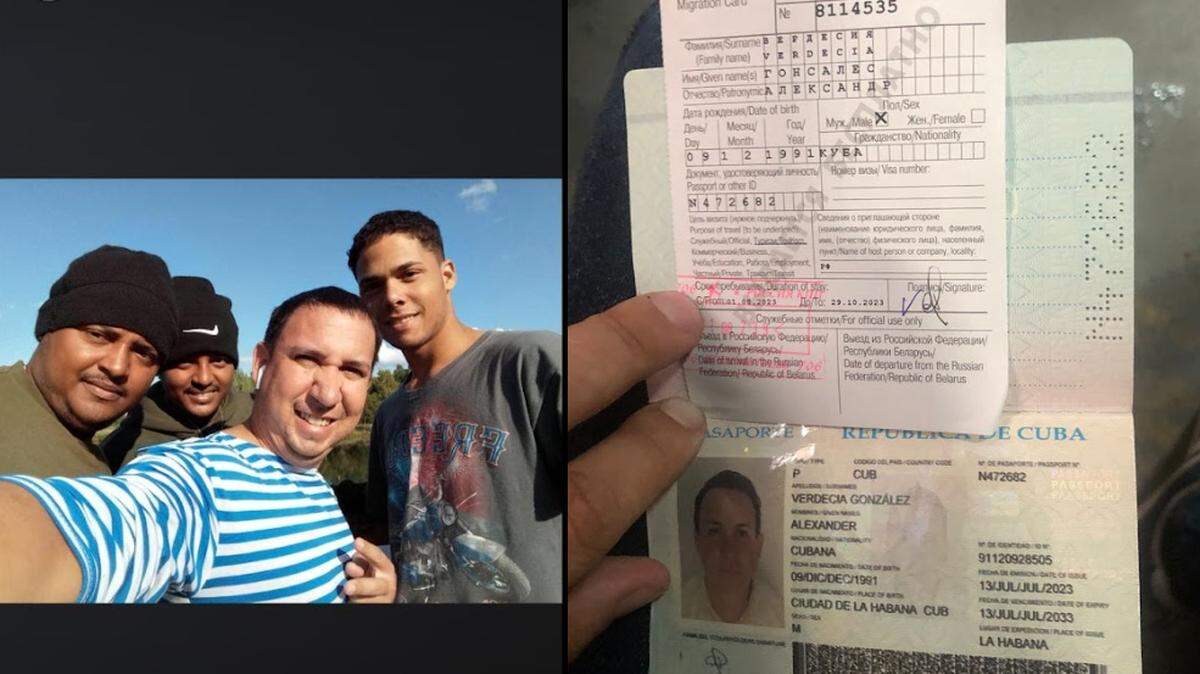
In an apparent policy reversal, Cuba’s ambassador to Russia said the Cuban government would not stop its citizens from enlisting in the Russian army to fight in Ukraine, despite earlier statements by the island’s authorities reporting the arrest of 17 people involved in recruiting Cubans for the Russian army and assurances that Cuba was firmly against such activities.
“We have nothing against Cubans who just want to sign a contract and legally take part in this operation with the Russian army,” the Cuban ambassador to Moscow, Julio Antonio Garmendia Peña, told Russian state news agency Ria on Thursday. “But we oppose illegality and these operations that have nothing to do with the legal area.”
Following dramatic testimony in late August by two young Cuban men who said they were scammed into joining the Russian military, the Cuban government said it had “uncovered” and was dismantling a human trafficking ring operating from Russia “in order to incorporate Cuban citizens living there and even some living in Cuba, into the military forces that participate in military operations in Ukraine.”
At the time, the Cuban Foreign Ministry said in a statement that Cuba “has a firm and clear historical position against mercenarism” and that it was acting “firmly” against those “who within the national territory participate in any form of human trafficking for mercenarism or recruitment purposes so that Cuban citizens may raise weapons against any country.”
Last Thursday, Cuba’s Interior Ministry said it had arrested 17 people involved in these activities, including three authorities believed were the organizers of the ring. That same day, Ukrainian citizen-journalist website InformNapalm published leaked documents showing the Russian military was behind recent efforts to recruit about 200 Cuban mercenaries to fight in Ukraine, mainly coming from the island.
The Cuban ambassador, Garmendia, called the Cubanswho were arrested “swindlers” who had broken the law. Apart from the three recruiters, most of the detainees were Cubans who wanted to enlist in the Russian Army, according to Interior Ministry officials.
“We are talking about bad people who, on the basis of such an important issue as a military operation, as relations between our countries, want to earn money, want to put money in their pocket and engage in illegal activities,” the diplomat said. He did not clarify if the recruiting of Cubans by the Russian is no longer considered as “mercenarism,” a crime under Cuban law.
A U.S State Department official said the administration is “concerned by reports alleging young Cubans have been deceived and recruited to fight for Russia in its brutal full-scale invasion of Ukraine. Russia’s need to use deceit to attract foreign fighters indicates both its military weakness and its disregard for human life.”
“We continue to monitor this situation closely,” the official said.
Late on Thursday, after the publication of this story, Cuban Foreign Minister Bruno Rodriguez said on X that “the unequivocal and unswerving position of the Cuban government, in accordance with its national legislation, is contrary to the participation of Cuban citizens in conflicts of any sort and against mercenarism and trafficking in persons.” He did not address the apparent contradiction with the statements made by the Cuban ambassador in Moscow.
A spokesman for the Cuban embassy in Washington said Rodriguez’s statement was Cuba’s official position on the matter but did not clarify the discrepancy with the ambassador’s comments.
The Cuban government has said it is not involved in the war in Ukraine and rejected allegations that is complicit in the recruitment effort by Russia, a close political and military ally. But Cuban activists and Ukrainian politicians have called into question Cuba’s denial.
“The Cuban communist regime pretends that it has nothing to do with this ‘human trafficking,’” the chairman of the Ukrainian parliament’s committee on foreign relations, Oleksandr Merezhko, said on X, the platform formerly known as Twitter. “In reality, this totalitarian regime is on the side of the aggressor.”
This story was originally published September 14, 2023 at 3:45 PM.