
Cuba to reduce passport fees, require Cuban Americans born there to travel with a Cuban passport
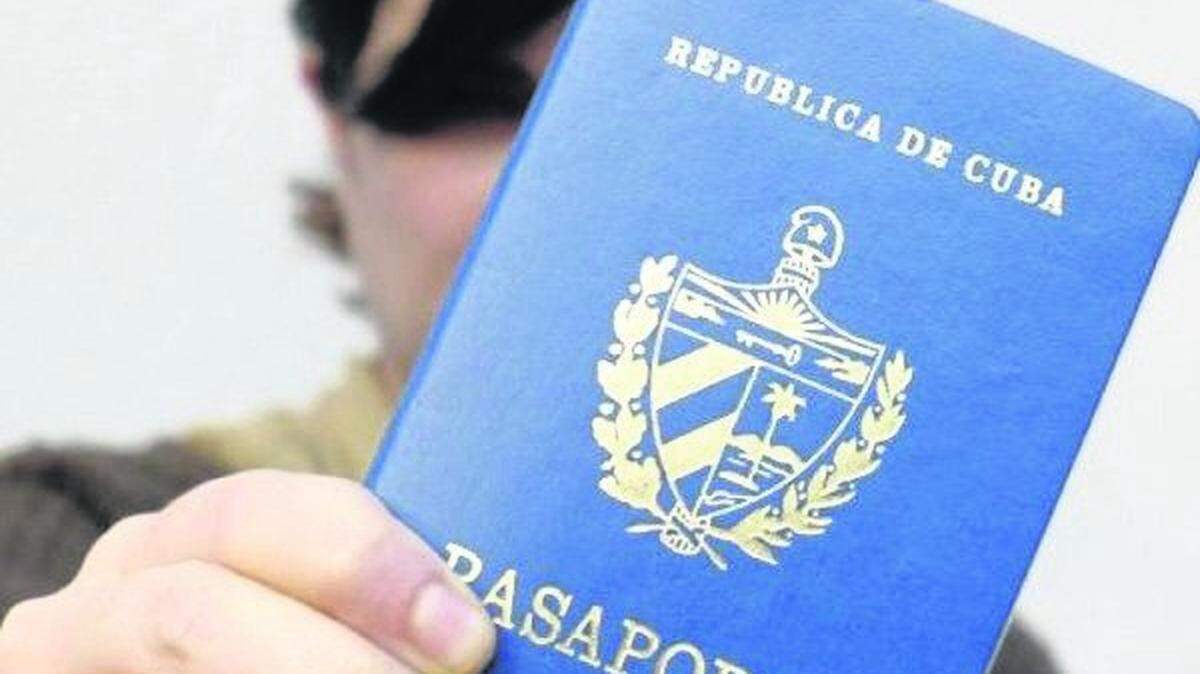
Cuban authorities announced Tuesday they will reduce the cost of getting a new passport at Cuban consulates abroad and eliminate a costly fee that their nationals must pay every two years to extend the validity of the passport, among other measures that officials said aimed at improving relations with the Cubans abroad.
However, Cuban-Americans who are U.S. citizens and who emigrated before 1971 will no longer be able to travel to the island with their U.S. passport as before. Ernesto Soberón Guzmán, an official of the Cuban Ministry of Foreign Affairs in charge of migration issues, said on Twitter that as of July 1, when the measures come into force, all Cuban Americans born on the island must apply for a Cuban passport if they want to travel to the country.
In a separate statement, Soberón said that the latest change responded to provisions in the Cuban Constitution approved in 2019, but gave no further details. The new constitution recognizes dual citizenship, but at the same time establishes that while they are in Cuba, Cubans “cannot make use of a foreign citizenship.”
Several of the announced measures respond to claims that Cubans living abroad have been making for decades.
Even though the Cuban passport is valid for six years, the government required payment for extensions every two years. Each extension could cost up to $260, depending on the agency processing it, a requirement Cuban migrants have harshly criticized.
Soberón said that the price of applying for a new passport will be $180 for adults and $140 for minors under 16. Until now, passports cost around $400 for Cubans living in the United States. He also announced the extension of passports’ validity to 10 years from the current six for those over 16. Passports for minors will be valid for five.
It is not clear if the extension will be automatic or if those with a passport that will expire soon must apply for a new one. The Cuban embassy in Washington D.C. did not immediately respond to a request for comment.
Cuban authorities also extended a pandemic-era measure allowing Cuban nationals to stay abroad for more than two years without losing their permanent residency on the island.
The measures were taken in the context of the economic impact of the COVID pandemic and the “reinforcement of the embargo and the hostility of the United States government,” Soberón said. U.S. sanctions have imposed “extraordinary restrictions on Cuba’s relationship with Cubans residing in U.S. territory and other countries,” he added.
The announcement was welcomed by some Cuban Americans on social media and in comments left on Cuban state media websites. Others said the measures fall short because they do not expand the civil and political rights of Cubans living abroad, who cannot vote in elections and are subject to travel bans if they criticize the government.
“This is good news for all Cubans, particularly those who live abroad, and responds to requests by so many of us who have fought to expand the rights and opportunities to participate in Cuban society,” said the former U.S. Rep. Joe García of Miami on Twitter.
García told the Miami Herald that he had had a “lengthy conversation” with Cuban officials and the country’s leader, Miguel Díaz-Canel, in Havana “about the need to improve conditions for Cubans to enter their country freely.”
“It’s not everything we wanted, but it’s a step.”
This story was originally published May 16, 2023 at 1:45 PM.