
High-ranking Biden administration officials traveling to Havana amid migration crisis
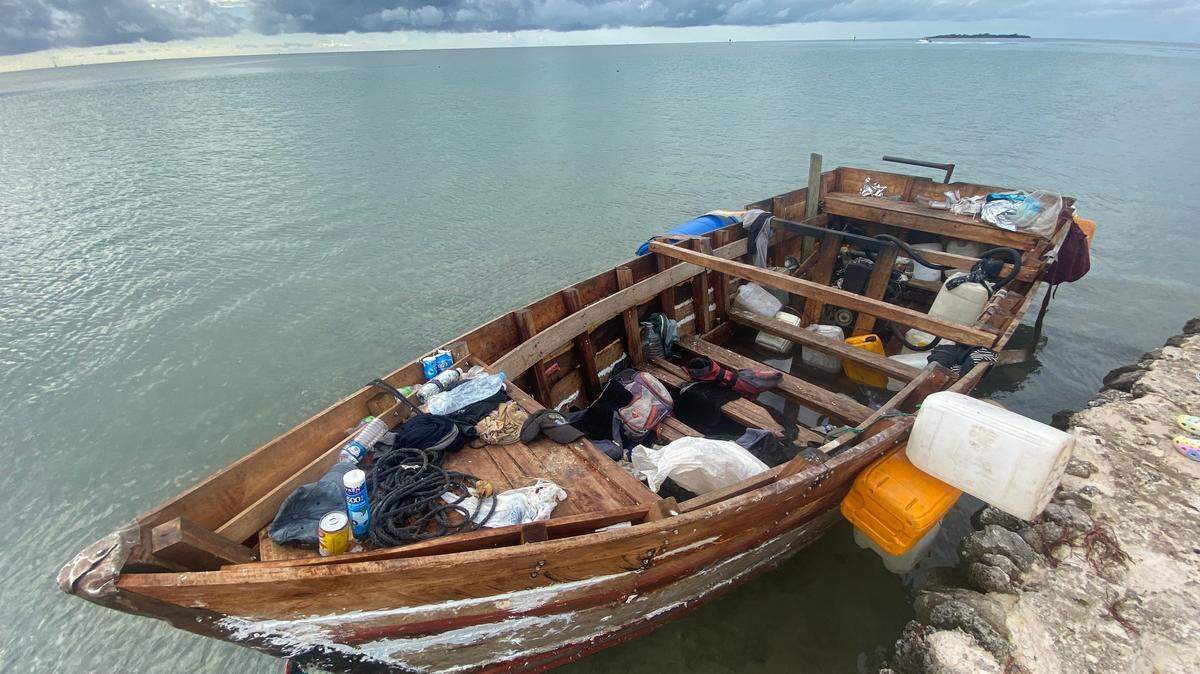
Two high-ranking Biden administration officials will travel to Havana this week to discuss migration issues, just days after survivors of a speedboat with Cuban migrants heading to the United States said the Cuban Coast Guard rammed their vessel, killing seven passengers, including a 2-year-old girl.
The trip of the State Department’s Assistant Secretary for Consular Affairs Rena Bitter and U.S. Citizenship and Immigration Services Director Ur Mendoza Jaddou to Havana is the highest-level visit of U.S officials to the island since President Joe Biden took office, a State Department spokesperson told the Miami Herald.
The State Department said both officials would discuss with their Cuban counterparts the full resumption of immigrant visa processing in early 2023 and the recent resumption of Cuban Family Reunification Parole processing at the U.S. Embassy in Havana.
“These engagements represent the continued commitment of the United States government to provide regular, safe, and orderly pathways for Cuban citizens to reunite with their family members in the United States, a key component of the 1994 Migration Accords with the Government of Cuba,” the spokesperson said.
The State Department did not say the exact day Bitter will be in Havana. She will be traveling Nov. 6-10, with stops in Georgetown, Guyana; Miami, and Havana. The agency declined to say whether the officials will be raising other issues, like the human rights situation on the island and the imprisonment of peaceful protesters, in their conversations with Cuban officials.
As operations in Georgetown wind down, the State Department said Bitter will express “appreciation” to Guyana officials “for their cooperation on consular services, including facilitating the processing of U.S. immigrant visas for Cuban nationals” since 2018. Bitter will also review U.S. passport facility operations and meet staff in Miami.
Since 2017, when the Trump administration evacuated the Havana embassy of staff due to the unexplained health symptoms suffered by some U.S. officials posted there, Cubans seeking to reunite with their families in the United States had to travel first to Colombia and later to Guyana to get visas. The Biden administration restarted some visa processing in Havana early this year and said immigration visa services would resume fully next year.
The administration also resumed the Cuban Family Reunification Parole this summer in the hopes of curbing the largest exodus of Cubans coming to the United States in several decades, almost 225,000, in the fiscal year 2022.
But Cubans continue attempting the perilous trip, trekking through Central America to the border with Mexico or taking to the sea, many in handmade rafts. On Friday, the U.S. Coast Guard repatriated 68 Cubans trying to reach Florida shores to the island.
The two governments acknowledged that their coast guards were cooperating to stop the dangerous sea voyages. But the incident in Bahía Honda, where seven people died, likely generated tension and the State Department has said it was gathering information about what happened.
The department did not say if the Biden administration officials would be inquiring about the incident during their meetings with Cuban government officials.
Also pending is the Cuban government’s agreement to take Cubans deported from the United States, which the island’s authorities agreed on as part of a deal with the Obama administration in 2017 to end the special parole policy for Cuban migrants known as “wet foot, dry foot.”
Last month, a wave of Cuban migrant detentions stoked fears that deportations to the island would resume. The Miami Herald reviewed documents provided by U.S. immigration authorities to the detained migrants, informing them that the Cuban government was reviewing their cases. But after the issue quickly became part of local political races in South Florida, the migrants were released.
This story was originally published November 7, 2022 at 11:08 AM.