
Washington names migration expert as new chief of embassy in Havana
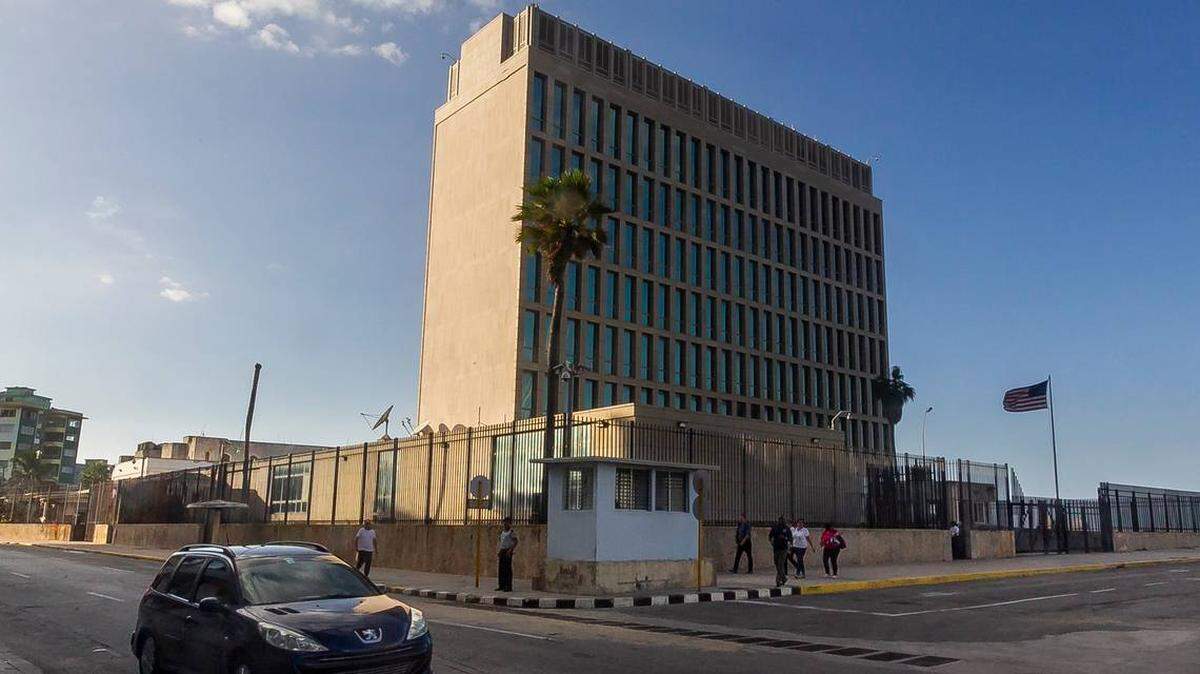
The U.S. State Department has named Benjamin Ziff, a career diplomat who was in charge of the agency’s migration policies for Latin America and the Caribbean, as the new chief of mission for the American Embassy in Havana.
In a statement Monday, the embassy said Ziff assumed the role of chargé d’affaires on July 15. Previously, he headed a working group responsible for coordinating the department’s migration policy and strategy for the Western Hemisphere. He has been a deputy assistant secretary of state for European and Eurasian affairs and deputy director of the Office of Central American Affairs, among several other posts at U.S. embassies around the world, including Colombia and Venezuela.
.jpg "DAS_Benjamin_Ziff_official_photo_200_1 (2).jpg")
The appointment comes when the island is the origin of a massive exodus of Cubans trying to reach the U.S. by land and sea. According to the latest data, U.S. Customs and Border Protection recorded 157,339 detentions of Cubans at the borders nationwide between October last year and June.
In the past few months, the U.S. Coast Guard has repatriated Cubans rescued at sea almost weekly. Since last October, Coast Guard crews have interdicted 3,516 Cubans trying to reach Florida.
Ziff replaces Timothy Zúñiga-Brown, who was appointed in July 2020. Zúñiga-Brown previously served as coordinator for Cuban affairs at the State Department. Currently, the office has no appointed head. The previous coordinator, Mara Tekach, left the post in June.
Ziff will head the embassy when Cubans are going through one of the most challenging times in recent history, with frequent electricity cuts, widespread scarcities of food, medicines and basic goods and increased government repression against all forms of dissent.
“Unfortunately, we are facing the worst human rights crisis in 60 years,” said Zúñiga-Brown in his farewell speech during the 4th of July celebrations at the embassy. “More than a thousand ordinary Cubans were arrested for peacefully demonstrating and demanding freedom, food, medicine and other basics.”
The Biden administration has imposed several rounds of sanctions against officials and agencies involved in the crackdown on anti-government protesters last year. But U.S. officials have also talked to representatives from Havana to resume migration accords signed in the mid 1990s in an effort to stem migration from the island. The administration also announced in May the lifting of some restrictions regarding travel and remittances and the reinstatement of a family reunification program.
The State Department has also increased immigrant visa processing at the embassy in Havana this summer. The embassy remains as a “partially accompanied post,” meaning that only adult family members are able to join officers in Cuba. Staff limitations were imposed after several diplomats became ill at the end of 2016 and early 2017 in what became known as “Havana syndrome.” The incidents, first characterized as attacks, are still under investigation.
This story was originally published July 25, 2022 at 3:14 PM.