
More than 50 Cubans arrested during the July 11 protests face trials this week
More than 50 people who took part in the protests on July 11 will go to trial this week, including minors and young Cubans accused of sedition for protesting against the government.
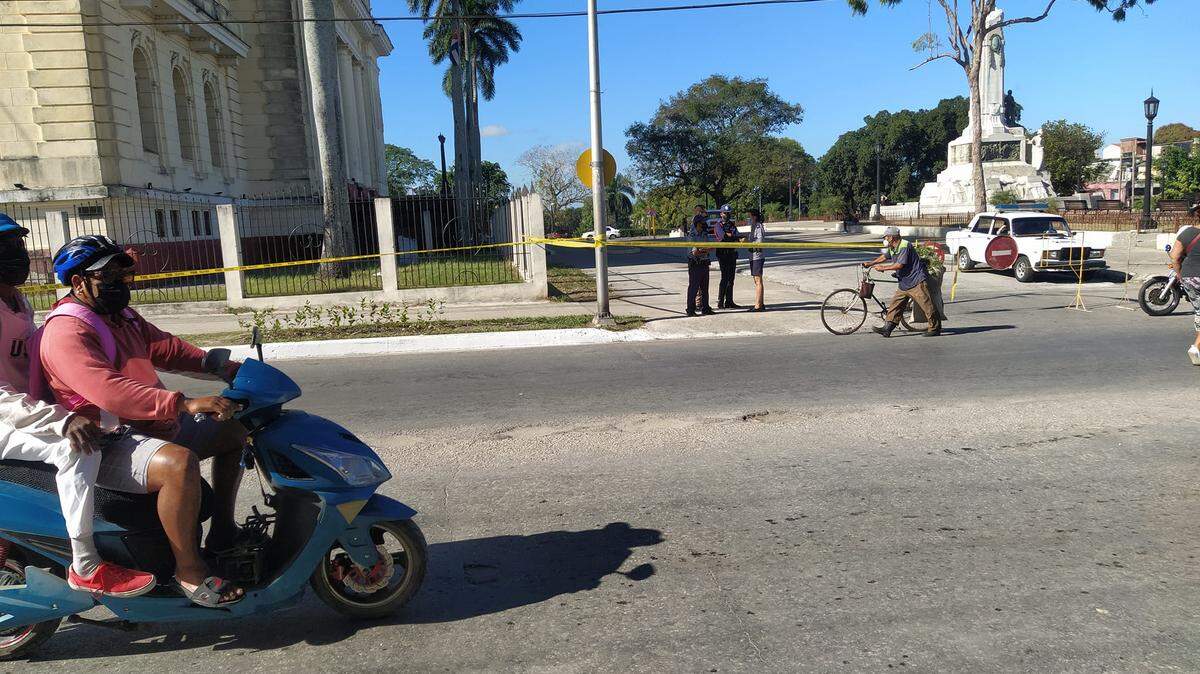
The provincial court in Santa Clara, a city in central Cuba where the trial of 16 protesters started on Monday, was cordoned off by the police. About 50 people, including family members and activists, started gathering on Monday morning in the surroundings, anxious to get information about their loved ones, the sister of one of the detainees told the Miami Herald.
“Since we arrived here, we have been surrounded by state security, the police, the black berets,” an elite police unit, said Roxana García Lorenzo.
His brother, Andy García Lorenzo, 24, was arrested on July 11 and could face seven years in prison for the alleged crimes of contempt and public disorder, two charges used by government prosecutors against those who took to the streets in the massive anti-government protests. He is currently in a maximum-security prison.
“He was beaten by state security agents, the police. They brutally beat him,” said his sister. “He was on one occasion on a hunger strike, advocating for other prisoners who were not given medical care. My brother has maintained his firm position, that he does not regret having demonstrated on July 11.”
Andy’s family has received threats for posting about his situation on social media, his sister added. She, her partner and her father-in-law were arrested and threatened with imprisonment.
The organization Prisoners Defenders sent 32 governments with embassies in Cuba a letter signed by Roxana García Lorenzo, asking diplomats to participate as observers in the trials. She also started a campaign asking the Spanish news agency EFE, which has a bureau in Havana, to cover the trials.
“My message to the international community is that they put the attention in Cuba, that they do not abandon us, we really do not have any protection here,” she said.
At least 57 protesters will go on trial this week, according to Salomé García Bacallao, an activist with the group Justicia 11J that is documenting the trials.
“In Havana and Holguín, 41 will be tried for the political crime of sedition, including four under the age of 18,” she said on Facebook. “They would join the 37 people who have already been tried in Havana for this crime, with sentences between 12 and 30 years. Ten more children are pending trial for this crime”.
Thirteen other protesters who went to trial in November near Havana received their sentences Friday, with penalties ranging from four years to 12 years in prison, according to the independent news site 14ymedio.
In December the government prosecuted more than a hundred people detained for protesting at demonstrations that were largely peaceful. During the Christmas holidays, the courts announced sentences of up to 30 years for some of those involved.
The U.S. government imposed visa restrictions on eight Cubans last week, including officials “connected to the detention, sentencing and imprisonment of peaceful July 11 protesters.” The Biden administration had previously sanctioned nine other officials linked to the crackdown.
The administration has not released the names of those sanctioned.
The official Cuban news website Cubadebate published a brief note describing the sanctions as “a new attempt by the US government to interfere in the internal affairs of Cuba.”
This story was originally published January 10, 2022 at 5:39 PM.