
Gay marriage, adoption, surrogacy: Revolutionary bill raises hope among LGBTIQ+ Cubans
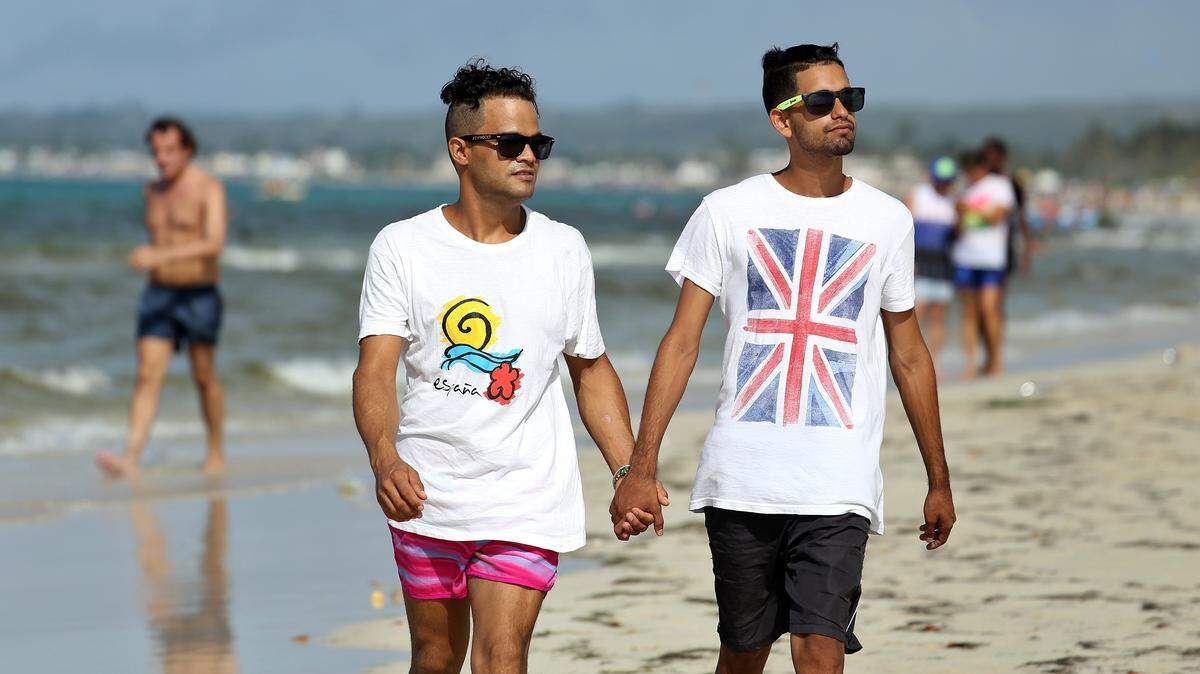
The Cuban government published the draft of a new family code this week that would allow same-sex marriage, adoption by gay couples and recognizes surrogacy, but the road ahead is long, because the legal framework must be approved in a referendum and religious groups are likely to oppose it.
The proposal defines marriage as “a voluntary union between two persons” instead of a woman and a man, as the current law from 1975 says. The change of those few words sparked a major debate in the country in 2018 when authorities removed similar language from the draft for a new constitution following criticism by the Catholic Church and other religious groups.
“The proposal is much more than what we expected and goes beyond recognizing the marriage of same-sex couples,” said Maykel Vivero, an activist and founder of the LGBTIQ+ magazine Tremenda Nota. “There are a lot of options for families, and some are frankly revolutionary, surprising. Many countries do not have these issues resolved.”
The language in the proposal recognizes surrogacy for couples that struggle with fertility or same-sex couples, but says no one can charge for the surrogacy. The proposal also includes provisions to allow a child of a same-sex couple to legally have two mothers or two fathers. It would even allow a child to have more than two parents, in cases where the surrogate mother or the biological parent would claim the right, or when a partner decides to legally adopt a stepchild.
“Families are much more diverse than what the [current] law acknowledged,” Vivero said. “Hopefully, the code will be approved without any hiccup, but it has many enemies” among conservative groups and inside the government, he added.
“We know the homophobic and transphobic history of the Cuban revolution,” he said.
For Cuba, the legislation is a far cry from the days when Fidel Castro called gays “elvispreslianos” (followers of Elvis Presley) and sent them to forced labor camps known as UMAPs in the 1960s. LGBTIQ+ activists are cautiously optimistic but fear the draft might prompt a backlash from religious groups, which mobilized in 2018 to oppose the gay marriage clause in the new constitution. The Cuban government ceded to the pressure and rephrased the controversial article to say the issue would be resolved in a new Family Code that would have to be approved in a national referendum.
At the time, it was a major disappointment for gay and lesbian Cubans and a majority of the population who supported giving same-sex couples the same rights that heterosexual couples enjoy, according to a survey conducted by the government’s office of national statistics in 2016.
On the TV show “La Mesa Redonda,” The Round Table, Justice Minister Oscar Manuel Silvera Martínez said Wednesday that the commission in charge of drafting the legislation would consider public comments before sending a final version to the National Assembly in December. After approval by the Assembly, the bill would need to be ratified by the population in a referendum. This new procedure has not been used to approve any other legislation, except for the 2018 Constitution.
The proposal “shatters paradigms,” said Leonardo Pérez Gallardo, a law professor at the University of Havana who is a commission member. “It embraces, recognizes and protects families whatever their form of organization, and therefore gives them equal treatment.”
The commission comprises members of the National Assembly, state institutions and political organizations, but has no representatives from LGBTIQ+ groups.
During the 2018 debate, observers warned that the government was using gay rights to improve its international image and deflect from other reforms. The new Family Code draft was published amid intense criticism of the government’s human rights record, after authorities quashed protests in July with violence and banned criticism in social media.
But Vivero believes the legislation provides a unique opportunity for correcting some of the wrongs against gay and lesbian Cubans, who for decades were perceived with suspicion if not as outright enemies of the revolution.
“It is an act of reparation, of justice,” he said. “It opens a lot of opportunities for Cuban families, families that were erased, that were never included in the national project. Now they could be, and that is huge.”
This story was originally published September 17, 2021 at 3:51 PM.