Cuban government: Major expansion of small private-sector businesses gets green light
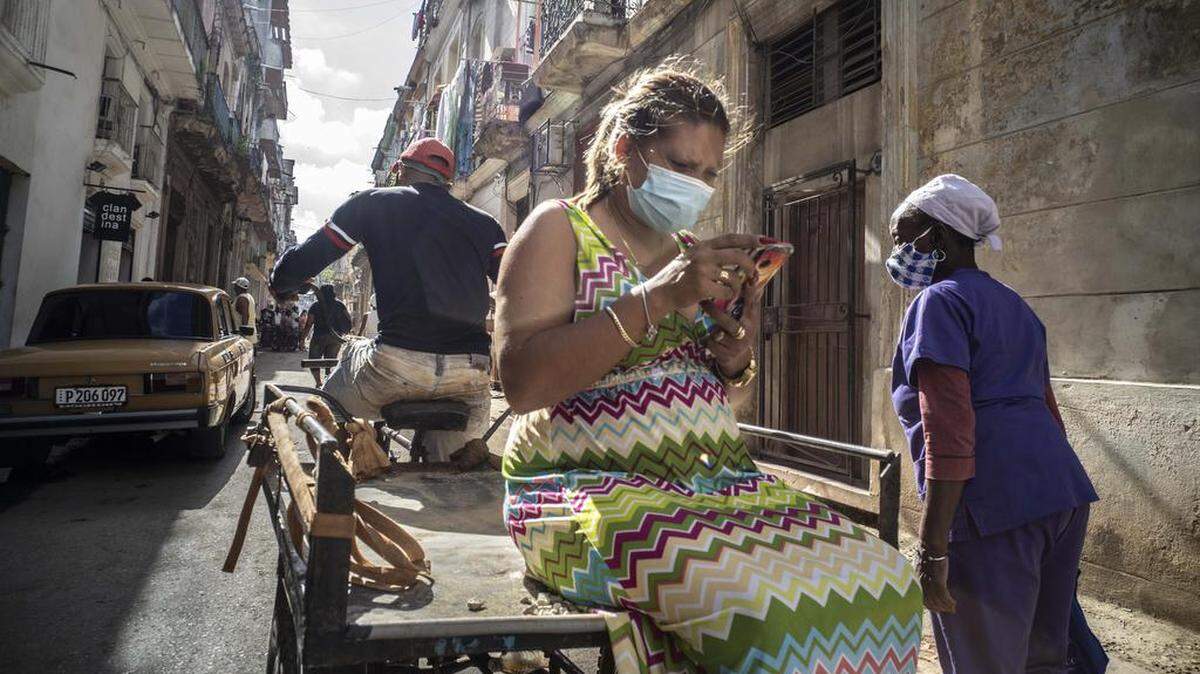
The Cuban government has given a green light to significantly expanding the types of private businesses that can be operated by small, independent entrepreneurs, the state media reported Saturday, a development that comes as the island experiences its worst economic contraction in decades.
Labor and Society Security Minister Marta Elena Feitó said a current list of 127 permitted activities will be expanded to include more than 2,000, the Communist Party newspaper Granma reported. The government said 124 business fields will still be “totally or partially” limited, but no details were provided.
Cuba is going through its most severe economic contraction since the collapse of the Soviet Union. The island nation closed its borders for months last year in an effort to halt contagion during the pandemic, dealing a blow to the tourism sector. The Trump administration rolled back much of former President Barack Obama’s opening, reducing U.S. travel and remittances. According to official figures, the nation’s economy contracted 11% in 2020.
The island has defaulted on its massive foreign debt, drastically reduced imports, and set limits on the number of items that can be purchased in state markets.
Omar Everleny Pérez, an economist on the island, called the move to expand private business positive, though he cautioned more information is needed to know how significant it will be.
“Economists have always said it: If the state can’t give what people need, it should at least allow them to look for it on their own,” he said.
There are currently 600,000 self-employed workers, about 13% of the Cuban workforce, the minister reported, adding that the sector had been “severely impacted” by U.S. sanctions and the pandemic. The newspaper called expanding opportunities for small entrepreneurs part of a plan to “perfect” Cuba’s social and economic model and “spark the productive force of this sector.”
The decision was made during a meeting of the Council of Ministers, which includes the president and other high-ranking leaders.
In the midst of the economic crisis, President Miguel Díaz-Canel has embarked on long-delayed reforms, including eliminating the country’s dual currency, opening more to foreign investment and encouraging exports. Last year, the government reopened stores that sell items in dollars, a move that has fueled angst among some Cubans, who say they deepen inequality between those who do and don’t have access to foreign currency.
The Cuban government has long resisted changes to the state-run economy, though Raúl Castro expanded the number of small businesses during his time in the presidency.
President Joe Biden has signaled he intends to undo at least some of the Trump administration’s Cuba policy, including loosening restrictions on remittances. But analysts believe he’s unlikely to make a complete return to Obama-era engagement. Domestic concerns, the pandemic and pressing issues like migration are widely expected to take precedent over reopening ties with Cuba.
John Kavulich, president of the U.S.-Cuba Trade and Economic Council, said that if the Díaz-Canel administration is seeking to engage the new U.S. president, finishing the currency unification, establishing a consistent floating exchange rate and boosting small businesses could serve as important “carrots.”
“The key is the Biden administration must believe the Díaz-Canel administration is serious about restructuring the economy,” he said. “The only way to show that seriousness is to endure the pains of transformation.”
This story was originally published February 6, 2021 at 2:45 PM.