Cuban TV shows footage of 4 alleged members of ‘Clandestinos’ — says Miami money behind them
Cuba’s state television showed documentary footage of four people arrested as alleged members of the ‘Clandestinos’ dissident group, which is accused of pouring pig’s blood on José Martí sculptures since the start of the year.
The 11-minute segment included statements by two of the alleged group members, Panter Rodríguez Baró, 44, and Yoel Prieto Tamayo, 29, accepting responsibility for the accusations against them. The broadcast also featured images from security cameras showing two men walking near the offices of the state-run Bohemia magazine.
Magazine employees later reported that a bust of Cuban independence hero José Martí, created by Cuban sculptor José Delarra, on the grounds of the property had been vandalized by Clandestinos. No photos of the damages were published.
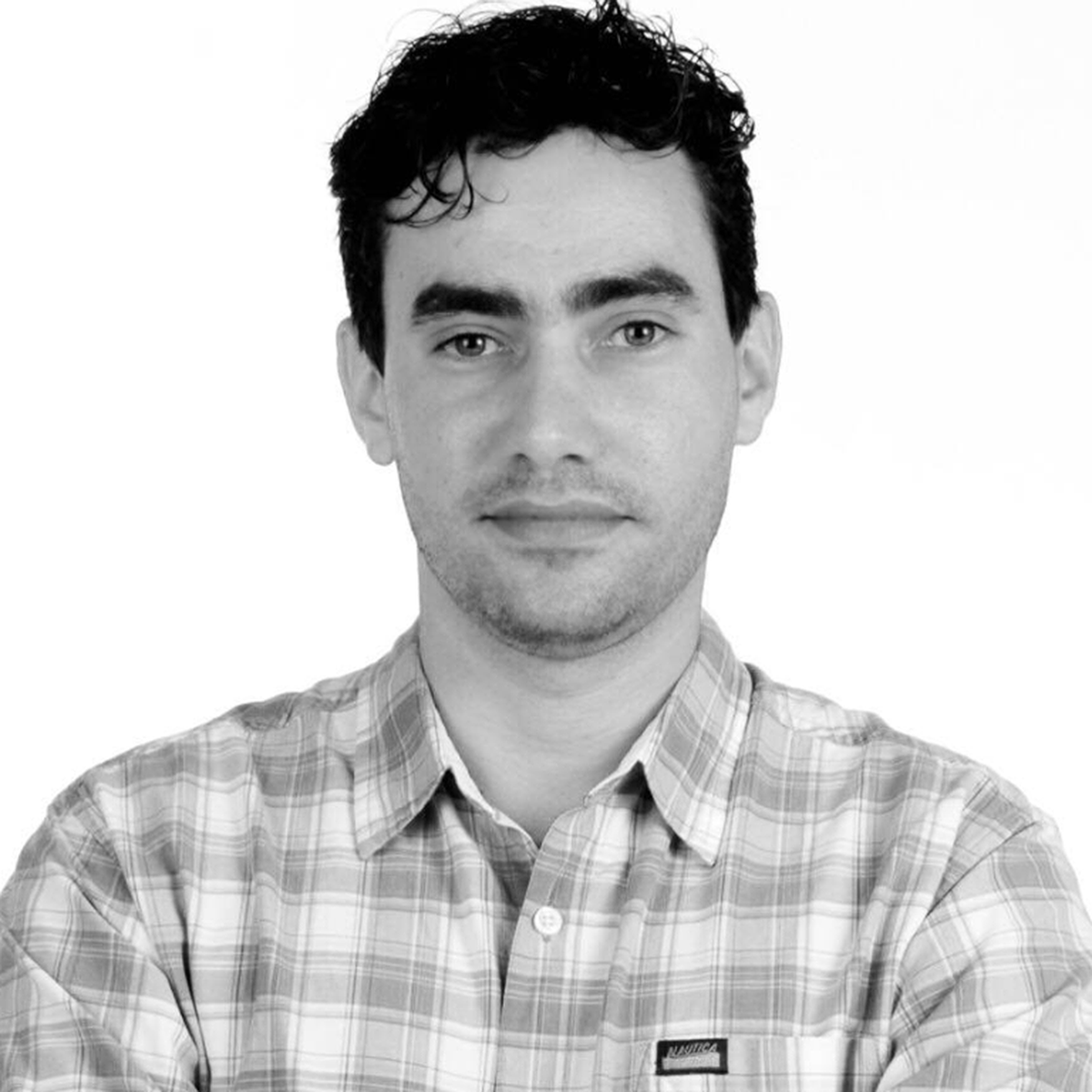
The broadcast also showed images of Guillermo Mendoza, accused of lending his cellphone to record the attacks by Rodríguez and Prieto, and Jorge Ernesto Pérez, a cousin of Rodríguez.
Pérez, according to the broadcast, communicated with Ana Olema Hernández, a Cuban activist in Miami, accused of paying for the attacks. The footage showed what it said were two receipts for remittances via Western Union by Hernández and her husband for $100 each.
Interior Ministry Lt. Col. Francisco Estrada said in the broadcast that the couple had sent more than $1,000 to Cuba to pay for “enemy activities,” including $600 to Rodríguez for throwing pig’s blood on several busts of Martí. The government has claimed Martí as one of its icons.
The report described Hernández as being “at the service of the U.S. government and the anti-Cuban mafia based in Florida.” The Cuban government has branded her a “terrorist.”
Hernández posted a note on her Facebook page saying that it was “impossible” to give any credence to a report “by news media at the service of a dictatorship.”
“We would be proud to support any civic and civil resistance movement in Cuba, but those allegations are false,” she added. “That movement was born spontaneously inside Cuba, and now they want to say that no, that it was fabricated abroad because they don’t want to admit that popular unrest is increasing.”
Hernández said Cuba has “a repressive system” that uses the news media and propaganda “to persecute and harass the Cuban people.”
“That is a state crime,” she said.
The Cuban TV report did not say when the four detained would be put on trial, but referred to the idea of an execution.
“It might be worth considering what do these lackeys merit, if eight students of medicine were unjustly executed (in Havana by Spanish authorities in 1871) for the alleged vandalism of the tomb of a Spanish hero?” the report said. “Lucky for them, the Cuban Revolution is just.”
The government alleges that 11 busts of Martí and three propaganda billboards were vandalized by Rodríguez and Prieto. Officials alleged they also painted “I vote no” graffiti to oppose a vote last year on constitutional reforms.
Interior Ministry Lt. Milagro Cabrera said evidence of the attacks by the two men was found during searches of their homes.
“Containers with pig blood were found. In the case of Citizen Panter, a search of the garage found objects that contained substances later determined to be drugs, specifically cocaine,” Cabrera added.
The broadcast said the three other detainees also use and sell illegal drugs.
The Clandestinos — a name taken from a Cuban movie about the fight against the Fulgencio Batista dictatorship — has given no details that could allow authorities to identify its members. It also uses images from La Casa de Papel, a popular Spanish television serial. A video of a hooded person who claims to be a member was posted on Facebook, but the group only communicates with brief messages.
The official social media page of the Clandestinos said the group does not know any of the four men arrested. And the Clandestinos claimed responsibility for several attacks carried out after the four men were arrested. The arrests were first announced Jan. 8.
The posting on social media said Clandestinos is not a political group, and that pouring pig’s blood on the busts of Martí was meant to signal that “the apostle was bleeding because of what they (the government) have done with him.”
Cuba activists in Miami have been arguing over whether the actions by Clandestinos are a legitimate form of protest, an act of vandalism, or perhaps even a provocation by state security officials in the Interior Ministry to justify repressing dissidents.
The broadcast accused several leaders and members of the Cuban exile community in Miami, including TV personality Alex Otaola, Aldo Roberto Rodríguez Baquero and actor Roberto San Martín, of supporting Clandestinos.
Liu Santiesteban, an activist whose image but not name was included in the broadcast, said the report was “ridiculous.”
“Just because Ana [Olema Hernández] sang a song they now say that she’s part of Clandestinos, and just because [Cuban internet influencer] Otaola talked about it, they link him to the movement. But that’s not right,” Santiesteban said.
Otaola, one of the best-known TV presenters and YouTubers in Miami and Cuba, said it was sad that the government continues “to lie.”
“Like always, it’s a manipulation, a way of blaming others for a disastrous system,” he told el Nuevo Herald. “It is a ridiculous farce, taking advantage of any excuse to create invisible enemies.”
This story was originally published January 23, 2020 at 8:17 PM.