
Colombia heads to elections on Sunday in the shadow of surging rebel violence
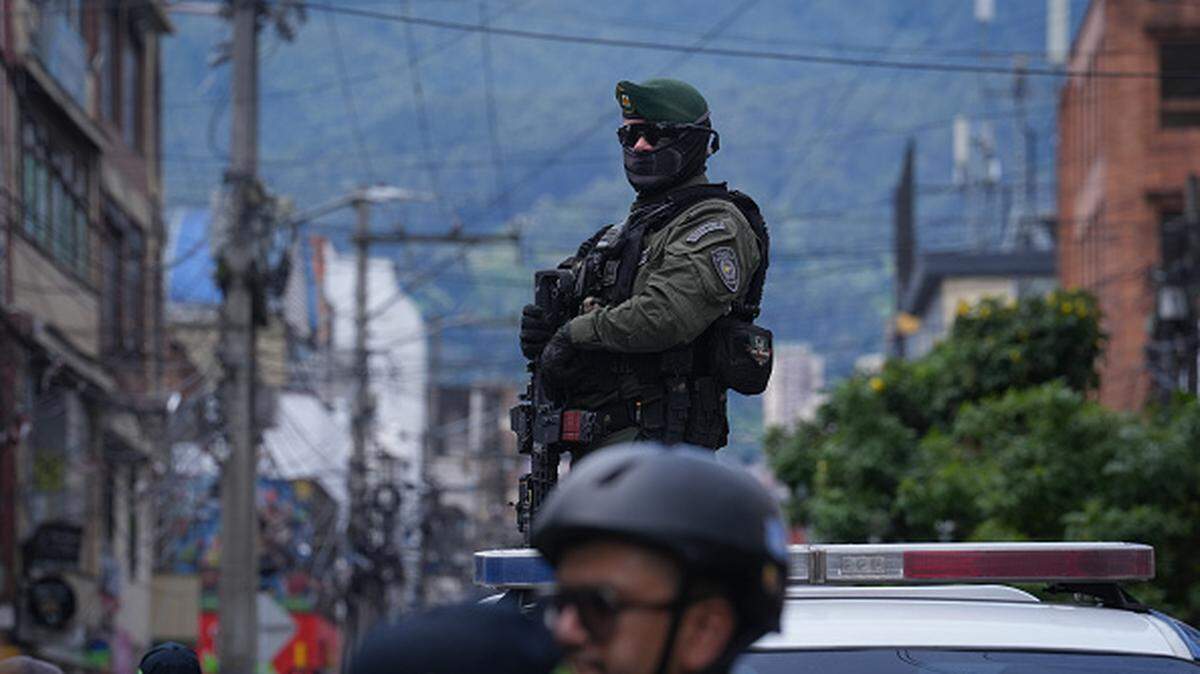
Voters will head to the polls on Sunday to vote in Colombia’s presidential elections against a backdrop of escalating violence that has become a defining fault line in the campaign.
A man who calls himself “The Tiger,” a woman promising to govern with an “iron fist,” and a former academic advocating dialogue over force are among the leading contenders in the race — each offering sharply different responses to the country’s worsening security crisis.
In the past year, attacks including the killing of a journalist, a bus bombing that left at least 21 people dead, and the shooting of presidential candidate Miguel Uribe have underscored rising violence across the country. The use of drones in attacks has become increasingly widespread, while child recruitment has also emerged as a major concern. But while violence itself is a huge challenge, how to stem it is dividing both voters and candidates.
“The elections are taking place in a context of polarization,” Jorge Mantilla, a political scientist focusing on conflict and security, told the Miami Herald. “There are two completely opposite visions, at least on paper, of the security policy the country should have.”
These competing visions split broadly between negotiation with armed groups and a return to a hardline military-led security strategy.
Unfulfilled promises of ‘Total Peace’
President Gustavo Petro came to power in 2022 on a pledge of “Total Peace” — his flagship policy that sought to negotiate with armed groups, betting that dialogue could reduce violence better than military force.
Four years later, after stalled talks, broken ceasefires and continued violence, the policy remains deeply contested. While the government argues it remains unfinished, critics say it has not only failed to deliver measurable security gains but contributed to violence. According to the Ideas for Peace Foundation, a Bogota-based think tank, the number of members of armed groups has more than doubled to an estimated 27,000 since Petro took office in 2022.
These fighters belong to guerrilla groups like the National Liberation Army (ELN) and offshoots of the now-defunct FARC rebels, as well as criminal organizations like the Gaitanist Army of Colombia, also known as the Clan del Golfo.
The territories disputed by the often warring groups have multiplied, while coca cultivation, cocaine trafficking, illegal mining and extortion networks have expanded. The toll on civilians has been devastating: at least 965 people were killed or injured by explosive devices in 2025, while 235,619 were displaced due to conflict, the worst levels of violence in a decade.
“There’s a consensus that Total Peace did not work,” said Mantilla. “But while there is a consensus on that, the debate and the major political divide concerns the reasons it failed.”
Candidates with competing visions
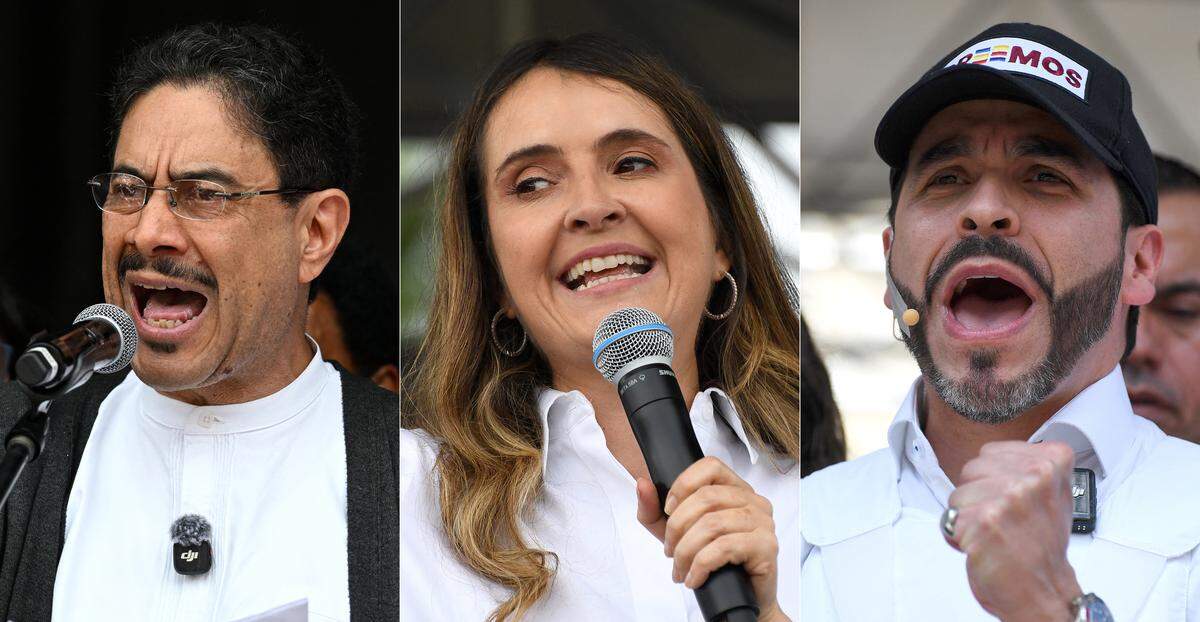
Of the 14 candidates running for president, three have emerged as frontrunners.
While Petro is barred from seeking re-election, Senator Iván Cepeda pledges to continue the president’s leftist agenda, running as the candidate for the ruling Historic Pact party.
Cepeda is not only a supporter of Total Peace, but a key architect of the policy and doesn’t want to abandon it.
“The Colombian left has embraced peace as something essential to its identity. And it has practically said no to everything related to political violence,” Yezid Arteta, a former FARC member who is part of the government peace negotiation teams told the Herald.
He attributes much of the violence since the 2016 peace accord to the fragmentation of armed factions following weak implementation of the agreement. In that context, new and old groups are operating in competition rather than hierarchy, increasingly driven by control over illicit economies rather than ideology.
“All peace processes are long. This is not like drinking a glass of water. Sometimes you advance, sometimes you go backwards,” Arteta said. Cepeda’s adversaries sharply disagree. Abelardo de la Espriella, a lawyer on the hard right, has vowed to restore security through military force, as has Paloma Valencia of the right-wing Democratic Center party.
Both pledge to end negotiations, blaming Petro’s approach for weakening the state and emboldening armed groups.
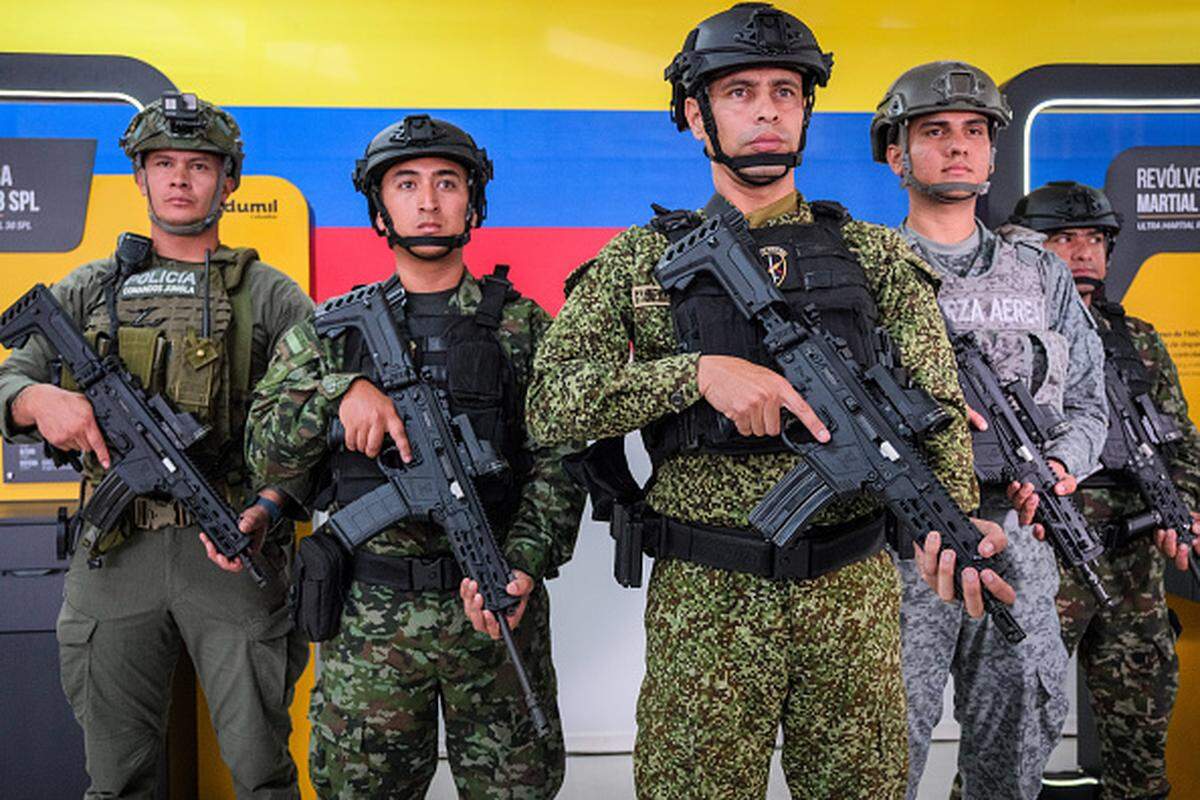
“Total Peace ends with me. Total security will begin,” Valencia told the Reuters news agency last week. She pledges to strengthen the armed forces and increase defense spending in order to rule with an “iron fist” and “hunt down” Colombia’s illegal armed groups “like rats”.
Political strategist Rubén Erazo notes that Valencia’s campaign is anchored in former president Álvaro Uribe Vélez’s political legacy. His presidency is associated with a hardline security agenda and his role in Plan Colombia, a U.S.-backed initiative that provided military and economic assistance to combat armed groups and drug trafficking in the early 2000s.
Valencia has previously suggested she would like to appoint Uribe as defense minister if elected.
But Erazo says Uribe’s influence is in decline: “Uribe today is aging, politically worn down, and increasingly seen as part of the old right.”
De la Espriella has outperformed Valencia in the polls as an anti-establishment candidate.
He promises to enact a sweeping crackdown on armed groups under his “Defenders of the Homeland” movement, as well as proposing large-scale prison expansion, drawing comparisons to the security strategy of El Salvador’s President Nayib Bukele.
“The Colombian right now sees Abelardo as representing the same hardline values, but in a more modern, emotionally effective way,” Erazo said.
Erazo argues that security in the campaign has become less about policy detail and more about political performance. He believes De la Espriella has capitalized on this dynamic, building a campaign that relies heavily on symbolism and emotional appeal.
“The Tiger” – his nickname — and associated memorabilia, he says, functions as a central metaphor for strength and protection.
But De la Espriella borrows elements not just of policy, but political style from abroad.
“He takes things from Argentina’s Javier Milei, for example, like the confrontational attitude toward the media, also very much in the style of Donald Trump,” said Erazo, adding that De la Espriella also draws from Bukele, not just in security policy but even aesthetically.
In doing so, the candidate associates himself with these figures and positions himself as a Trump ally. Analysts say the White House would favor a right-wing candidate, and that a victory for either Valencia or de la Espriella would probably mean a return to closer cooperation with Washington on security policy, after relations deteriorated under Petro. If no candidate wins more than 50 percent of the vote on Sunday, May 31, the two leading contenders will face each other again in a runoff on June 21.
Ultimately, the election has become both a referendum on security policy and on which political vision voters believe can best confront the crisis. Whoever wins will inherit a security landscape that is increasingly splintered and complex — and an electorate as divided as ever.
This story was originally published May 28, 2026 at 11:08 AM.