
From TikTok to the trenches: How Colombia’s history of war bolsters Ukraine’s fight against Russia
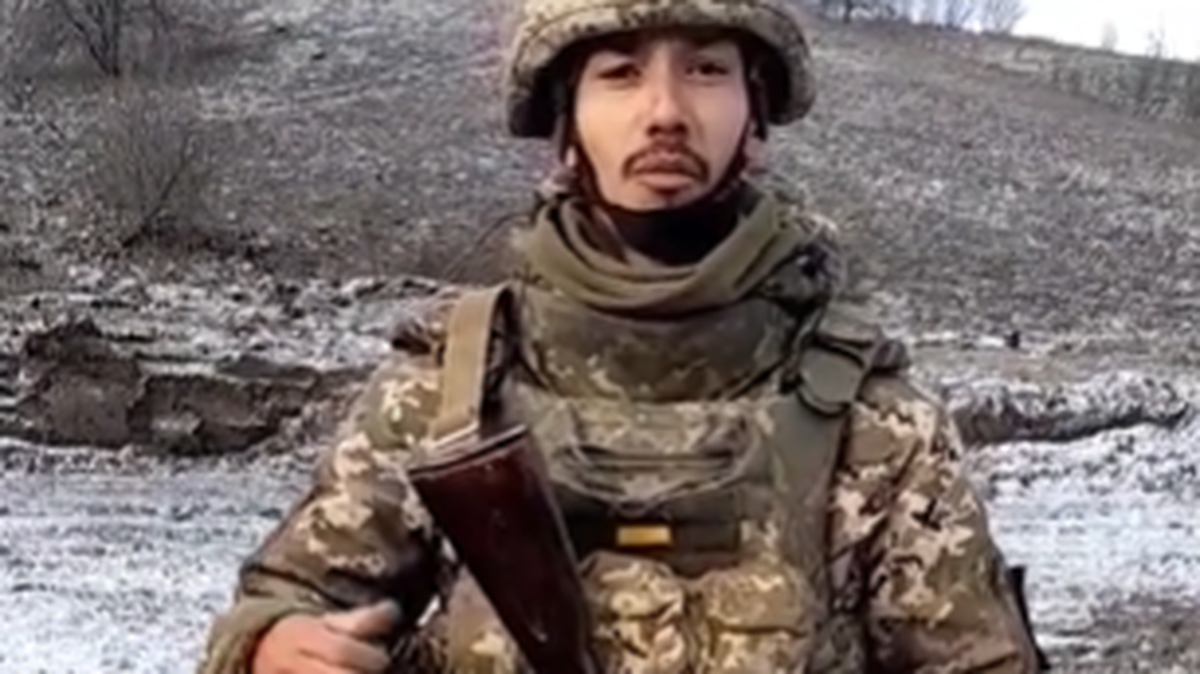
Less than a year after Jhonatan Andrés Martínez Villada left his home in the northern Colombian city of Santa Marta to fight on Ukraine’s front lines, his mother received the call that every parent dreads.
Mérida Villada Ibarra’s son was killed on March 23. She remembers Jhonatan as a “good son and a good friend” who loved his two dogs as if they were his children.
Jhonathan was 29 when he decided to make the 10,000-mile journey to Ukraine in November 2024, seeking to aid the Eastern European country in its defense against Russia’s invasion.
Villada said her son went to Ukraine because “he really liked the military — and also because of financial problems. But above all, to help the people of Ukraine: the women, children, and the elderly.”
Since Russia’s full-scale invasion in February 2022, Ukrainian President Volodymyr Zelenskyy has appealed for foreign fighters to join his country’s International Legion, which supplements the army’s ranks to counter Russia’s incursion. Latin Americans — and particularly Colombians — have responded to Kyiv’s call in droves. According to unofficial estimates from the International Legion for the Defense of Ukraine (ILDU), between 1,500-2,500 Colombians have joined the Ukrainian ranks and 450-550 have died since the war’s outbreak, with the most recent reported death occurring on August 14.
The unlikely force behind this recruitment wave: TikTok.
TikTok videos made by Colombian fighters showing life on the Ukrainian front lines have garnered tens, and in some cases, hundreds of thousands of views. For aspiring recruits back home, these clips have quickly prompted both inspiration and persuasion, portraying Ukraine’s war as a chance to apply their combat skills while earning far more than they would in Colombia.
Villada says Jhonatan was first contacted on TikTok by a Colombian named “Lucas,” who allegedly promised her son 19 million Colombian pesos ($4,730) per month if he went to Ukraine — nearly four times the salary he would make back home in the coastal city of Santa Marta. Despite the incentives presented to Jhonatan, Villada insists her son was only paid $2.5 million pesos ($622) every month.
Jhonatan’s story echoes that of many Colombian fighters, driven by a sense of duty, but shaped principally by economic insecurity that makes enlisting abroad a more viable and lucrative option.
Why Colombians are answering Zelenskyy’s plea
Decades of warfare have left Colombia with one of the largest and most well-trained armies in the world. The country is also the site of the Western Hemisphere’s longest-running internal armed conflict, and constitutionally requires all men between the ages of 18 and 24 to undertake some form of military service. (Colombians with the means can buy their way out of obligatory service).
Dr. Sean McFate, author of “The Modern Mercenary,” said with Ukraine desperate for reinforcements after more than three years since the invasion’s start, Colombians are particularly valued because they are “effectively NATO-standard soldiers for a quarter of the price.” The United States military has trained more than 100,000 Colombian soldiers since 2000.
This is not the first time warring nations have turned to Colombia for manpower. The New York Times in 2015 reported that hundreds of Colombian mercenaries had been sent to Yemen to fight against the Houthi rebels, hired directly — and in secret — by the UAE. And just this past January, NPR also reported that nearly two dozen Colombian mercenaries died fighting in the Sudanese civil war.
Although the Latin American country’s most recent history with armed struggle has provided a somewhat consistent war-torn training ground for fighting in foreign wars, historical precedent also highlights this phenomenon. Colombia was the only UN member in Latin America to officially participate in the Korean War, via the U.S. Army-commanded Colombian Battalion.
While recent reports are textbook exposés of the realities of modern warfare, the recruitment networks’ international facade makes protecting foreign fighters all the more difficult.
International implications of using foreign fighters
By allowing non-Ukrainians to serve, Kyiv runs the risk of these fighters being labeled as mercenaries by Russia, leaving them vulnerable to capture, detention and extradition to Russia.
The Ukrainian government maintains that Colombian volunteers, along with tens of thousands from more than 70 countries, have joined the ILDU as an official extension of the country’s armed forces.
These foreign fighters are not legally classified as mercenaries because they chose to serve of their own will. Mercenaries are defined as soldiers who are contracted by third parties unaffiliated with a nation’s armed forces and motivated primarily by private gain. In contrast, foreign volunteers in Ukraine receive the same pay and benefits as their Ukrainian counterparts, and are protected under the Geneva Convention.
But McFate warns: “International law in Ukraine is a fantasy. [Colombian soldiers in Ukraine] are stupid if they think this technicality will save them if captured by Russian soldiers.”
Reports of Ukrainian foreign fighters taken captive by Russian forces have already surfaced. The Kremlin claims these soldiers are mercenaries — a label that immediately strips them of their combatant rights, protection under international humanitarian law and prisoner-of-war status.
In April, Reuters reported a Russian court sentenced Colombian Miguel Ángel Cárdenas Montilla to nine years in prison, asserting he was supporting Ukraine as a “mercenary.” Cárdenas, who served in Colombia’s national police and arrived in Ukraine to fight in April 2024, surrendered to Russian forces when his unit failed to defend a position in the eastern Ukrainian city of Donetsk.
This precarious position of Colombian soldiers fighting abroad is compounded by a lack of support at home as Bogotá seeks to “shake their reputation as an international exporter of mercenaries,” McFate said.
Mercenarism, Colombian President Gustavo Petro warned on X, “is a form of robbing a nation of its public funds invested in training for the defense of Colombia when they go toward deadly armed conflicts where the Colombian people do not want to be.” His statement came amidst growing concern about Colombians joining the war in Ukraine.
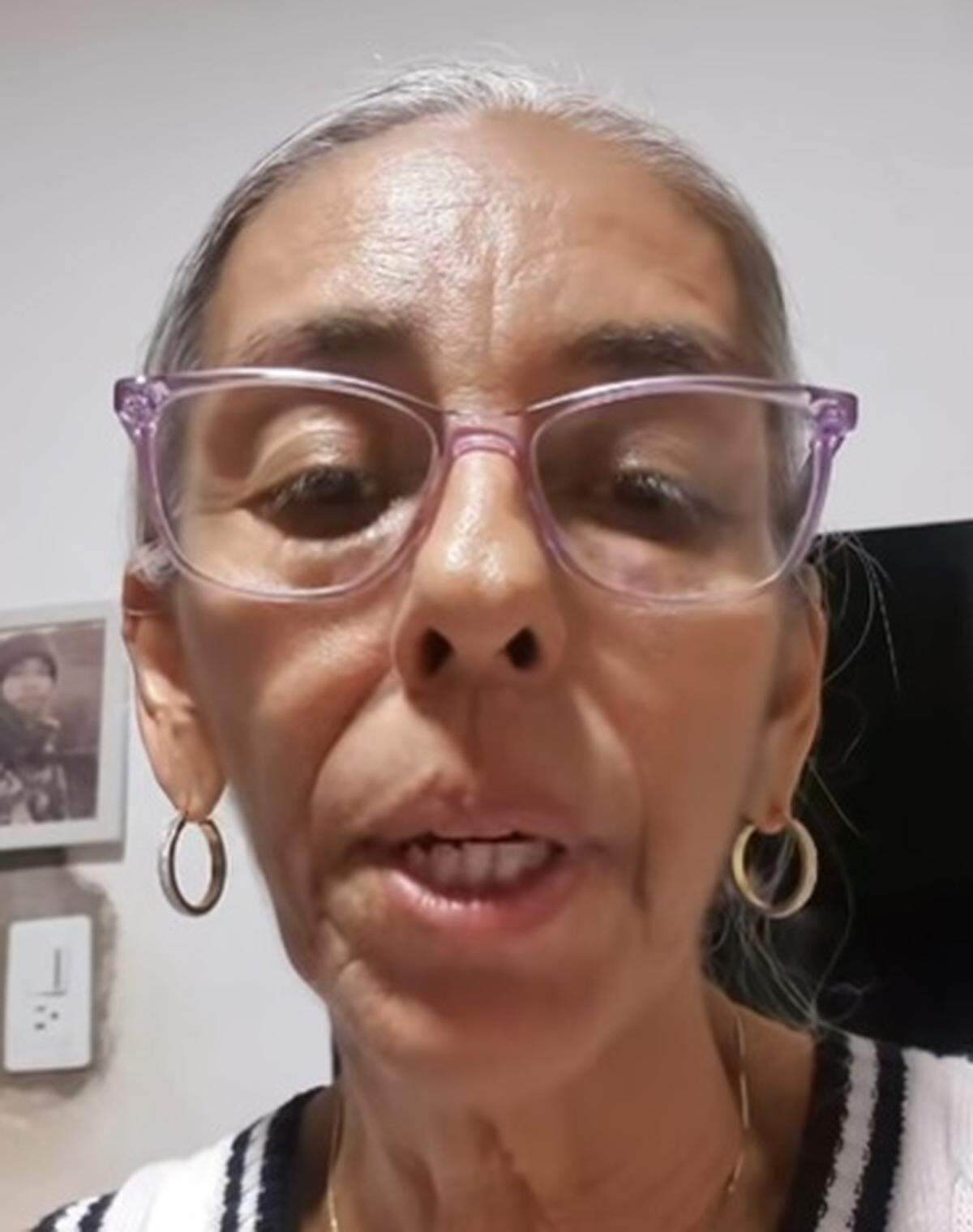
Regardless, Villada claims the government’s inaction has worsened the situation for her grieving family, saying the government “did not do anything for them or for the families of the soldiers who died fighting.”
The brutality of the Ukrainian front line
The challenges facing foreign volunteer fighters on the battlefield extend well beyond their legal label.
“Laz,” an ILDU sergeant who was only authorized to speak under a false name, , emphasizes that TikTok recruitment channels are not reflective of what is awaiting these aspiring soldiers in Ukraine.
After being lured into fighting by social media, prospective foreign volunteers have to fill out an online application before being contacted for an interview. Military or combat experience is not a prerequisite. Villada said Jhonatan, for instance, was not a professional soldier, but rather a conscript who served for only two years in the Colombian military.
“TikTok says, ‘We’ll send you to the front,’ but what people don’t realize is that there’s no background music in the East,” Laz said, highlighting the glorification and dramatization frequently associated with TikTok’s 90-second snippets of life in combat.
“[Colombians] are people who come from violence, have survived war at home, are psychologically comforted by the notion that Christ will save them — and subsequently believe they will be immune [to] Russia’s wrath,” he noted.
McFate adds that the Colombian experience with guerrilla warfare in the jungle — or counterterrorism-style operations in Yemen — lies at odds with “the climate and style of the Ukrainian war, where combat is much more difficult.”
What’s more, many of these soldiers skip the International Legion’s eight-week training and opt to go straight into the brigade, where they receive increased combat pay.
Because military or combat experience is not required, Laz is doing everything he can to encourage recent foreign arrivals — especially those with no prior military experience — to take the ILDU’s training to prepare them for what’s to come in combat.
Villada says she knows many other families that have lost their sons and is sharing her tragedy as a cautionary tale to try to dissuade young, social-media savvy Colombians from putting “their lives on the line for international conflicts that are not their own.”
This story was originally published September 5, 2025 at 11:36 PM.