
Colombia’s truth commission says war on drugs contributed to decades of violence
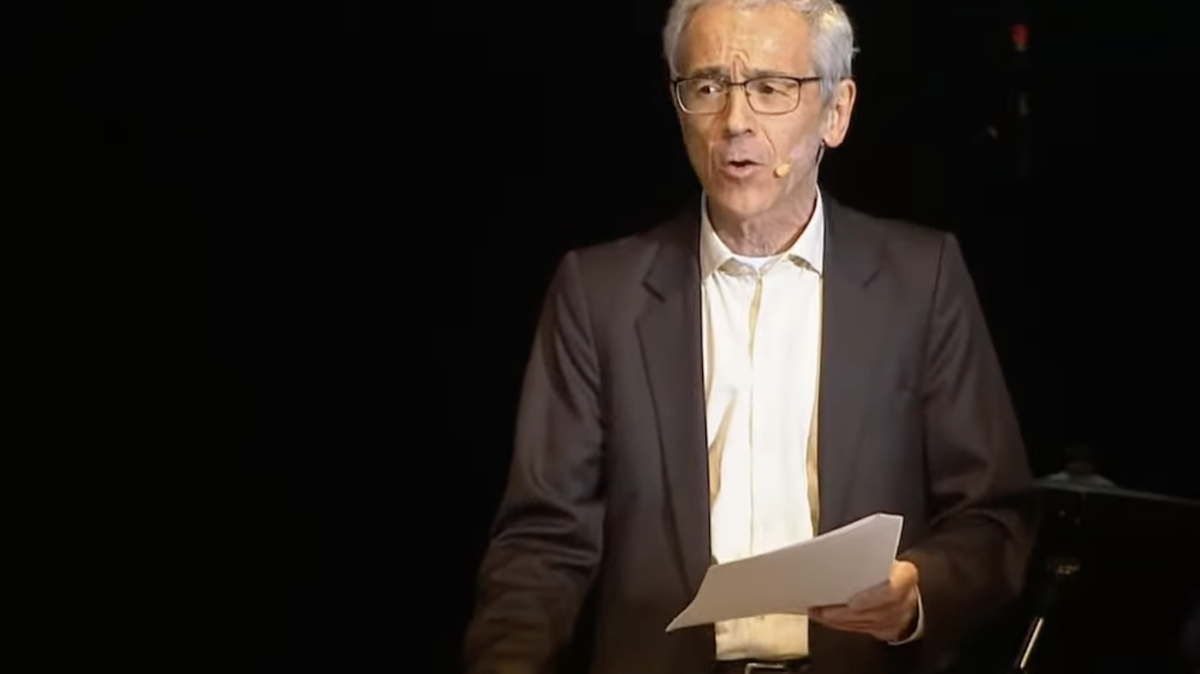
The war on drug trafficking in Colombia was a main factor in prolonging the violence in the country during the decades-long armed conflict with guerrillas, according to the final report by the country’s truth commission, which was established as part of the 2016 peace agreement between the government and the Revolutionary Armed Forces of Colombia.
The commission, made up of academics and representatives of civil society groups, also questioned the current philosophy of the war on cocaine trafficking, calling it a failure because it did not put a stop to narco-trafficking and the efforts to eradicate it have left a large trail of victims.
The Colombia Truth Commission’s final report, titled “There is a future if there is truth,” is the most detailed account yet of the atrocities committed by all sides in the nearly six decades of armed conflict in the country, the longest-running in the hemisphere, which left more than 9 million victims.
The nearly 900-page document of findings and recommendations said that until there is a shift to regulating the drug trade, Colombians will continue to be “witnesses to a permanent recycling of armed conflicts.”
The commission called on the country to review the anti-drug policy that focuses on the prohibition of drugs as well as the United States’ militaristic approach in Colombia to the drug problem, which it said targets the weakest links in the chain, including the coca farmers who in many cases have had no other alternative than to grow coca in order to survive.
The commission pointed out that the strategies of voluntary substitution of coca crops have not been sustainable over time because the government has not put in place widespread reform nor built the access roads farmers need to sell their products.
The report said that as long as cocaine remains illegal, drug trafficking will continue to be a lucrative source of income for armed groups that will continue to fight over control of the business and its territories.
The report also questioned the effectiveness of extraditing major drug-trafficking figures for prosecution in the United States.
“Despite the successive capture of drug traffickers, this has not led to dismantling the business but to other forms of recycling it into new organizational structures,” the report stated.
Colombia is the main producer of cocaine in the world, with a market estimated at as many as 20 million users.
The commission said the country needs to focus on making progress on legalizing and regulating the drug trade.
“The war against drug trafficking is leading nowhere,” said Father Francisco De Roux, the commission’s president, in an interview with W Radio Colombia. “The path needs to be something else. One of the points we find is that Colombia must take a leadership role in regulation.”
The commission’s long-awaited report caps an investigation that began in 2018 and conducted more than 14,000 interviews with victims, military and police officers, former guerrilla members and five former Colombian presidents. The testimonies were collected in Colombia and in 27 other countries.
“How did we dare let this happen and how dare we allow it to continue?” De Roux said during the ceremony for the presentation of the report on June 28 held at the Jorge Eliecer Gaitan Theater in Bogotá.
The full report, which involved three and a half years of work, will be released in installments in the coming weeks. The recommendations of the commission are advisory, not binding, and will require government action to implement.
The report said the guerrilla conflicts left more than 9 million victims, 90 percent of whom were civilians; 450,664 people died, 121,768 went missing, thousands were kidnapped, raped or tortured, and millions were displaced.
Gustavo Petro, who was recently elected president of Colombia, attended the ceremony for the presentation of the report. He said he will study the recommendations, adding that “the approach to the truth cannot be one of revenge.”
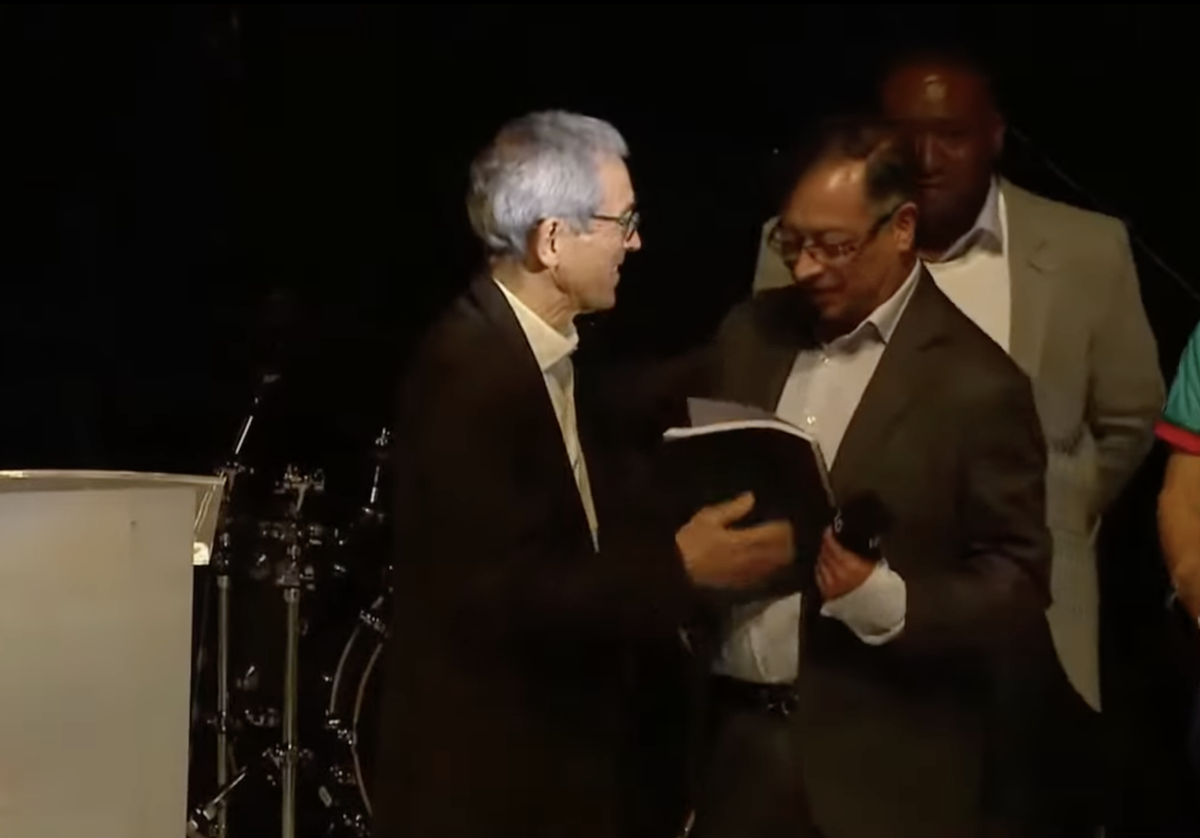
Both Petro, Colombia’s first leftist president, and his vice president, Francia Marquez, have been fierce critics of the war on drugs and have proposed moving towards drug legalization as a way to address the violence.
Any such moves will likely involve the United States, which has been Colombia’s longstanding partner in the fight against drug trafficking. The U.S. has spent more than $10 billion in combating the Colombian drug trade since 1999, according to a 2018 study published by the U.S. Government Accountability Office.
Colombia’s outgoing president, Iván Duque, did not attend the presentation of the report because he was in Portugal attending the United Nations Ocean Conference, but said in an interview with the Spanish news agency EFE in Lisbon that he hoped the report would not be biased.
A Follow-up and Monitoring Committee made of up social leaders, academics and human-rights experts was created to push for implementation of the report’s recommendations for the next seven years.
This story was originally published July 11, 2022 at 12:42 PM.