Prosecutor: Case against powerful ex-Colombia President Álvaro Uribe should be dropped
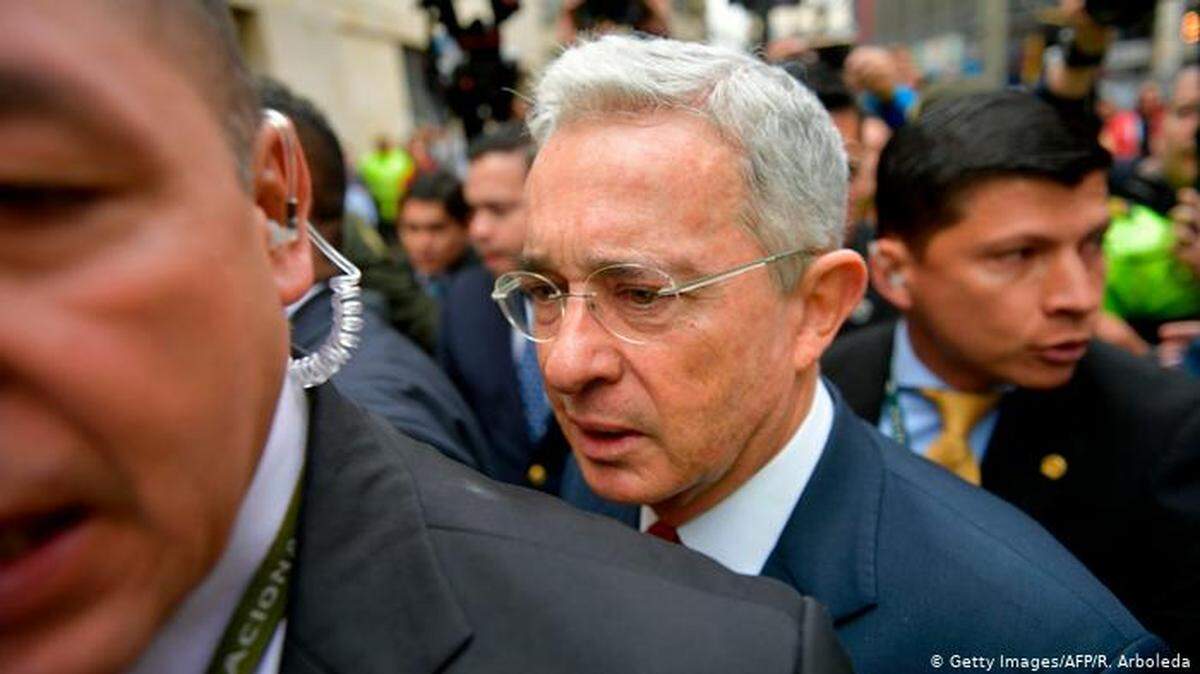
The Colombian Attorney General’s Office announced Friday it will ask a judge to drop the investigation into accusations that former President Álvaro Uribe bribed witnesses to testify on his behalf, stating that the evidence presented did not constitute a crime.
The decision is seen as an important milestone in the controversial case, which has galvanized the country and touches on divisive issues related to the peace process, but observers said the legal battle isn’t over yet.
“There is still a lot to be resolved,” said Colombian political analyst Sergio Guzman. “The reality is that we are more towards the middle in this process. And obviously all this is going to have political ramifications in Colombia, including on the credibility of the judicial system.”
The case stems from a complaint Uribe filed against opposition lawmaker Iván Cepeda in 2012, alleging the senator manipulated witnesses claiming the powerful former president had ties with paramilitary organizations. A Supreme Court magistrate dismissed the case and instead opened an investigation into whether Uribe had tried to influence witnesses through bribes and legal benefits.
The former president’s case touches on long-simmering tensions in Colombia over both the independence of the judiciary and the historic 2016 peace deal to end decades of conflict with the country’s largest rebel group. Uribe’s followers credit him with turning the tide in the nation’s bloody civil conflict, weakening the Revolutionary Armed Forces of Colombia to the point that they opted to negotiate. The deal spares most rebels who confess to their crimes any jail time.
The accord remains a polarizing issue in Colombia, with many of Uribe’s supporters contending it offers ex-rebels too many benefits and that the ex-president is being treated unfairly. Uribe has long been dogged by allegations of ties to paramiltiaries, which he has denied. He has not been charged in the case.
“Thank God for this positive step,” Uribe wrote Friday. “Thanks to so many people for their prayers and solidarity.”
The Attorney General’s Office stated in a press release that Uribe’s conduct and the evidence presented “do not have the character of a crime, and others that are, cannot be attributed to him as the author or as a participant.”
The prosecution will present its conclusions and arguments before the judge handling the case, who must decide then whether to endorse or deny the recommendation. Any decision can be appealed.
Cepeda immediately announced that he would take legal action against the prosecutor who made the decision to drop the Uribe case. He accused Gabriel Ramón Jaimes as serving “de facto, as defense attorney for Álvaro Uribe” and said his conclusions “are a mirror of the arguments of the accused and his defense.”
Colombian lawyer and economist Carlos Julio Manzano said the case has been politicized since its inception, and that regardless of its resolution, it will continue to influence the nation’s political debate in the months to come.
“This is going to be an issue that will be used in the upcoming elections,” he said. “Because the last [elections] have been dominated by the issue of corruption, the paramilitaries and all these circumstances to qualify or disqualify someone.”