‘A horrible noise’: Venezuelans describe moments of terror after series of earthquakes
Juan Arribas was watching the opening minutes of the World Cup match between Brazil and Scotland when everything began to shake inside his Caracas apartment shortly after 6 p.m. on Wednesday. He quickly shouted to his wife and two daughters to run toward him. They didn’t move; they were in shock.
The shaking intensified by the second, he told the Miami Herald. Walls creaked, tiles fell from the walls, glass objects shattered on the floor.
“It was such a violent jolt that we couldn’t even walk; it made you dizzy. There was a horrible noise, like a dragon,” Arribas, 44, said, recounting how he managed to huddle with his family until it was over.
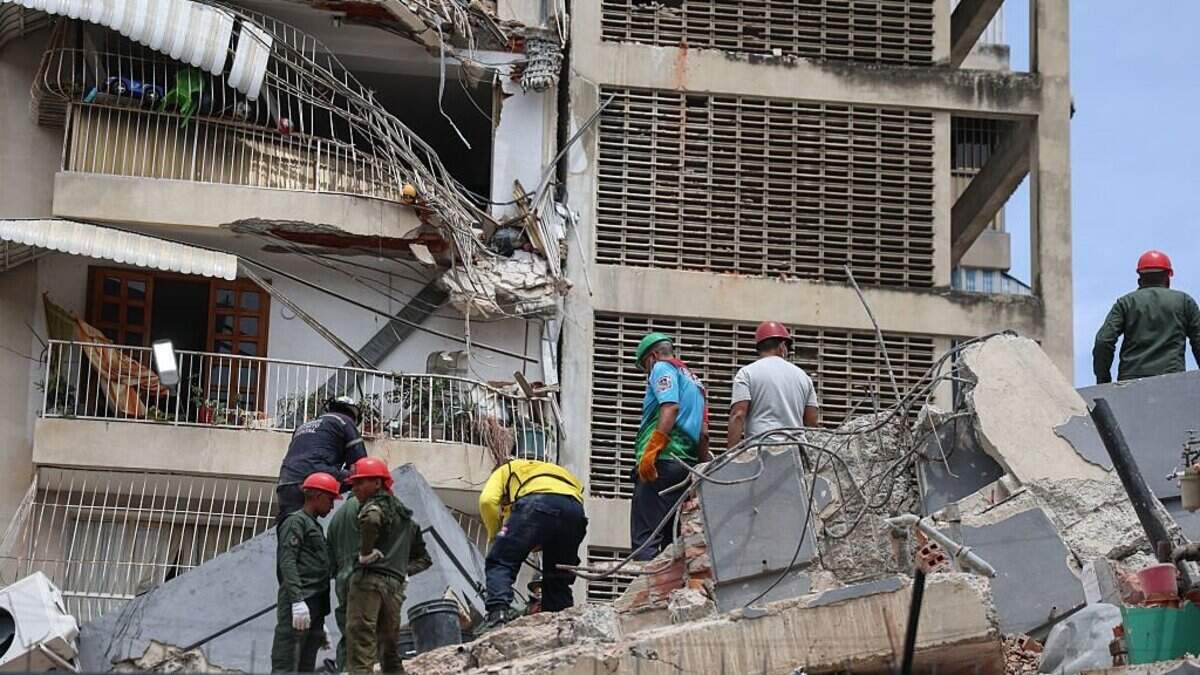
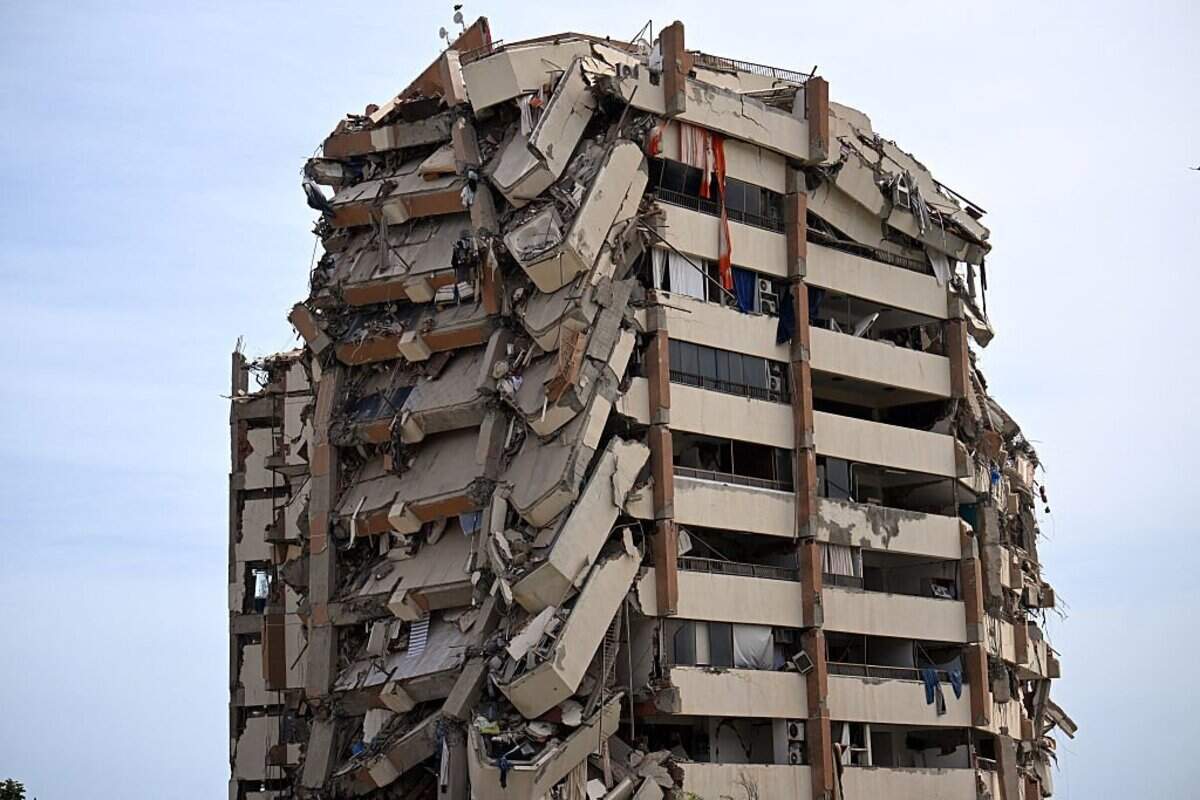
Two consecutive earthquakes—measuring 7.2 and 7.5 on the Richter scale—rocked Venezuela around 6 p.m. Wednesday, causing scenes of chaos and distress in cities like Caracas and neighboring regions such as La Guaira. La Guaira was among the hardest-hit areas—described by interim president Delcy Rodríguez as the site of a “true tragedy”—with multiple residential, institutional, and commercial buildings collapsing.
Jorge Rodríguez, president of Venezuela’s National Assembly and brother of interim President Delcy Rodríguez, said preliminary government assessments indicate that as many as 250 buildings have either collapsed or suffered structural damage nationwide. He warned that the figure could rise as emergency crews gain access to heavily affected areas, particularly in La Guaira, Caracas and neighboring urban centers where search-and-rescue operations remain ongoing.
Many people, like Arribas, were unable to sleep in their homes—some out of caution, others out of fear of the aftershocks that occurred during the early morning hours.
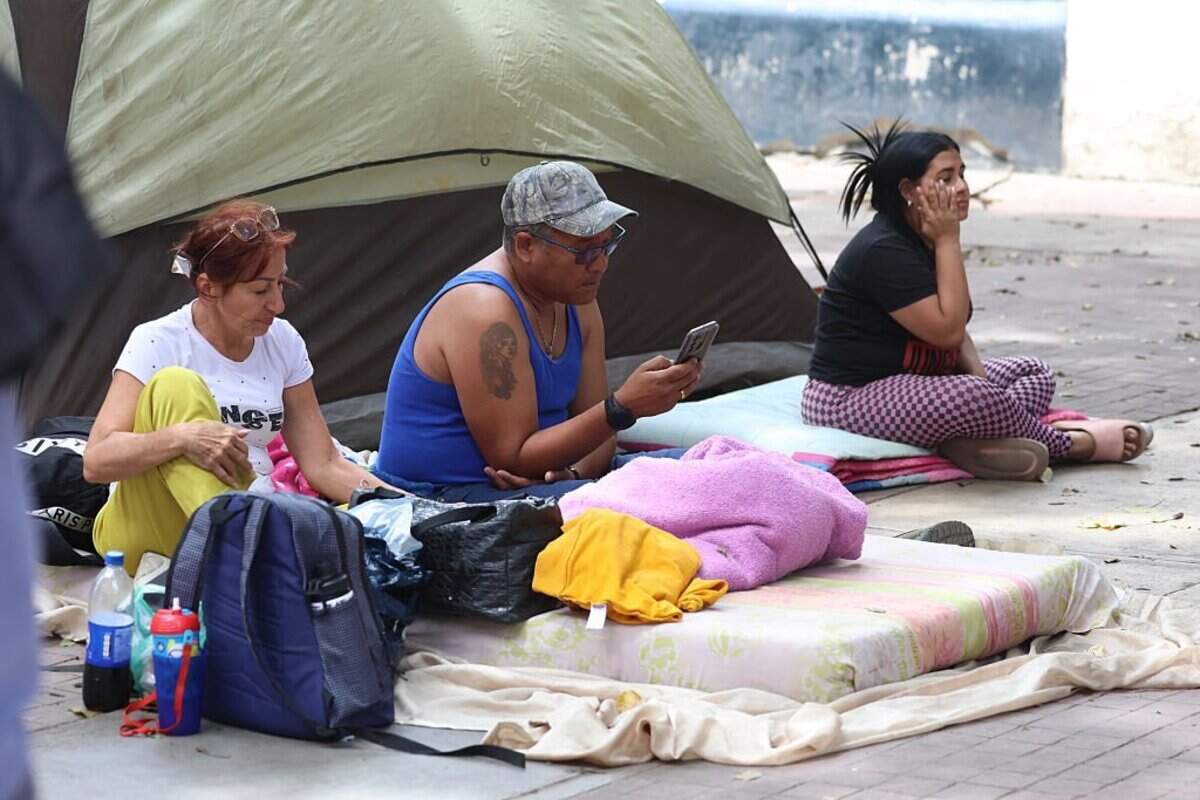
According to reports from Delcy Rodríguez’s interim government, there were at least 20 aftershocks in the center of the country in the four hours following the earthquakes.
For the Arribas family, the hours following the earthquakes were filled with anxiety and solidarity. “I entered the apartment terrified, shut off the gas supply, and started helping elderly residents down who had been stranded upstairs during the tremor,” he said.
At their home in the La Lagunita neighborhood, the ground shook again at 2 a.m. on Thursday. “It wasn’t as strong, but we didn’t want to stay inside.”
Their dog barked all night, and they barely slept amidst communication outages. “Now we are keeping an eye out for acquaintances who might need help,” he added.
Rodríguez’s interim government—which assumed the Venezuelan presidency following a U.S. military offensive that resulted in the arrest and extraction of Nicolás Maduro and his wife, Cilia Flores—declared a State of Emergency in response to the earthquakes. This measure allows the executive branch to take exceptional steps to safeguard lives and the economy, and to ensure access to essential goods and services.
Classes were suspended nationwide, metro and train services were halted, and Simón Bolívar International Airport at Maiquetía was closed due to “severe damage,” according to Rodríguez.
Some people in Caracas and surrounding areas suffered nervous breakdowns following the events of Wednesday afternoon, compounded by warnings that their homes might collapse.
Eduardo Quintana, who experienced the earthquake in Guatire, immediately got into his car and drove at full speed—worried—to his mother’s home in Caracas. He found her alone in her apartment; she was emotionally shaken but physically unharmed. “Thank God we are okay, but this was incredibly strong and intense,” he said.
Roberto, 38, who asked the Herald to withhold his full name for fear of workplace reprisals, had just finished playing soccer with his son on the ground floor of his building in the Guaicai sector of Baruta municipality—in the country’s central region—when he saw the elevator doors shaking and sliding open amidst the violent tremor.
“I picked up my son and ran looking for a place to take cover,” he said. “We could hear people screaming and the crash of objects falling in the street, and he asked me, ‘Daddy, is there an earthquake?’” The man began praying to God for protection, and later, once things had calmed down, he whistled to his wife, who had experienced the quake with their younger daughter on the ninth floor of the building.
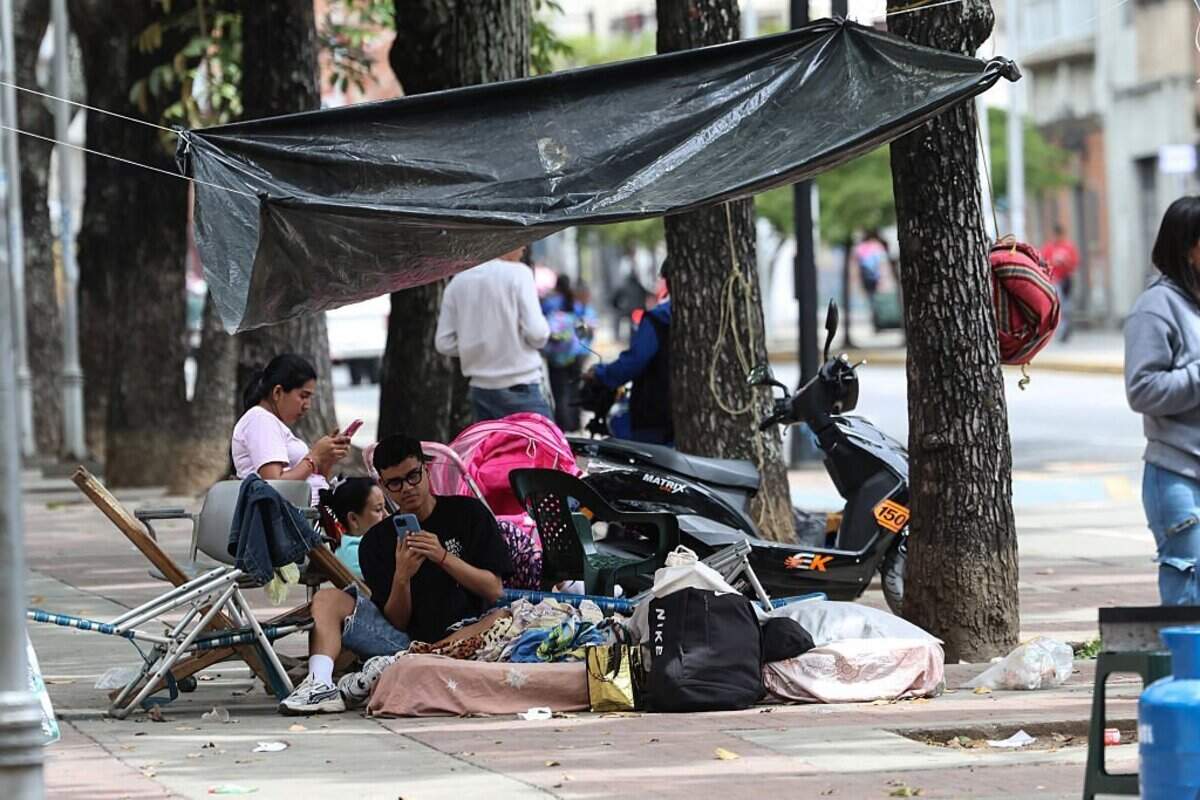
“People were out in the street; many had trembling legs and were crying. The walls of several buildings were damaged,” added the man, who said he felt “super tired” on Thursday due to a lack of sleep caused by the various aftershocks during the early morning hours.
Roberto had not yet been born when the earthquake considered the most significant to hit Caracas—which occurred in 1967, killing over 200 people and injuring around 2,000—took place.
An official toll confirmed on Thursday morning that 188 people had died and nearly 1,000 were injured in the consecutive earthquakes. U.S. President Donald Trump had stated on Wednesday night that the death toll was “devastating.”
Like Roberto, many Venezuelans are receiving or posting messages and pictures of relatives and friends of all ages and genders missing in La Guaira. That region, located about 30 kilometers from Caracas, is already unofficially considered Ground Zero for the disaster that struck at dusk on Wednesday, and specialized search-and-rescue teams from foreign governments and organizations are expected to deploy to the area.
“I have a friend who lives there whom I can’t reach,” Roberto said. “I’m very worried.”
This story was originally published June 25, 2026 at 1:41 PM.