
‘El Tigre’ wins Colombia’s presidential election – but can he deliver?
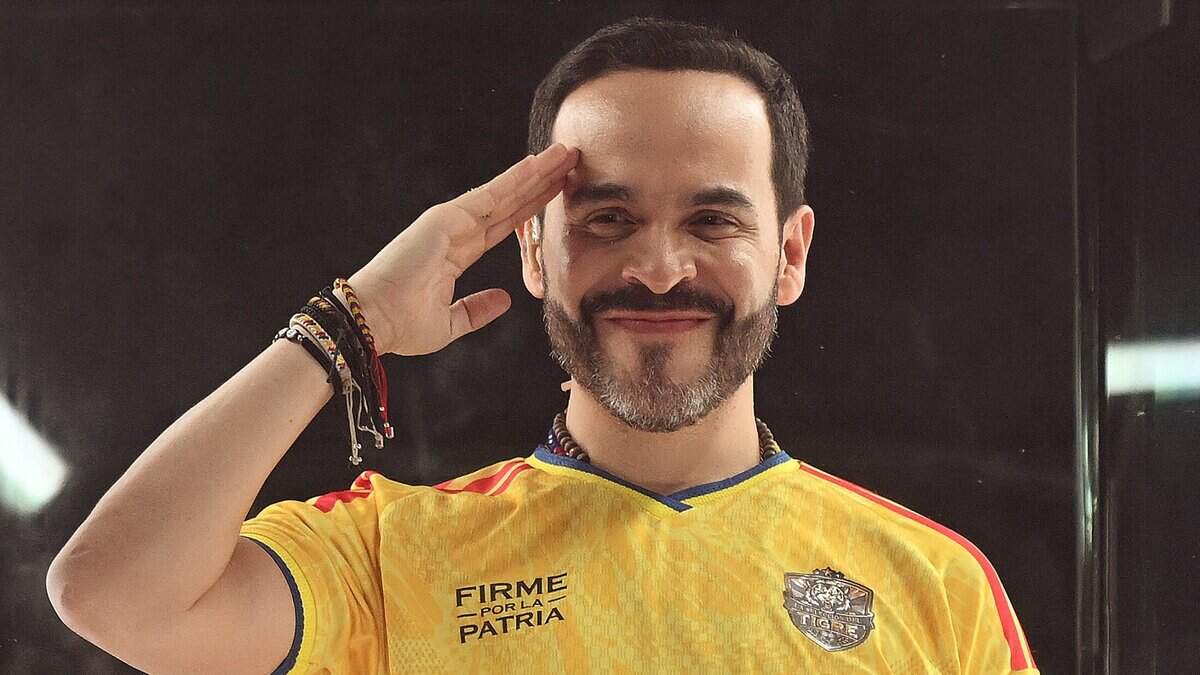
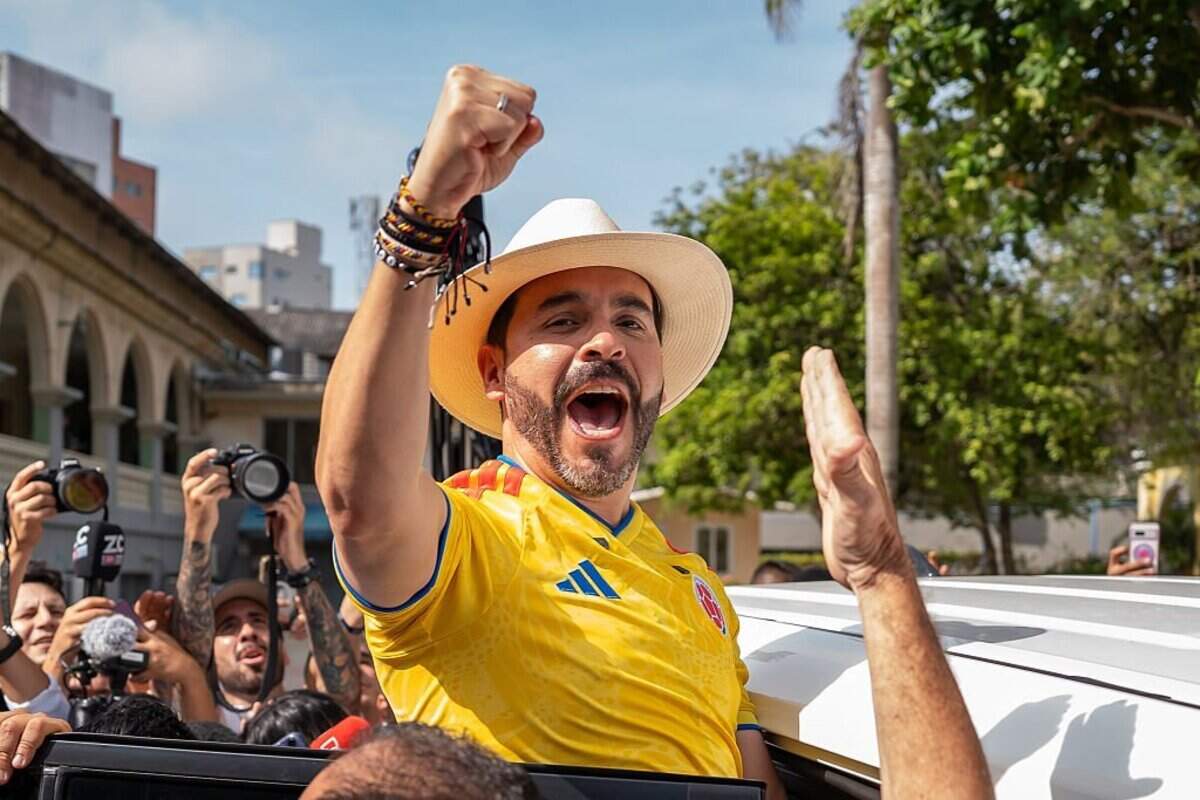
Car horns were still beeping in Bogota on Monday morning in celebration of Abelardo de la Espriella’s win in Colombia’s presidential election.
The right-wing populist’s professionally polished campaign, with social media and AI prowess wrapped around hardline security rhetoric and an unapologetically pro-business agenda, helped him clinch victory in an at times nailbiting count on Sunday.
The eventual result in the preliminary count – results remain subject to official verification – revealed a less than one percent margin between the two candidates. Cepeda got 48.70% but de la Espriella managed to surpass him with 49.66%.

“The country is completely divided down the middle. What each candidate was proposing were completely different models of governance – and very different positions on security and economic issues,” Sandra Borda, an associate professor of political science at Los Andes University in Bogota, told The Miami Herald.
While supporters and Abelardo himself are still celebrating their victory, attention is already shifting to the challenge of turning campaign promises into action when he takes office on Aug. 7.
“The biggest challenge is governability because with a 250,000-vote difference, he doesn’t exactly have a massive amount of political capital,” Borda said.
Many voters wanted continuity with the left-wing government. Petro’s wide-ranging social and labor agenda – including a 23% hike to the minimum wage – had helped some voters, and they wanted Cepeda to win.
But others held a far more negative view of Petro’s administration, rejecting negotiations with armed groups and opposing what they saw as anti-business policies under a government led by a former M-19 guerrilla. De la Espriella’s outsider image – he’s never held public office – and policy agenda promised to change this. But the campaign was much more than just pledges.
“He did not win because of a detailed program. He won through an emotional identity that channelled public frustration,” said political consultant Ruben Erazo, adding this was often directed towards an anti-Petro sentiment.
Through Colombian football team shirts and signature military-style salutes, he channeled the narrative of patriotism, defending the homeland from armed and criminal groups, as well as ‘rescuing’ the country from what many perceived as Petro’s failed governance. He also called himself “El Tigre” or “The Tiger” and used tiger imagery – dancing AI tigers and merchandise like caps and jackets branded with tiger faces – to project strength and authority.

“Moreover, de la Espriella understood before anyone else that this election would be won on people’s phones, not on television sets or in debates. He operated with the logic of a consumer brand,” added Erazo. The challenge now is how to shift that brand to a functioning presidency.
A changing security landscape
The 47-year-old will take office on Aug. 7 inheriting a troubling security landscape: an estimated 27,000 armed combatants, the expansion of illicit economies and the growing influence of armed groups across large swathes of the country.
His security program calls for an end to negotiations with armed groups, the construction of Bukele-style mega-prisons and the creation of a “first line of security” made up of military veterans and reservists.
“A hardline agenda can be politically attractive because it offers clarity and authority, but implementation is much more complex than its formulation,” said Javier Flórez, Director of Conflict and Security, at the Ideas for Peace Foundation (FIP). According to Flórez, Colombia’s security landscape is very different from the one that existed before – and immediately after – the 2016 peace accord.
“The line between armed conflict and organized crime has become increasingly blurred, and this requires thinking about security with greater precision, fewer slogans and a stronger capacity to adapt.”
He says it is not about increasing military operations or arrests or state presence, but developing sophisticated strategies to tackle criminal economies, money laundering and transnational crime, while making better use of technology and cyber intelligence.
De la Espriella has also been an ardent supporter of Donald Trump’s military strikes against suspected drug-smuggling vessels in the Caribbean and Pacific, and is expected to seek closer security ties with Washington. But analysts caution against expecting a return to a “Plan Colombia”-style partnership – a multi-billion dollar bilateral security and anti-narcotics campaign launched in 2000 in Colombia. “Global and U.S. geopolitical priorities have changed significantly, and large-scale unconditional aid is unlikely,” Flórez said.
Boosting the economy
De la Espriella has also promised to kickstart the economy. He has pledged to more than double Colombia’s growth rate to seven percent, cut taxes, reduce the size of the state and increase security spending.
Supporters argue that a more business-friendly environment will unlock investment and job creation.
“Abelardo will create more opportunities for business owners and cattle ranchers, people who can provide work for many others. That will lead to less poverty,” Estella Pinzon, a voter, said at a de la Espriella results event in Bogota. “I am so relieved he won.”
His image as an entrepreneur has generated trust among parts of the business community. But many Cepeda voters are still grappling to understand the disdain towards Colombia’s left.
“There exists a ‘Petrophobia’ that is hard to comprehend,” Paula Cordero, a Cepeda supporter, told The Miami Herald. “Petro brought many reforms to Colombians. Progress is that you have a plate of food every day to eat, that you have the opportunity to access education for free, that you can access healthcare.” Analysts say many of the details of de la Espriella’s overall plan remain unclear.
“His platform was very, very thin – all he promised was to end the peace negotiations with the guerrillas and criminal organizations and increase the military offensive. But we’re still waiting to find out what his vision is for the country during these next four years,” analyst Sandra Borda said.
Borda added that campaigns tend to promise more than the institutional framework will allow them to do.
“There are things he can’t fulfil because he promised things that don’t depend on his decision. For example, he promised he was going to withdraw us from the United Nations and the Organization of American States, and that’s a decision he can’t make without congressional approval.”
De la Espriella’s campaign contained an abundance of messaging and promises. Will he tone down the rhetoric? Erazo believes partially, yes – out of necessity rather than conviction.
“It is a familiar pattern. The combative candidate discovers that governing requires agreements that trench warfare politics cannot provide,” he said.
Erazo believes de la Espriella will probably soften the confrontational tone in order to build governability, but is unlikely to abandon the hard-edged outsider identity that brought him to power. “That remains his political capital.”