How American Friends of Jamaica led relief after island was hit by Hurricane Melissa
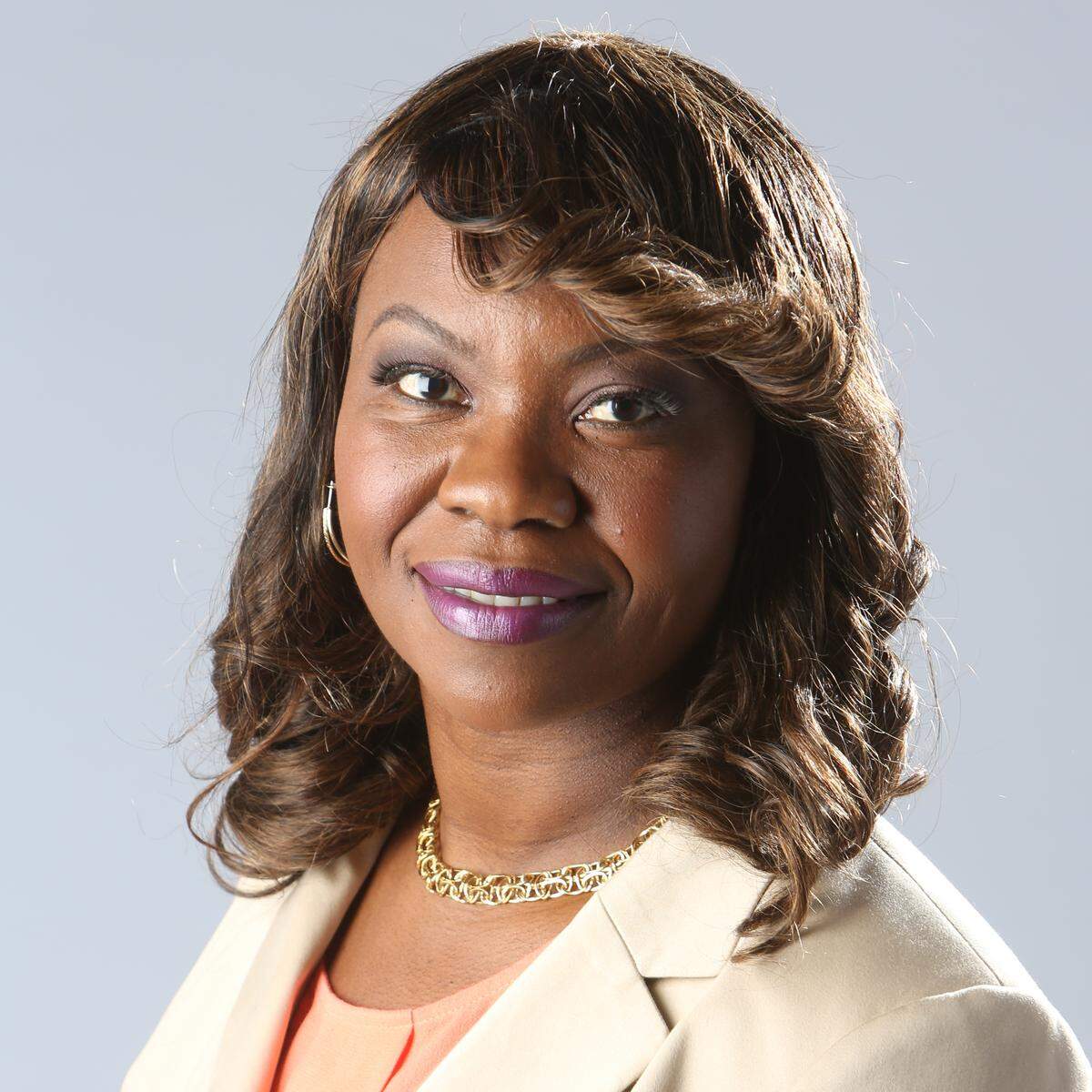
As Hurricane Melissa approached Jamaica last fall, Wendy Hart and her team at the American Friends of Jamaica hoped the storm would change course. It did not. Instead, Melissa became the strongest hurricane ever to strike the Caribbean island.
Although the outcome was devastating, American Friends of Jamaica was ready. The nonprofit, known for raising millions of dollars through its annual South Florida gala, activated its disaster-relief donation platform even before the storm made landfall in western Jamaica.
The response was unprecedented.
“We typically have about $2 million in grants,” said Hart, the organization’s president and a Miami Beach resident. “Just for Hurricane Melissa we’ve raised over $10 million dollars, and we still have some major partners who are contributing.”
Melissa slammed Jamaica after drenching southern Haiti and parts of the Dominican Republic with heavy rains before continuing on to Cuba. Dozens of organizations, including United Nations agencies and private charities, mobilized to provide water containers, sanitation supplies and building materials.
In the weeks after Melissa’s Oct. 28 landfall as a Category 5 hurricane, local businesses in Jamaica also directed people to American Friends of Jamaica in order to donate. Hart said the trust reflects not only the organization’s four decades of work on the island, but also its deep understanding of local communities and needs.
“Our primary work is doing programming work to build and strengthen and communities,” she said. “But when there is a disaster in Jamaica, we always respond.”
The most powerful storm to hit Jamaica, Melissa affected more than 1. 5 million people, devastating farms and entire communities and killing at least 45 people. More than 100,000 structures, including hospitals, schools and homes, were damaged or destroyed while communities were left cut off by downed power lines and trees, and widespread outages of cellphone service.
An early estimate by the World Bank, conducted in coordination with the Inter-American Development Bank, put the physical damage at $8.8 billion, equivalent to 41% of Jamaica’s 2024 gross domestic product, making it the costliest hurricane in the country’s history.
As international aid agencies, religious organizations and U.S. and Jamaican military forces mobilized, American Friends of Jamaica was also moving quickly.
For more than 40 years, the organization has served as a bridge between donors in the United States and charitable groups across Jamaica. Last year’s hurricane put that mission to the test on an unprecedented scale and people and companies responded.
Relying on a network of about 20 partners, Hart said they were able to respond almost immediately to the storm’s effects.
One of their very first grants went to South Florida-based Global Empowerment Mission to help pay for the first relief flights into the country. American Friends also provided support to Food for the Poor and UNICEF for food, water and hygiene supplies.
“We spent a couple million dollars on the relief,” Hart said.
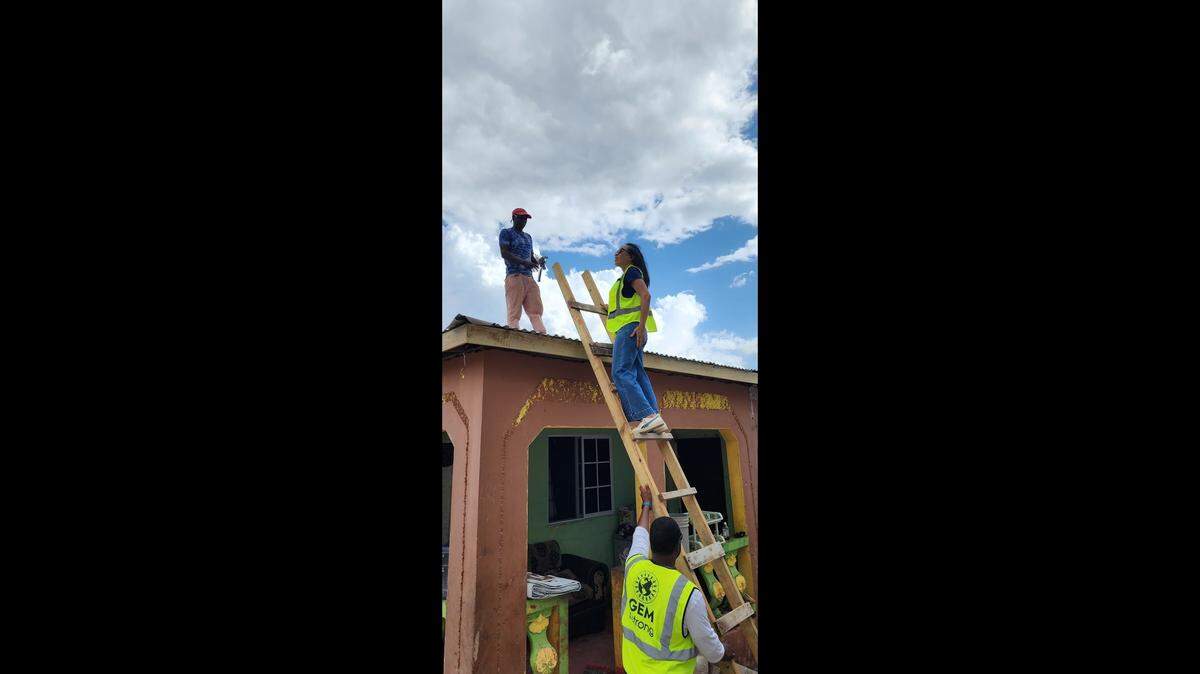
Once roads cleared and the people started to move away from the emergency response toward rebuilding, so did the group’s focus. The organization launched its AFJ Rebuild Program, targeting five communities directly in the path of Melissa’s eye.
“We’re putting a million dollars into each community — re-roofing, agriculture, small farmer grants, supporting healthcare clinics, primary schools and basic schools to get young children back into safe places and our own parents back to work,” Hart said.
One initiative partnered with the Lumber and Hardware Foundation to help farmers recover.
“We were able to give out nearly 1,500 gift cards to farmers,” she added. “One of the great things about doing it with our partner is we could track how they’re doing… There is already 88% usage of the cards by the farmers, buying seeds, farm tools, rebuilding chicken coops. That’s a big one.”
.jpeg "AFJ_069 (1).jpeg")
Among the groups that benefitted from American Friends’ financial contributions were Global Empowerment Mission, Food For The Poor and ARC Manufacturing. Their leaders — Michael Cappoini, Ed Raine and Norman Horne — will be honored on Saturday during the group’s 2026 Jamaica Charity Gala at the Loews Coral Gables Hotel.
Capponi, who launched Global Empowerment Mission after Haiti’s devastating 2010 earthquake, quickly gathered local officials and leaders to coordinate relief from South Florida. In the week after the storm made landfall, the group delivered more than a million pounds of emergency supplies to the hardest-hit south-western parishes.
To date, the organization has shipped four million pounds of food and relief materials to Jamaica through cargo aircraft, shipping containers and cruise vessels.
As president and chief executive of Food For The Poor, Raine has overseen the charity’s response following years of involvement in Jamaica. The group served as lead logistics partner for the government, while also carrying out its own response. According to the charity, it has delivered more than $10 million in aid to Jamaica, including food, hygiene supplies, medical support and building materials distributed through local partners. That has included 214 ocean containers and 21 air shipments of relief supplies to assist 85,014 families across storm-affected communities. Recovery initiatives now focus on community-based programs addressing health care, housing, education and livelihoods.
“What matters most is staying present after the headlines fade,” said Raine. “Families need consistent support as they rebuild, and that is the commitment guiding our work in Jamaica.”
As founder and executive chairman of ARC Manufacturing in Jamaica, Horne also played a key role, helping coordinate sea shipments of food, shelter materials and potable water to Westmoreland and neighboring communities.
Caron Chung, the executive director of AFJ said in honoring the three, they will be celebrating “leadership, resilience, achievement and meaningful impact.”
“We look forward to creating another memorable gala in Miami with our supporters,” she said.
‘Seminal role’
Jamaica’s tourism minister, Edmund Bartlett, credited American Friends of Jamaica with helping mobilize resources during and after the disaster.
“AFJ played a seminal role in mobilizing resources for the reconstruction and in alleviating much of the immediate suffering caused by Melissa,” said Bartlett, who will be attending the gala.
“In the aftermath of course, they have been all over Jamaica,” he added. “The work that they are doing is invaluable in the continued recovery, which is going at a good pace and which means that Jamaica’s resilience is showing. We are excited at the prospects of a very speedy, strong and resilient recovery from Melissa.”
With the rebuilding ongoing Hart said Saturday’s gala is not just about raising funds, but also awareness.
“For me, what is very clear is that support and building capacity on the ground in Jamaica with people who know their communities and have an ability to implement is really critical In a time of need because those organizations can respond quickly,” she said. “They don’t have government bureaucracy and the government sometimes is dealing at a much higher level than every specific community. So for us, those partnerships are really critical for us to be able to do our work.”
The American Friends of Jamaica gala is considered one of South Florida’s premier fundraisers supporting charitable causes in Jamaica. The event features a silent auction, a three-course dinner and live entertainment.
Tickets for the Saturday gala, priced at $550 per person, have sold out. Tickets remain available for the $150 after-party, which will feature Jamaican dancehall artist Busy Signal and DJ Richie D. The after-party starts at 9 p.m. and ends at midnight. Tickets are available theAFJ.org
This story was originally published June 4, 2026 at 6:24 PM.