Brazil, Mexico push back as Trump administration expands campaign against cartels
Brazil and Mexico are mounting increasingly public resistance to the Trump administration’s expanding campaign against organized crime in Latin America, warning that Washington’s latest moves risk crossing from counternarcotics policy into interference in domestic affairs and national sovereignty.
The diplomatic pushback intensified this week as officials in Brasília and Mexico City accused Washington of adopting increasingly aggressive legal and political tools that they fear could justify broader U.S. involvement in their internal security affairs.
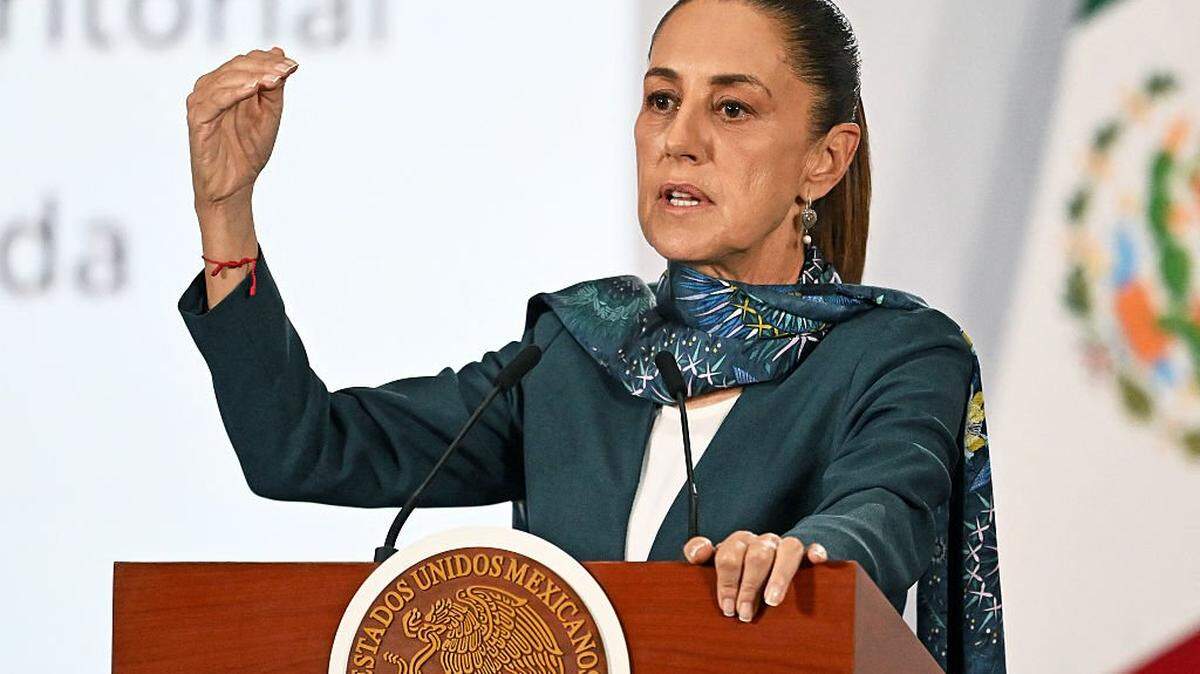
In Mexico, President Claudia Sheinbaum delivered one of the sharpest rebukes yet.
“These are not rhetorical questions: Mexico is nobody’s piñata,” Sheinbaum declared during a nationally televised address Sunday before thousands gathered at Mexico City’s Monumento a la Revolución.
Her comments underscored growing regional unease over the Trump administration’s increasingly expansive definition of cartel warfare and framed Mexico’s dispute with Washington as part of a broader struggle over sovereignty.
The friction escalated after U.S. Secretary of State Marco Rubio announced May 28 that Washington would designate Brazil’s two largest criminal syndicates — the Primeiro Comando da Capital and Comando Vermelho — as Specially Designated Global Terrorists, with formal Foreign Terrorist Organization status expected to take effect June 5.
The move places the Brazilian gangs in the same legal category as groups such as Hamas and Hezbollah and broadens the Trump administration’s regional campaign against drug trafficking organizations.
Washington justified the designations by citing the gangs’ expanding international operations and what Rubio described as “brutal attacks” against officials and civilians, arguing that criminal networks linked to both organizations now extend directly into the United States.
But officials in Brazil and Mexico reacted with alarm, arguing that the administration’s approach risks creating legal and political justifications for unilateral U.S. action.
Lula denounces ‘interference’
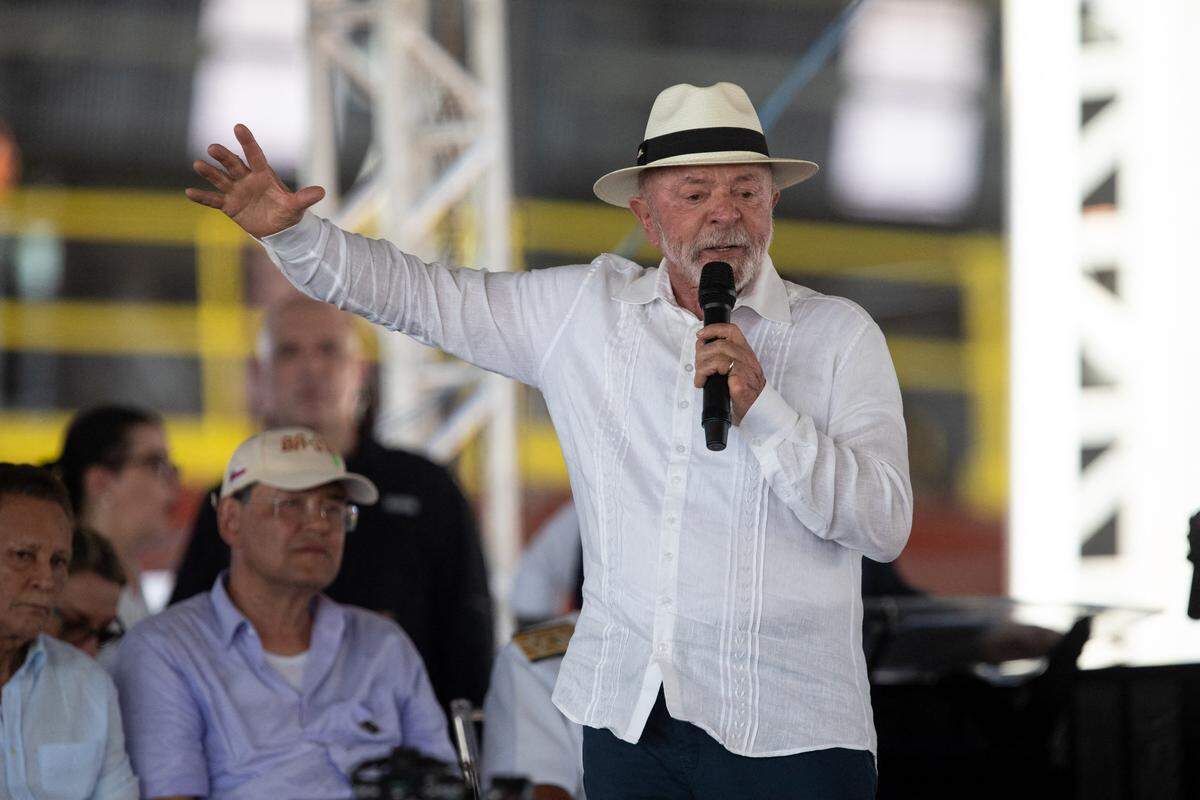
Brazilian President Luiz Inácio Lula da Silva also delivered a strong response to the Trump administration’s campaign.
“We will not accept being treated like children; we will not accept being treated as if we were a banana republic,” Lula said Friday during a public appearance criticizing Rubio’s announcement.
Lula accused Washington of attempting to recast Brazilian public-security problems through a foreign counterterrorism framework.
According to Reuters, Lula referred to “a certain Marco Rubio” who “said that our criminals are terrorists and that Americans can intervene.”
Brazil’s objections are rooted in both legal doctrine and political calculation.
Officials in Brasília argue that both gangs are profit-driven criminal enterprises focused on narcotics trafficking, extortion and arms smuggling, and not ideologically or politically motivated terrorist organizations. Applying terrorism designations to criminal syndicates, Brazilian officials say, conflicts with domestic legal definitions and risks blurring distinctions underpinning international counterterrorism law.
The concern extends beyond semantics.
Lula’s government fears that Foreign Terrorist Organization status could create legal grounds for future unilateral U.S. action — whether financial sanctions, intelligence operations or, in an extreme scenario, military intervention — anxieties sharpened by Washington’s increasingly muscular regional posture following this year’s high-profile capture of Venezuelan strongman Nicolás Maduro.
Brazilian officials also worry about economic fallout.
Because Primeiro Comando da Capital networks have infiltrated parts of the legal economy — including fuel distribution, agribusiness and fintech operations — the designation could expose banks and multinational corporations operating in Brazil to criminal liability if they unknowingly provide what U.S. law defines as material support to designated entities.
The controversy has quickly spilled into Brazil’s October presidential race.
Just days before Rubio’s announcement, conservative Sen. Flávio Bolsonaro, son of former President Jair Bolsonaro, met privately with President Donald Trump and advocated for tougher U.S. pressure against Brazilian criminal networks, including the terrorist designation.
Lula, who is seeking reelection, accused Bolsonaro allies of soliciting foreign interference for domestic political gain.
He charged Sen. Bolsonaro with “betraying our homeland and going to the U.S. to ask for intervention in Brazil.”
Calling Washington’s decision “disappointing,” Lula insisted that his government would continue combating organized crime through Brazilian institutions rather than outside pressure.
Mexico sees sovereignty under pressure
Mexico’s confrontation with Washington has unfolded differently but reflects similar anxieties.
Tensions surged after an April 19 vehicle crash in Chihuahua revealed that two Americans killed in the incident were active CIA operatives allegedly conducting security activities without Mexican government authorization, prompting an investigation into unauthorized U.S. operations on Mexican territory.
The dispute deepened when Washington responded with extradition requests targeting 10 Mexican nationals, including Sinaloa Gov. Rubén Rocha Moya, a member of Sheinbaum’s ruling Morena party.
Sheinbaum defended Rocha and accused Washington of using criminal allegations for political leverage.
During her speech, she framed the standoff as a fundamental question of national authority.
“Who decides in Mexico: foreign agencies or the people?” Sheinbaum asked. “Who decides in Mexico: major economic interests or the people?”
She urged Mexicans to defend national independence and reject foreign pressure.
“We are going to defend Mexico’s sovereignty and independence,” she declared. “The homeland is not for sale; the homeland is loved and defended.”
She also questioned Washington’s motives in escalating extradition demands and security pressure.
“Is this truly a legitimate, genuine interest in helping Mexico?” she asked. “Is this really a legitimate interest in combating organized crime, or are we perhaps seeing sectors of the [U.S] far right using our country to position themselves ahead of their 2026 elections?”
This article was complemented with El Nuevo Herald wire services.
This story was originally published June 1, 2026 at 12:16 PM.