Caribbean DEA chief charged with taking cash for U.S. visas; office temporarily closed
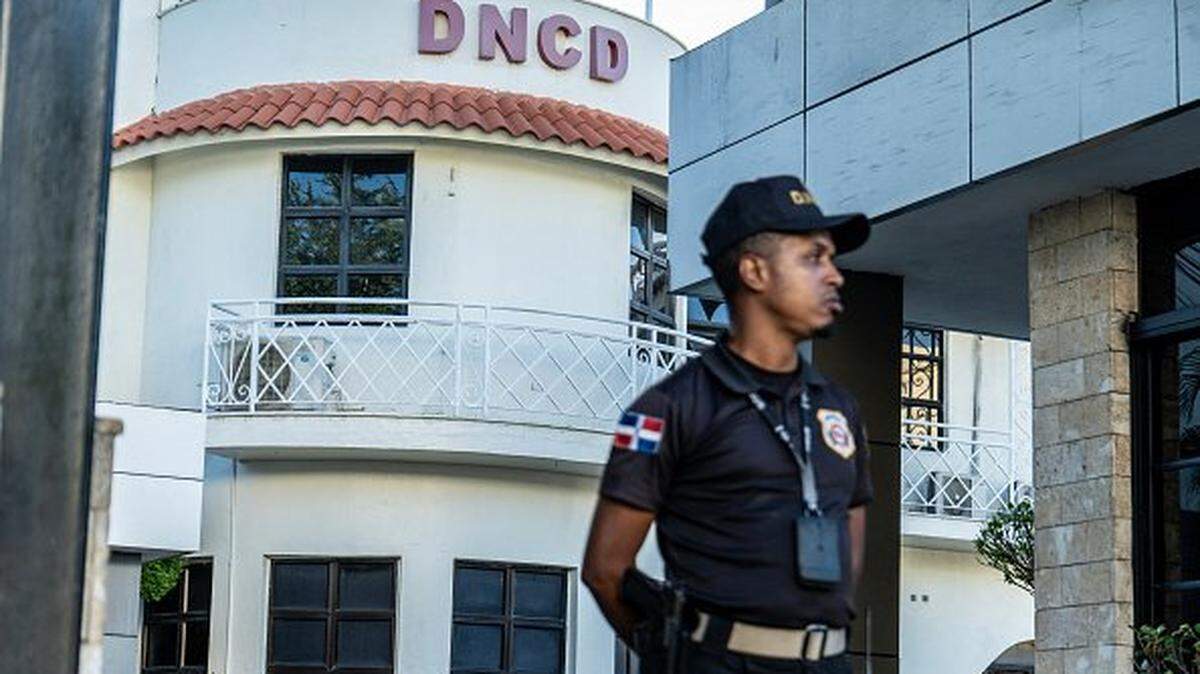
A U.S. Drug and Enforcement Administration supervisor in charge of ani-drug operations in the Caribbean has been charged with accepting thousands of dollars from foreign nationals in exchange for helping them get non-immigrant visas to the United States.
In a complaint unsealed Friday in federal court, Melitón Cordero, 47, was charged in connection with his alleged role in a bribery and visa fraud scheme. According to charging documents, Cordero accepted thousands of dollars in exchange for assisting foreign nationals in securing non-immigrant visas that would allow them to visit the United States temporarily, U.S. Attorney Jeanine Pirro said in a statement.
She didn’t say how much individuals paid. But during his assignment at the U.S. embassy in Santo Domingo, Cordero expedited at least 119 visa applications — at least one of which is alleged to have been fraudulent — often coaching individuals in preparation for their visa interview with U.S. consular officers. A source told the Miami Herald that Cordero is alleged to have charged about $3,000 per visa.
Cordero, who had spent six years working at the U.S. Embassy in the Dominican Republic, was arrested Thursday in Washington D.C.
The incident has led to the temporary closure of the Santo Domingo office, which is one of the Caribbean’s biggest anti-drug operations.
“It is a disgusting and disgraceful violation of public trust to use one’s official capacity for personal gain,” U.S. Ambassador Leah F. Campos wrote on X Thursday as she announced the closure of the DEA office until further notice. “I will not tolerate even the perception of corruption anywhere in the embassy I lead.”
Roberto Alvarez, the foreign minister of the Dominican Republic, said in a post that he was informed by Campos that the closure was due to an internal investigation. It “has categorically no relation whatsoever with the Dominican government or any Dominican official,” he posted on X.
In a statement, the DEA said it holds its personnel to the highest standards of integrity and accountability.
“Any allegation of misconduct or corruption is treated with the utmost seriousness, and we act swiftly to assess the facts and ensure accountability wherever warranted. There is no tolerance within this agency for conduct that tarnishes the badge or erodes the trust placed in us by the American people and our international partners,” the agency said.
The DEA declined to go into the specific allegations but said it is working to address the matter.
The agency’s swift action contrasts with a 2015 bungled U.S. narco-trafficking case that prompted the Justice Department to investigate allegations of wrongdoing by U.S. drug agents in Haiti. Dubbed “the sugar boat,” the scandal involved the Panamanian-flagged ship MV Manzanares that transported as much as 800 kilos of cocaine and 300 kilos of heroin into Port-au-Prince. The incident came to light after two DEA whistleblowers accused the agency of failing to address the allegations involving corruption in its Haiti operations. The Haiti field office was shuttered after the DEA listed it in 2024 among 14 foreign operations targeted for closure, along with offices in The Bahamas and Nicaragua.
In one instance, Cordero met with a foreign national and provided the individual with a passport and visa allowing travel to the United States in exchange for cash, according to charging documents.
Pirro said in her statement said that Cordero betrayed his role as someone “entrusted by the American people to faithfully execute his duties and represent the American government abroad as a leader” within the DEA.
“Instead, he is alleged to have broken the law, squandered this special trust and undercut the President’s immigration priorities. This behavior by any government official is unacceptable and will not be tolerated.”