Billions of dollars being provided to help Jamaica recover from Hurricane Melissa
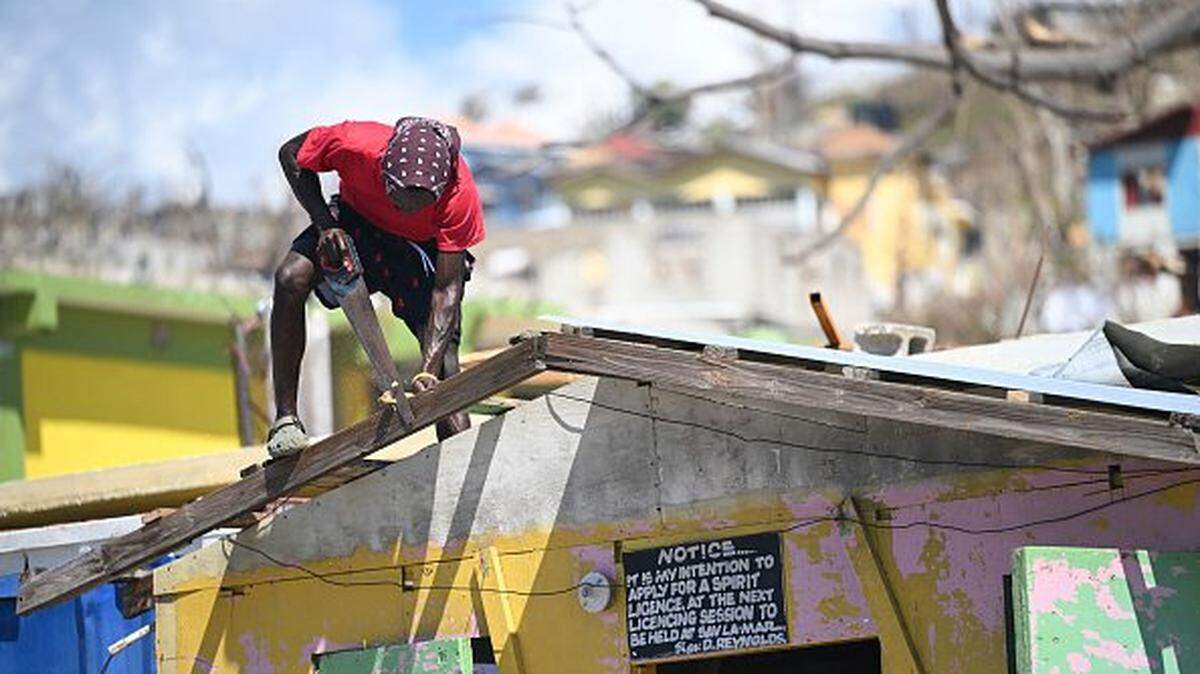
A month after Hurricane Melissa devastated Jamaica and left billions of dollars in damage in its wake, international financial institutions are making up to $6.7 billion available to help the island-nation in its recovery and reconstruction.
The funds, available over three years, are part of a financial support package put together by the Development Bank of Latin America and the Caribbean, the Caribbean Development Bank, the Inter-American Development Bank Group, the International Monetary Fund and the World Bank Group.
“This coordinated effort reflects a unified commitment to help Jamaica pursue a fiscally responsible, long-term recovery through a combination of emergency preparedness financing, sovereign financing, grant support and private sector investments,” the World Bank said in a press release.
Melissa made landfall on Oct. 28 as a Category 5 storm and caused an estimated $8.8 billion in damage, according to a preliminary estimate by the World Bank in coordination with the Inter-American Development Bank. The costliest storm to ever hit the country, the structural damage is equivalent to 41% of Jamaica’s 2024 gross domestic product, they said.
Among the funds the government of Prime Minister Andrew Holness will have made available to it is up to $3.6 billion to finance government programs, including budget support. The IDB and World Bank are also seeking to mobilize about $2.4 billion in private investments.
Jamaica has already managed to tap $662 million in disaster risk insurance funds, which are also part of the financial package, to help in its early response. This includes $91 million from the Caribbean Catastrophe Risk Insurance Facility and $300 million from the IDB’s Contingent Credit Facility.
In addition to damaging crops and homes, the storm left hundreds of thousands without electricity and about 25% of customers from the country’s utility company, the Jamaica Public Service, still do not have power. Last week, Energy Minister Daryl Vaz at a press conference said the government was working with the Jamaica Public Service to address the ongoing power outages. The National Housing Trust also announced plans to deploy 2,500 semi-permanent housing units and offer relief loans and grants to those affected by the hurricane.