Jamaica warns against scammers seeking donations for Hurricane Melissa relief
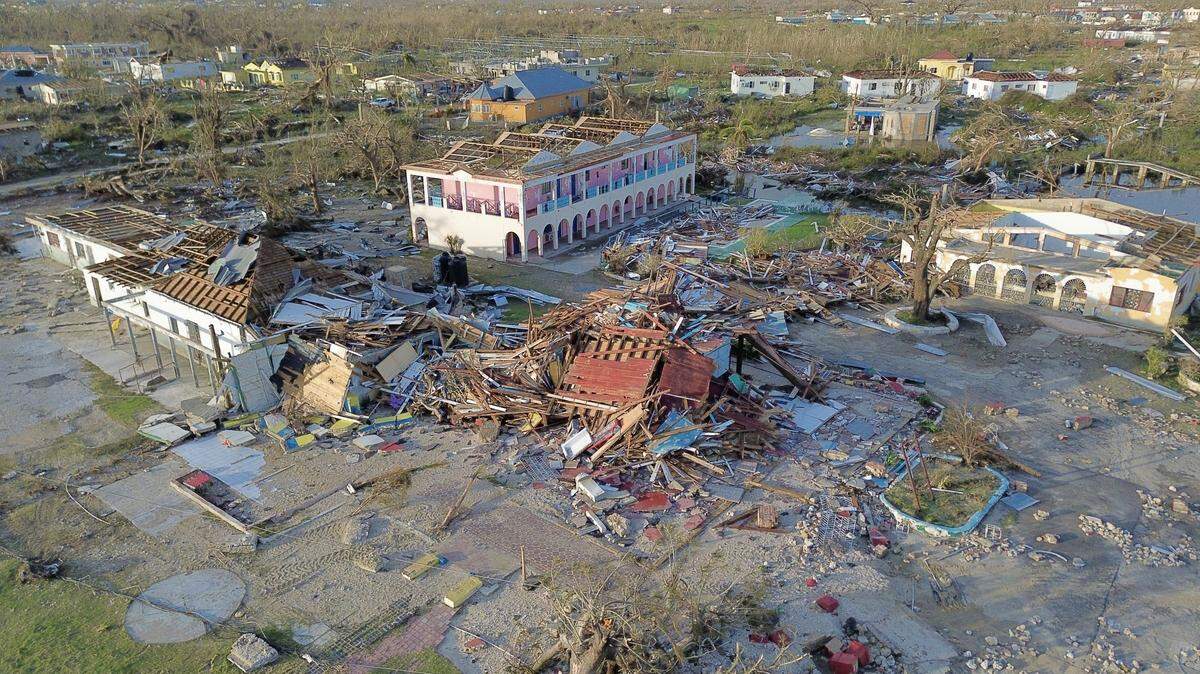
Jamaica is issuing an urgent alert against Hurricane Melissa websites attempting to exploit people’s generosity in the wake of the catastrophic storm that has caused dozens of death across the region.
Andrew Wheatley, minister without portfolio in the prime minister’s office, said the Jamaica Cyber Incident Response Team has identified more than two dozen fraudulent hurricane relief websites attempting to divert contributions and donations from legitimate sources.
The message is also being conveyed by the U.S. State Department, which in announcing that the United States is collaborating with United Nations agencies, nongovernmental organizations and host governments in areas impacted by the hurricane to deliver food, water, medical supplies and other support, including search and rescue, warned that scammers often exploit the chaos and emotions surrounding natural disasters to steal money or personal information.
Common scams the State Department said to look out for: Fraudulent websites or social media pages mimicking legitimate disaster relief organizations; scammers using artificial intelligence to create convincing fake images and videos to solicit donations; and unverified crowdfunding campaigns on social media.
“Donate only to established charities,” the State Department said. Wheatley echoed that, asking donors to verify the organizations before pledging money.
Wheatley said as of Thursday night, the Cyber team had identified 28 websites, up from eight the previous evening.
“These malicious actors are creating fake websites with names deliberately similar to Jamaica’s official donation portal,” he said. “These sites are at varying stages of development, but Jamaica suspects these sites may become active in coming days.”
On Friday, the government said it is continuing to assess the devastation and get to communities that remain cut off by the storm. They also warned against local extortions, with Transport Minister Daryl Vaz saying he’s receiving “disturbing reports about extortion.”
“They are overcharging, in some cases 50 to 100%. I’m sending a warning,” he said. There will be “zero tolerance between the police and the Transport Authority.”
The Jamaican government has launched its own web portal for donations. Still, there are “unscrupulous players,” Wheatley warned. He provided a list of some of the suspicious websites. Many of the same ended in .net or have names “deliberately similar” to that of the government’s official website, which ends in .gov.jm
The only legitimate government website for Hurricane Melissa relief donations is the government’s Support Jamaica website, https://supportjamaica.gov.jm featuring the image of Prime Minister Andrew Holness, he stressed.
“Verify the URL carefully,” said Wheatley. “We ask that persons that wish to donate to type the address directly, do not click links in unsolicited emails or social media messages; look for security indicators, ensure the site shows https://, and look for a padlock icon.
Scammers, he said, create artificial urgencies and therefore individuals should be suspicious of urgent requests.
“We ask that you research any organization. If you are donating through a charity, verify its legitimacy through independent sources,” he said. “What to do if you encounter a suspicious site? Do not enter any personal or financial information. Do not make any payments. Report the site immediately to Jamaica CERT Jamaica.cert@opm.gov.jm and you must also share this warning with friends.”
The government also issued a message to international donors, many of whom in recent days have stepped up fundraising efforts to help the island-nation.
“The government of Jamaica recognizes and deeply appreciates the global outpouring of support for Jamaica during this difficulty. We urge all international donors to exercise caution and use only the official government portal,” he said. “Your generosity should reach those who need it most, not criminal enterprises.”
The State Department also joined in this call, saying that cash donations in such instances work best and that those wishing to donate should do their homework, both on who is splicing the donations and what is needed.
“Local purchases also support economies, ensure culturally appropriate goods, and expedite delivery,” the State Department said. “In contrast, unsolicited donations of household items often clog supply chains, divert resources, and increase logistical costs.”