
Ousted Puerto Rico Gov. Ricardo Rosselló cannot be a statehood shadow delegate, says judge
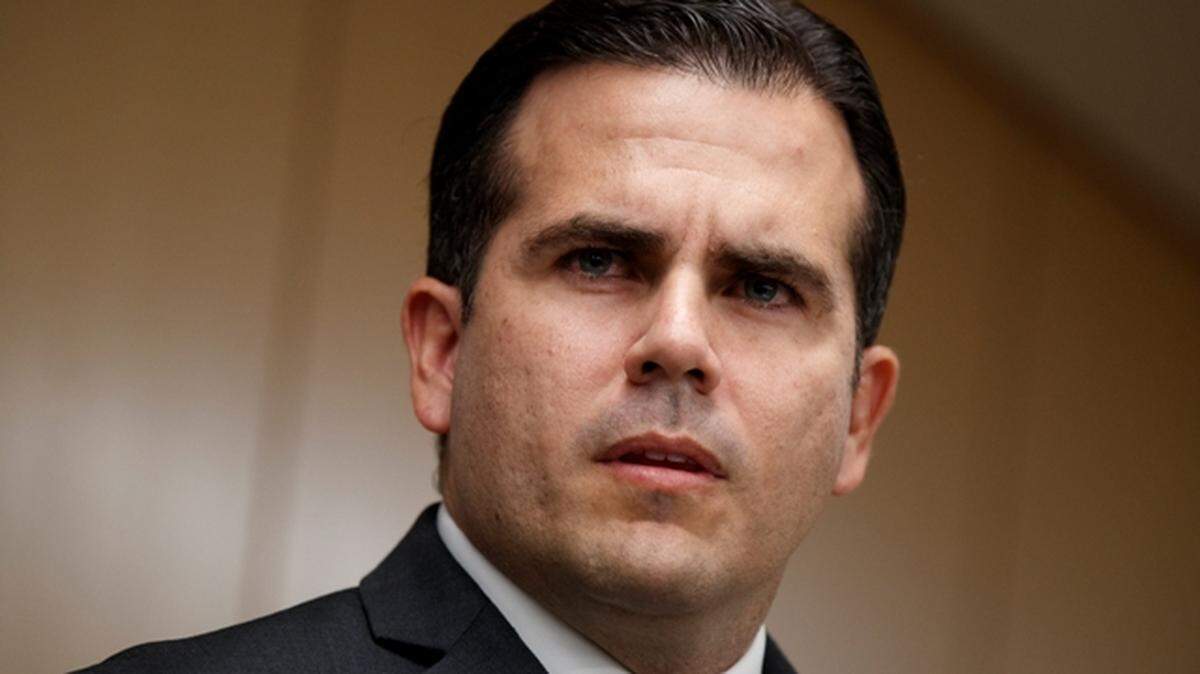
Two months after ousted Puerto Rico Governor Ricardo Rosselló Nevares was elected as a statehood delegate, a judge disqualified him from being certified for the position because he didn’t fulfill the legal requirements to run for the post in the first place.
“Consistent with what has been stated and in harmony with the guidelines of our Supreme Court, which has said that ‘we judges should not be so innocent as to believe statements that no one else would believe,’ we resolve that the defendant, Ricardo Rosselló Nevares, did not comply with the residency or electoral domicile requirements,” wrote Judge Rebecca De León Ríos in her court decision. “As a result, his election was invalid, unofficial, and had no legal consequences.”
In July 2019, a group chat between the former governor and his circle was leaked that contained profanity-laced messages blasting officials, journalists, and artists. There were also sexist and homophobic remarks, as well as jokes about Hurricane Maria, which killed thousands of Puerto Ricans. The scandal led to historic, massive protests on the island, and Roselló resigned weeks later.
Since then, the former governor has largely kept out of the spotlight. But a movement to write him in as a candidate for a special election to elect shadow delegates who will go to the U.S. Congress to lobby for statehood brought back the possibility of public life for Roselló. While the governor did not campaign publicly, he ended up receiving among the most votes out of any candidate in May.
The ousted governor was then sued by conservative Dignity Project Electoral Commissioner Nelson Rosario Rodríguez, who claimed the former governor’s official residency for voting purposes is in Virginia. To be on the ballot, the candidates had to live in Puerto Rico or Washington, D.C. The Electoral Commissioners of other local political parties, including the establishment Popular Democratic Party and Puerto Rico Independence Party, along with the recently founded Citizens’ Victory Movement, supported Rosario’s lawsuit.
Rosselló, backed by the pro-statehood New Progressive Party, argued that he didn’t need to check all the boxes to run for office because he wasn’t officially on the ballot. He also claimed that his residency was in his parents-in-law’s house in San Juan rather than the state of Virginia or the municipality of Guaynabo, where a house the former governor sold in 2017 was registered to vote.
In court, the ousted governor claimed he didn’t know that he was registered both in Puerto Rico and Virginia, where he moved after resigning. However, De León Ríos wrote in her decision that she did not believe this to be true.
“After having listened to the defendant and observed his gestures and non-verbalized behavior, we do not give credit to his alleged unawareness of the double electoral registration,” reads the court order. “As can be seen, the defendant’s actions contradict his evasive, hesitant, and dishonest testimony.”
Many on the island criticized the special election because it used public funds during a pandemic. Critics also say they believe the shadow delegates will not be able to achieve significant policy change on the Hill.
But the political parties that supported Project Dignity’s lawsuit against Rosselló legitimized the special election they were against, said Inter-American University political science professor Reinaldo Otero Santiago.
“If the main argument of the other political parties was that this election was just for New Progressive Party lobbyists, why did they go to court to question Rosselló’s election?,” he told the Miami Herald.
What remains to be seen is how Rosselló’s successor will be chosen, since the legislature is split among several political parties.
The legal procedure that Rosselló is going through has no parallel in Puerto Rico’s history.
The New Progressive Party’ electoral commissioners, Edwin Mundo Ríos and Vanessa Santo Domingo, said the court had failed democracy.
Both described those who agreed with the judge’s decision against the former governor as enemies of statehood supporters. They even said that the decision could eliminate the right to vote by write-in and violates the constitutional rights of Puerto Ricans.
On Twitter, New Progressive Party lawyer Ramon Rosario tweeted he will appeal the court’s decision.
Javier J. Colón Morera, who is a researcher, author and professor of political science in the University of Puerto Rico, hopes the Island’s appellate court and Supreme Court will not overturn De León Río’s decision. He said the decision was supported by law and by evidence.
Generally speaking, Puerto Rico’s appellate court respects judges’ evaluations to determine witnesses’ credibility during legal procedures. Because of that, he doesn’t think De León Ríos’ decision will be overturned.
Staff writer Syra Ortiz-Blanes contributed to this story.
This story was originally published July 2, 2021 at 2:15 PM.