
At U.N., Barbadian athlete credits sports with breaking down barriers
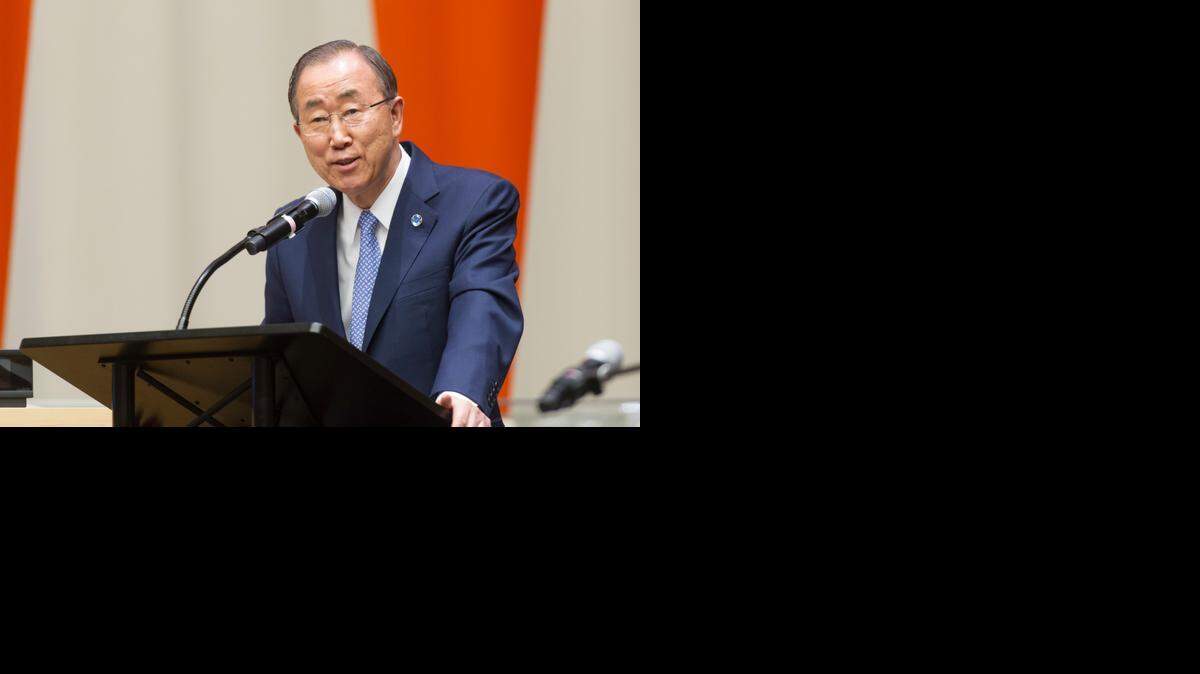
At age six, Barbadian Asha Ferrell signed up for every sporting opportunity in which she was allowed to enroll, without the goal of international glory.
It didn’t matter to Ferrell, 19, that she never medaled or gained fame because, on Wednesday, sports brought her before a gathering of world leaders to discuss how organized athletics can help developing nations reach economic and educational goals set by the United Nations.
“Yes, I stand before you today in agreement that sport has the power to break down racial, social, cultural and educational barriers,” Ferrell said at the U.N. event, which included Secretary-General Ban Ki-moon, General Assembly President Sam Kutesa, the presidents of the Olympic and Paralympic committees, as well as internationally known athletes, Olympians and Paralympians.
“Sports has the ability to educate, employ and liberate our youth and our communities around the world,” said Ferrell, who is a coach for A Ganar, a teen and young adult workforce development program. The sports-focused initiative of the Partners for the Americas is operating in more than a dozen Latin American and Caribbean nations, including Kingston, Jamaica and San Pedro Sula, Honduras.
Leaders this week marked the U.N. International Day of Sport for Development and Peace, first recognized in a 2013 General Assembly resolution, as the global body measured the progress made toward the Millennium Development Goals. Despite significant efforts, most Latin American and Caribbean countries will not achieve the ambitious anti-poverty agenda by the deadline of the end of 2015, according to a U.N. progress report.
Ban said sports as a means for reaching international health and education goals should be part of a post-2015 development agenda currently being hashed out by the U.N.
“I sincerely hope that the member states of the United Nations, while they negotiate to shape the future development agenda, [see] the importance of sport, not only in health, but in peace and harmony, reconciliation, mutual understanding and respect for others, and fair games and rule of law and human rights,” Ban said.
The U.N. working group of Sport for Development and Peace has suggested that school- and community-based sports programs are proven motivators for children to enroll and attend school. Sports improve their academic achievement and build skills that increase their employability, the group said.
But with the adoption of the post-2015 agenda just five months away, sports has not yet made it into the 17-point plan being negotiated, said David Donoghue, Ireland’s U.N. representative and co-facilitator of the negotiations.
Even with Thomas Bach and Philip Craven, the presidents of the International Olympic and Paralympic committees, respectively, and American tennis icon Billie Jean King advocating for sports in the development agenda, the case is made best at the ground level, Ferrell said.
“The true beauty of sport for development and peace lies in its grassroots movement,” she said. “The once-hidden agenda of sports is now used as a facilitative tool for valuable life skills [and for] developing future leaders.”
This story was originally published April 15, 2015 at 7:58 PM.