National

Walls of water 30 feet high churned up by Hurricane Erin. See NOAA buoy photos
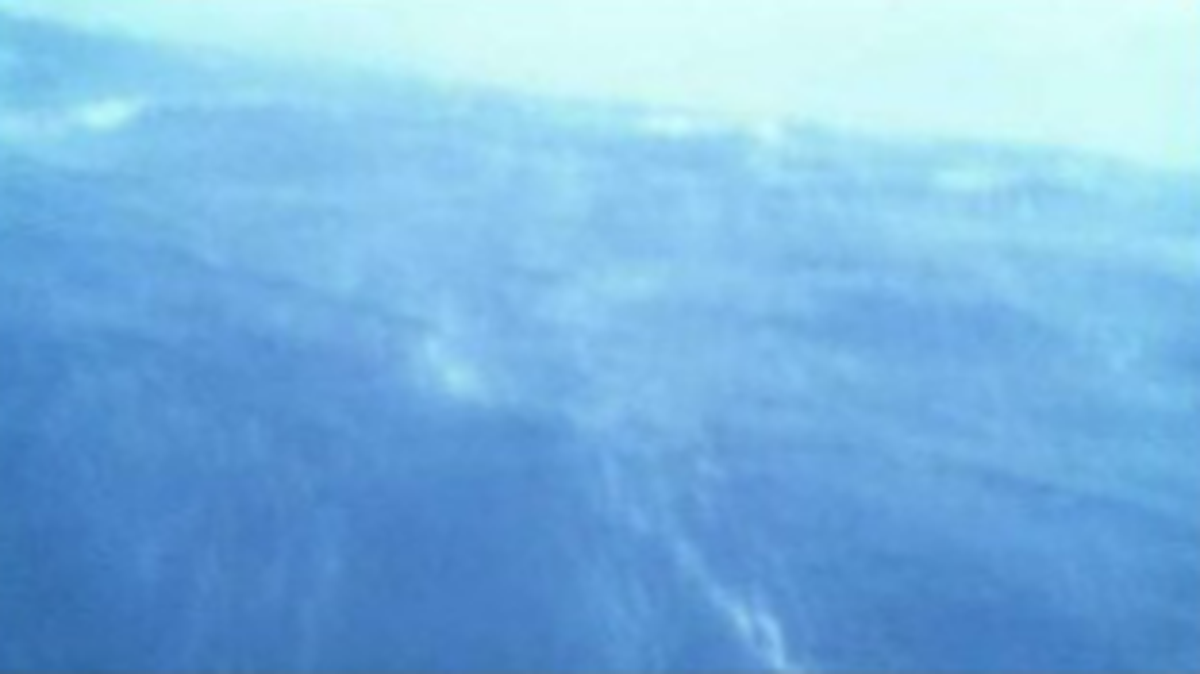
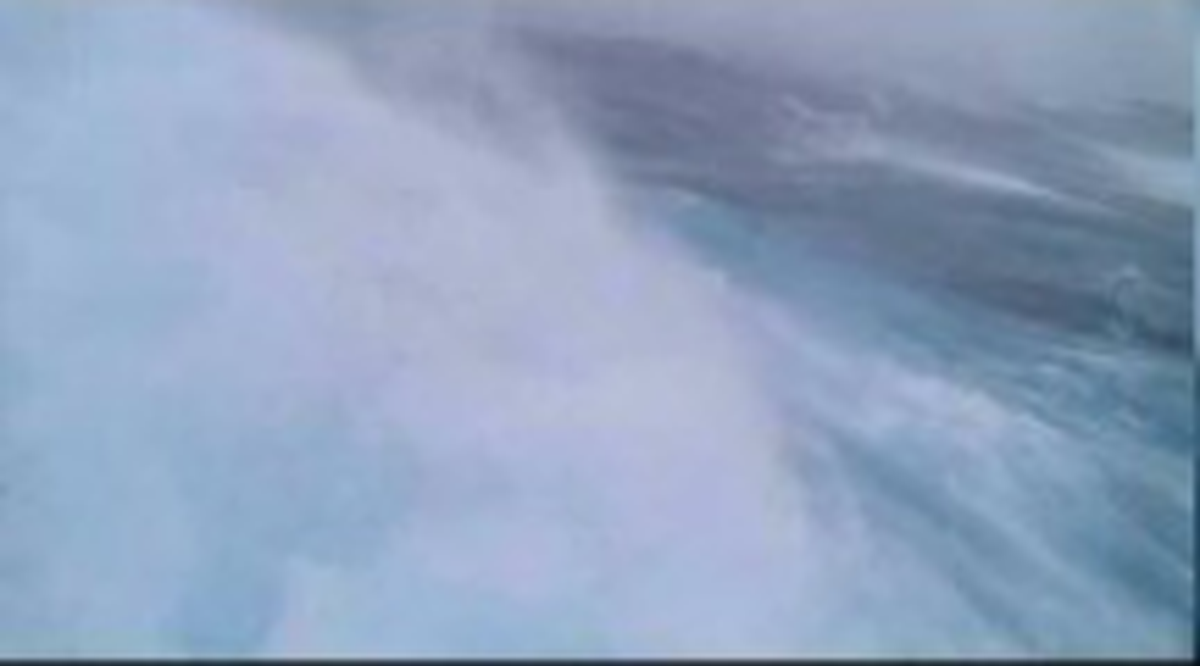
This wave image was recorded Aug. 19, about 350 nautical miles, east-northeast of Nassau in the Bahamas, NOAA says.
This wave image was recorded Aug. 19, about 350 nautical miles, east-northeast of Nassau in the Bahamas, NOAA says. National Oceanic and Atmospheric Administration photo

Stomach-churning images taken from weather buoys in the Atlantic Ocean show Category 2 Hurricane Erin is creating walls of water in the open ocean as it spins along the East Coast.

Thirty-foot waves have been reported by NOAA buoys 60 miles from the eye of the storm, which is equivalent to a three-story building racing across the ocean.

The waves are being driven by sustained winds of 110 mph, with even higher gusts, the National Oceanic and Atmospheric Administration reported on Aug. 20.

Multiple parts of North Carolina’s Outer Banks have been evacuated as the storm nears the fragile barrier islands, due to predictions of “life-threatening inundation, from rising water moving inland from the coastline.”

The eye will not make landfall in the U.S., but the U.S. Geological Survey predicts“water levels could be 10 feet (3 meters) above Mean Sea Level” in Outer Banks areas like Pea Island National Wildlife Refuge, according to an Aug. 18 news release.

“Erin is a large hurricane. Hurricane-force winds extend outward up to 90 miles (150 km) from the center and tropical-storm-force winds extend outward up to 265 miles (425 km),” NOAA reported at 11:30 a.m. Aug. 20.

The storm was moving north/northwest at around 13 mph, NOAA says.
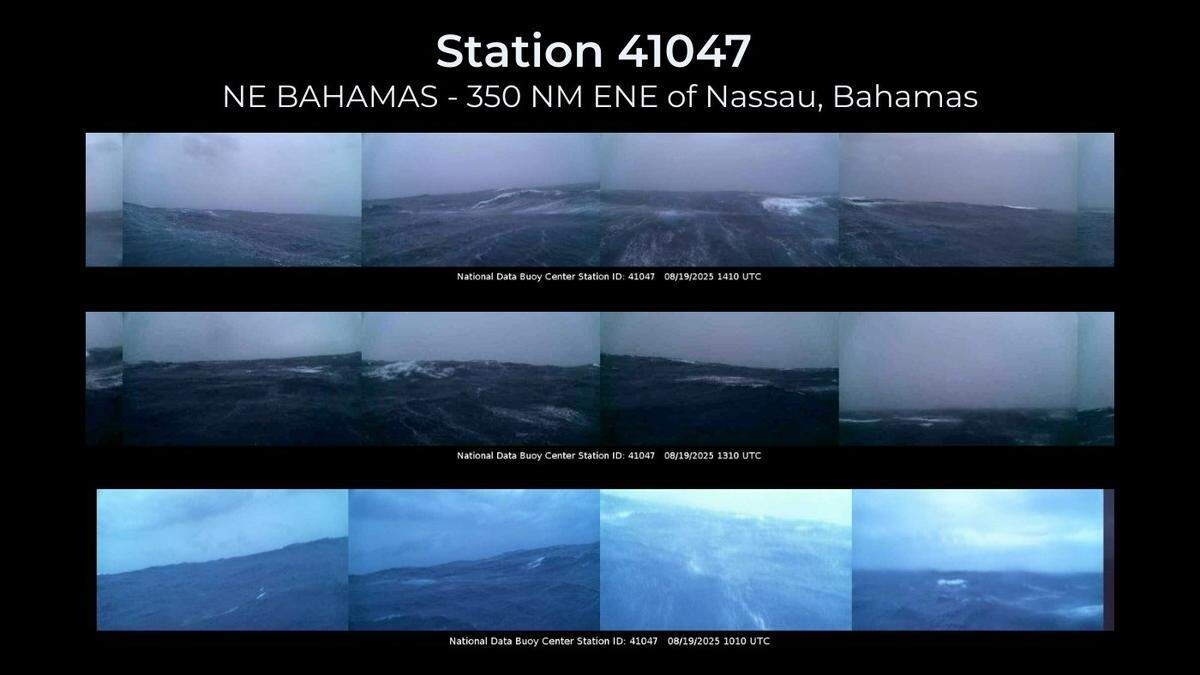
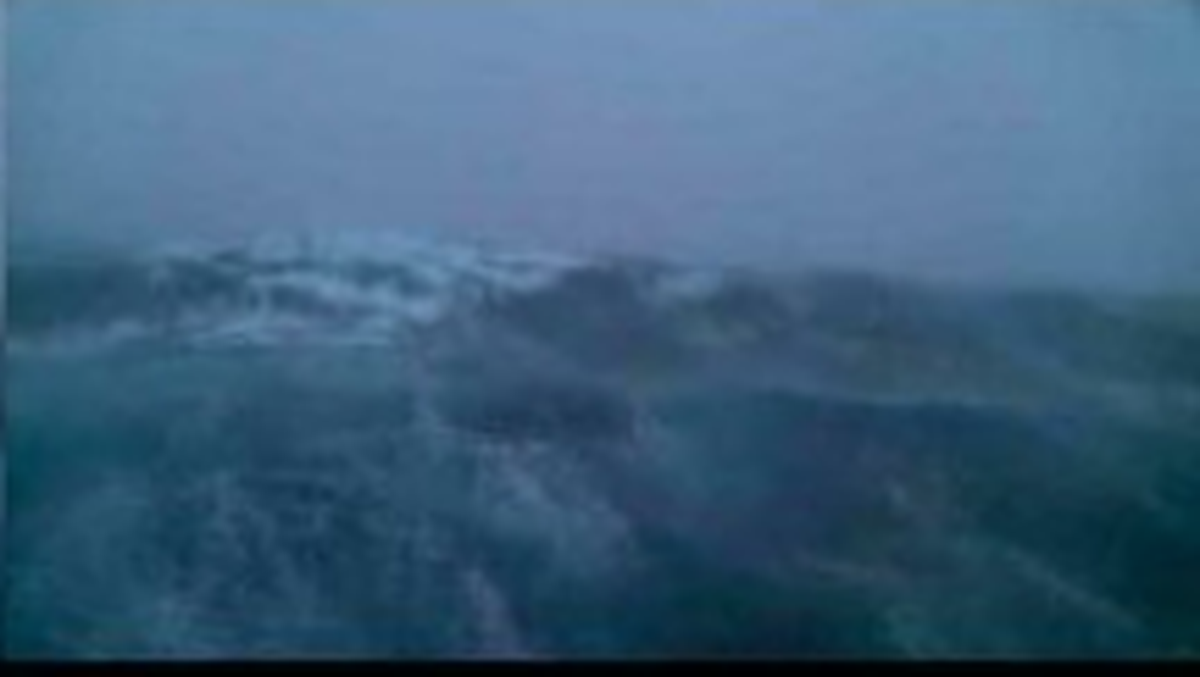
This collection of images was shared on Facebook Aug. 19, and they were taken by a buoy 130 miles from the eyes of the storm, NOAA says.
This collection of images was shared on Facebook Aug. 19, and they were taken by a buoy 130 miles from the eyes of the storm, NOAA says. NOAA
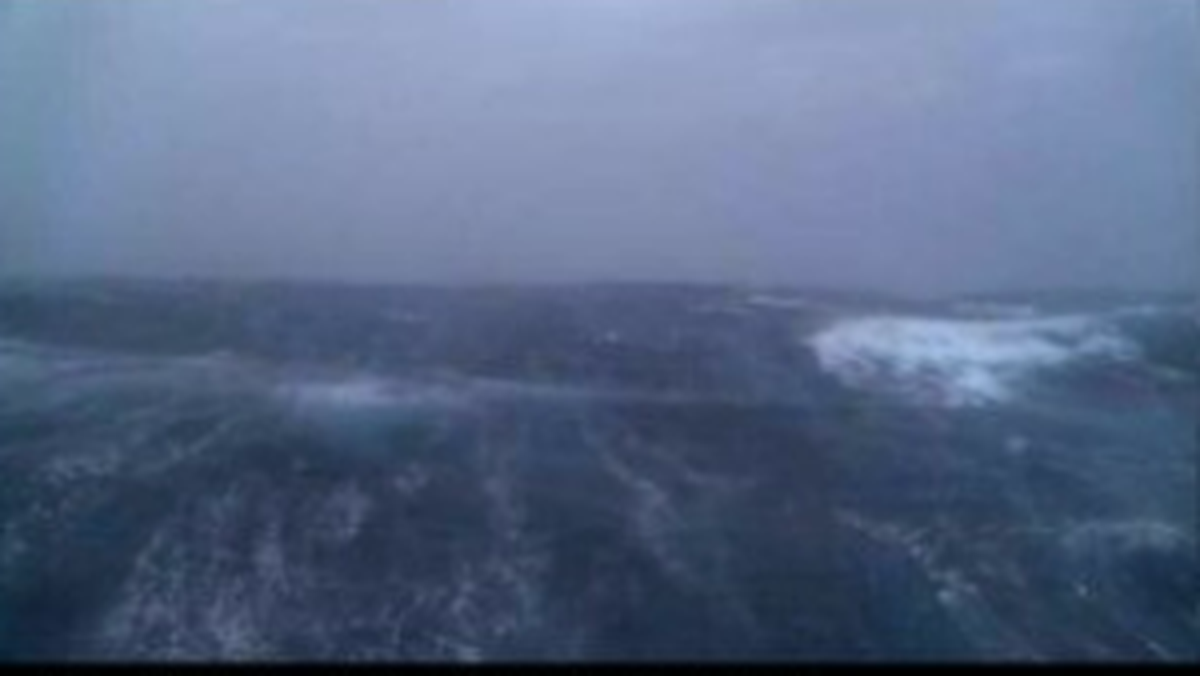
In some images, the sky largely vanishes as the waves fill the horizon.
In some images, the sky largely vanishes as the waves fill the horizon. NOAA
This image was taken Aug. 19 at a buoy 350 nautical miles northeast from Nassau in the Bahamas. The storm’s winds were at 130 mph at the time, and 60 mph gusts were being recorded 60 miles from the eye, NOAA says.
This image was taken Aug. 19 at a buoy 350 nautical miles northeast from Nassau in the Bahamas. The storm’s winds were at 130 mph at the time, and 60 mph gusts were being recorded 60 miles from the eye, NOAA says. NOAA
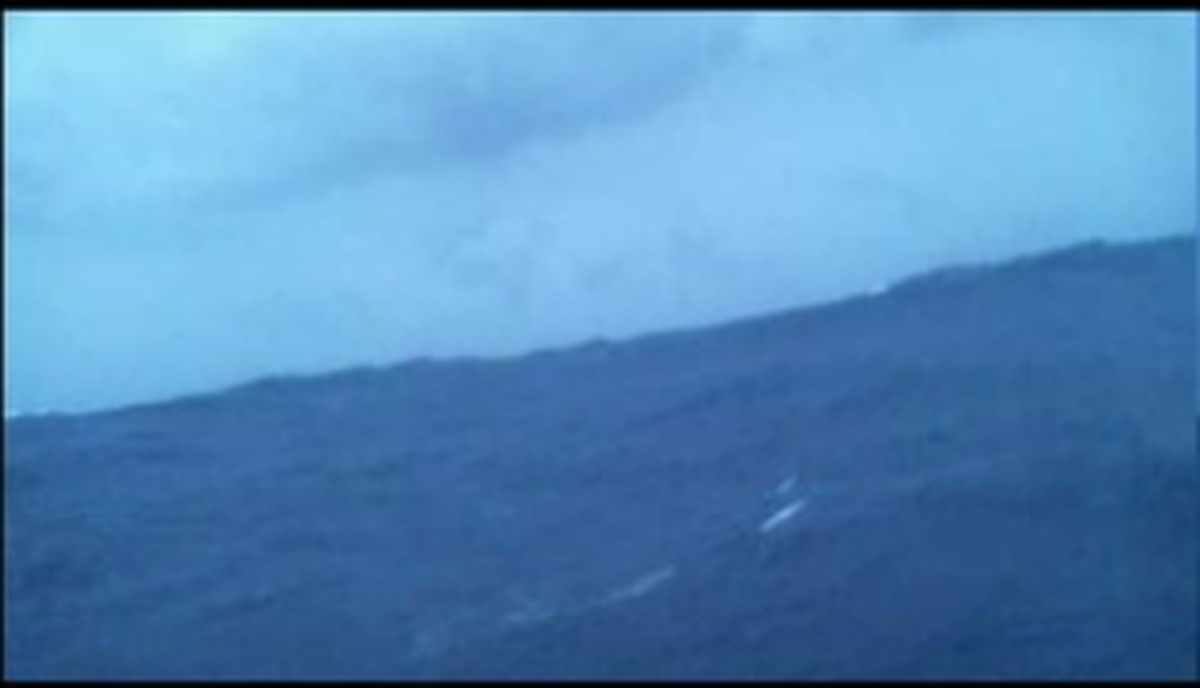
This wave was coming directly at the NOAA weather buoy in the western Atlantic Ocean on Aug. 19, images show.
This wave was coming directly at the NOAA weather buoy in the western Atlantic Ocean on Aug. 19, images show. NOAA
This is the moment a wall of water rolled toward a weather buoy 350 miles east/northeast of Nassau. Waves 30 feet high were being recorded at the time, NOAA says.
This is the moment a wall of water rolled toward a weather buoy 350 miles east/northeast of Nassau. Waves 30 feet high were being recorded at the time, NOAA says. NOAA
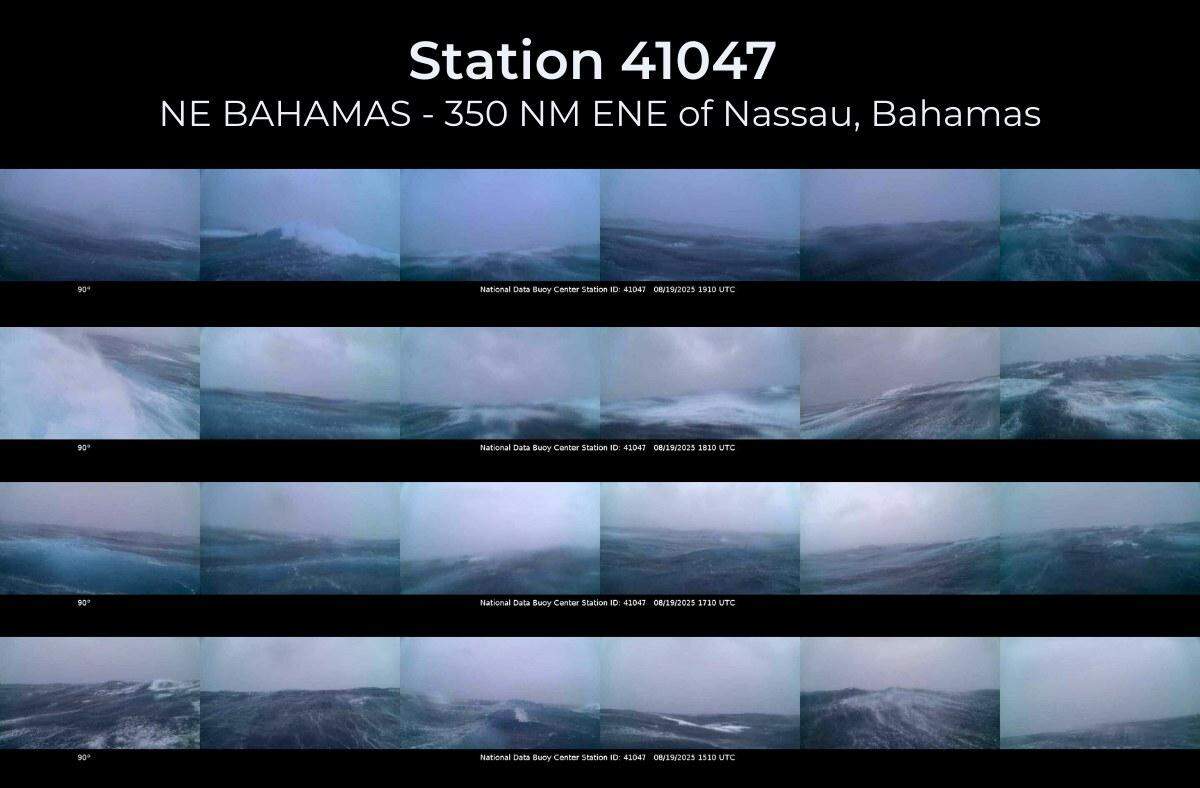
These images were all taken from NOAA weather buoy 41047 on Aug. 19 and shared on Facebook. The buoy is 350 miles east, northeast from Nassau.
These images were all taken from NOAA weather buoy 41047 on Aug. 19 and shared on Facebook. The buoy is 350 miles east, northeast from Nassau. NOAA

This story was originally published August 20, 2025 at 7:35 AM.

MP
Mark Price
The Charlotte Observer
Mark Price is a state reporter for The Charlotte Observer and McClatchy News outlets in North Carolina. He joined the network of newspapers in 1991 at The Charlotte Observer, covering beats including schools, crime, immigration, LGBTQ issues, homelessness and nonprofits. He graduated from the University of Memphis with majors in journalism and art history, and a minor in geology. 
Get unlimited digital access
#ReadLocal

Try 1 month for $1

CLAIM OFFER