
Bear was suspiciously familiar, Mississippi man says. Turns out they had history
Black bears may look alike to most of us, but Anthony Ballard swore he encountered one in the Mississippi wilderness that seemed familiar.
Turns out he was right, only the bear weighed less than 5 pounds at their previous encounter.
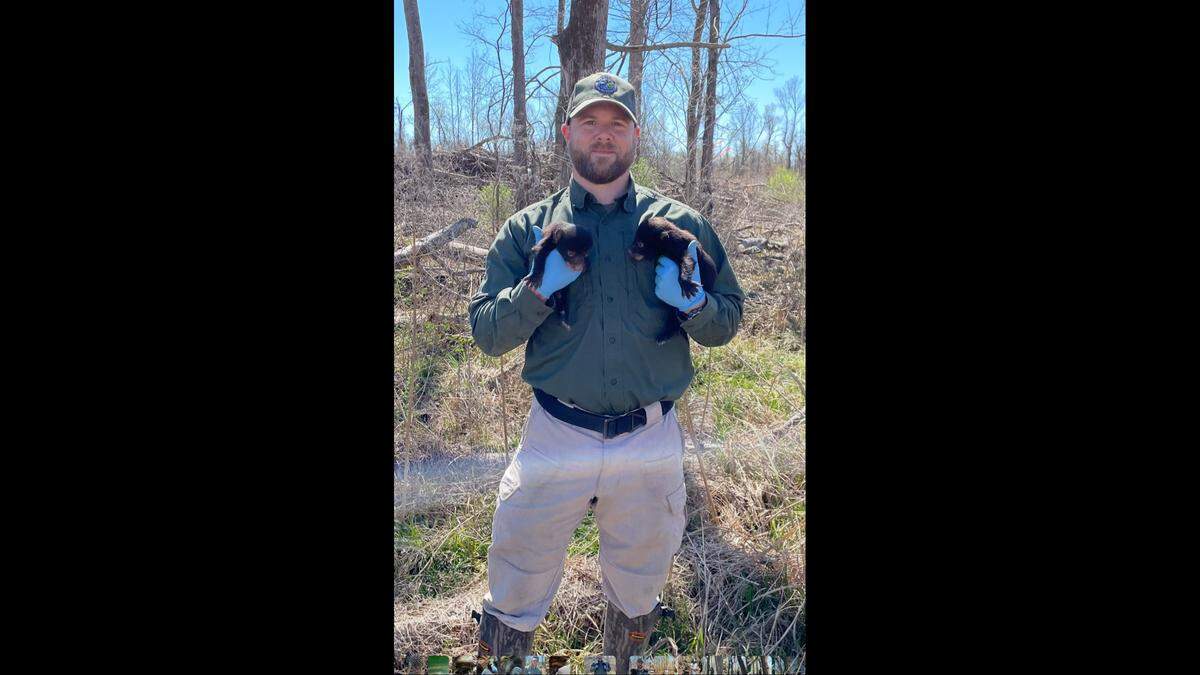
That was in 2023 when Ballard, a state biologist, found two adorable cubs in a den and implanted them with microchips as part of the Mississippi’s bear tracking program.
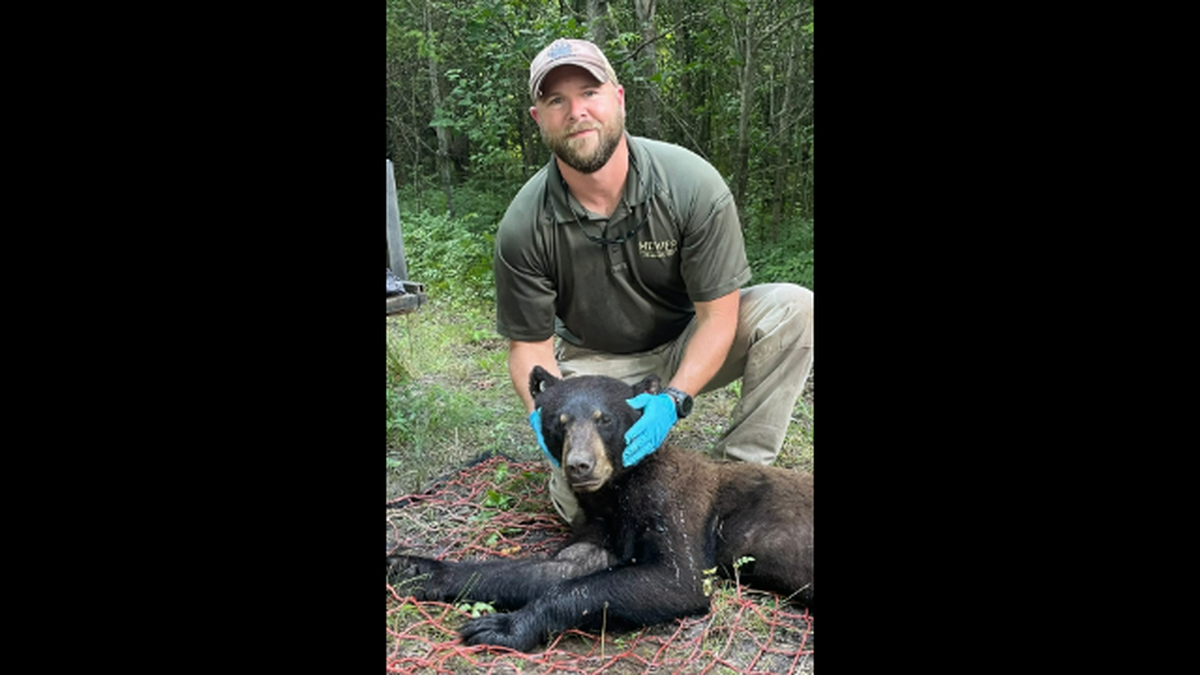
That microchip confirmed Ballard wasn’t imagining things.
“When it is scanned, the scanner will display a unique number (like a serial number). I had my suspicions about who she was before, but when the reader picked up the tag I knew for sure,” he told McClatchy News in an email.
“Her litter mate (a male) was killed by a car in winter 2024, so I was glad to confirm she was still alive.”
The reunion happened this month in Warren County, just over a mile and a half from where the two originally met, he says. The bear is now known as F60 in record books, and she roams turf near Eagle Lake, about a 65-mile drive northwest from Jackson.
A July 21 Facebook post highlighting the bear’s reappearance had more than 3,700 reactions and comments as of July 23, including from some who wondered if she was eating enough.
“To many, she may appear skinny but don’t worry, this is normal!” the Mississippi Department of Wildlife, Fisheries, and Parks said in its Facebook post.
“Young bears often appear this way as their bones grow faster than their muscle and fat. She’s still growing — similar to the human pre-puberty stage — so her frame looks lean and leggy for now. As she matures, she’ll bulk up and grow into that build.”
Mississippi’s black bears were nearly wiped out a century ago due to overhunting and habitat destruction, the state says. In 1974, bears were added to the state’s “list of rare and threatened vertebrates of Mississippi.”
“Biologists currently estimate the Mississippi bear population to be about 150 bears in the state, which is a major improvement over the estimated 40 individuals in 2002,” the wildlife department says.