
Dad restrained by cops died after saying he couldn’t breathe in AL, lawyers say
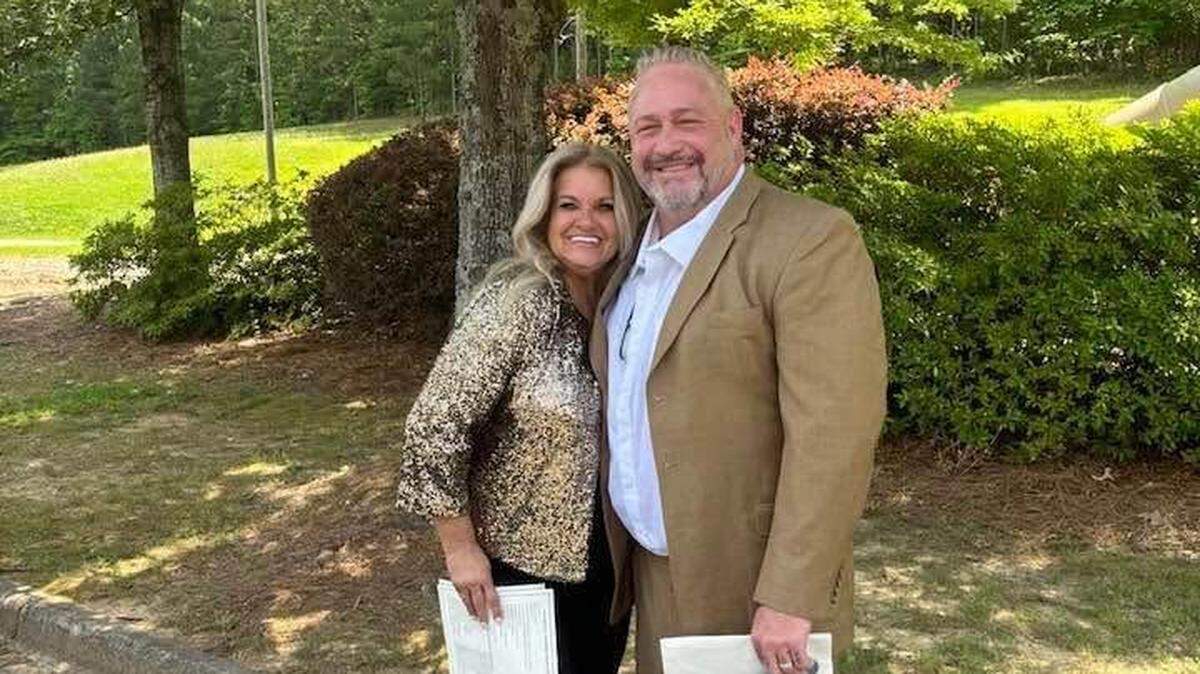
A 52-year-old man experiencing a mental health emergency died after lawyers for his family said Alabama police tased, then restrained him, until he was no longer conscious.
The officers opted to use physical force against Phillip Reeder instead of attempting de-escalation measures first, killing him near a highway in Irondale, a Birmingham suburb, the morning of Aug. 6, according to civil rights attorneys Harry Daniels and Roderick Van Daniel.
One Irondale officer is accused of placing and keeping his knee on Reeder’s neck while restraining him, despite Reeder saying he could not breathe multiple times, Daniels and Van Daniel said in a July 21 news release.
Reeder’s death has been ruled a homicide by the Jefferson County Coroner Medical Examiner’s Office, the attorneys announced. His autopsy report was provided to McClatchy News by Michael Wukela, a spokesperson for Daniels and Van Daniel.
The report dated Aug. 29 says Reeder died of “hypertensive heart disease associated with cocaine use and restraint during altercation.”
“Homicide” is listed as his manner of death.
Reeder’s family, including his wife, Sandra Lee Reeder, along with their attorneys, held a news conference in front of Irondale City Hall on July 21.
Sandra Reeder was joined by her and Phillip Reeder’s two sons, Kylee and Zechariah Reeder, AL.com reported. She said her husband “suffered a painful death.”
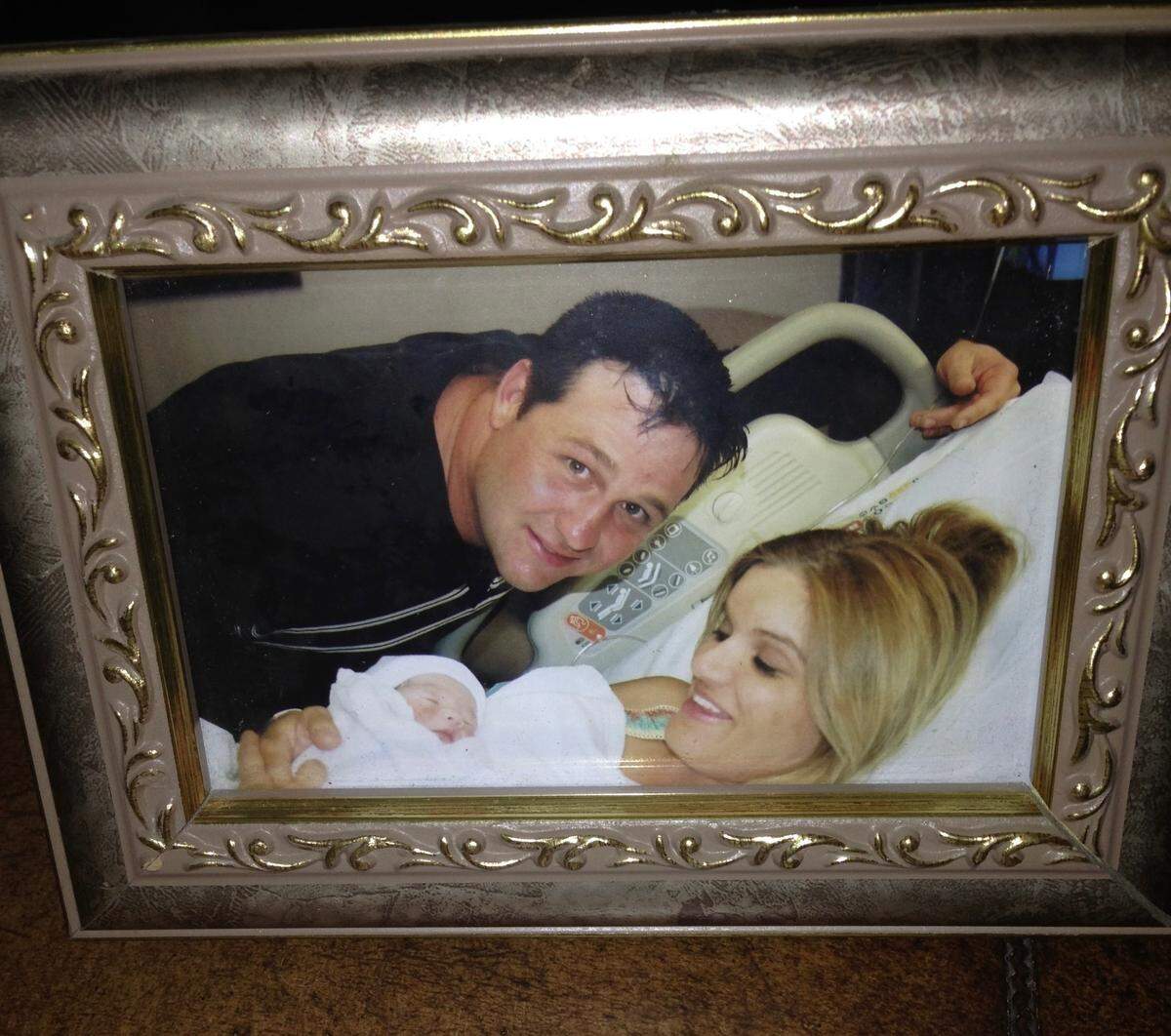
“After being Tased by the Irondale Police Department, subdued, handcuffed with his hands behind his back, face down, one officer’s knee is on Phillip’s neck for about three minutes while another police officer had one Phillip’s legs upwards,” Sandra Reeder said, according to the outlet.
“Phillip is heard clearly, not once, not twice but three times saying, ‘I can’t breathe,’” she added.
Irondale Police Chief Jason Wiggins did not return McClatchy News’ request for comment July 21.
The city and its police department issued a joint statement the evening of July 21 in response to what officials said was “misinformation provided to the media.”
The city and the department “do not agree with the characterization of events by Ms. Sandra Reeder,” the statement said.
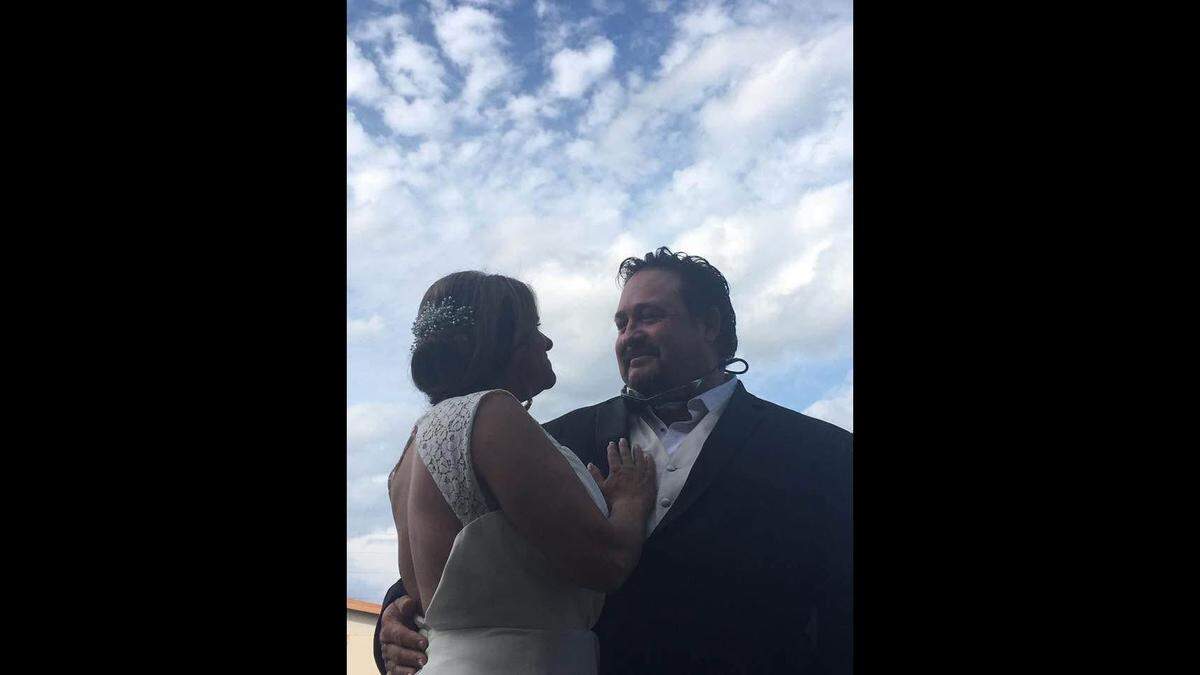
According to city officials, on Aug. 6, at around 5:10 a.m. multiple people called 911 when they saw Phillip Reeder along Highway 78 in Irondale.
The callers reported a man was “running in and out of traffic,” leading to officers responding to the scene, the city and police department said. They suspected Phillip Reeder was under the influence due to him “behaving erratically.”
Officers tased Phillip Reeder because they considered him “a danger to himself and others,” according to the city and department’s statement, after officials said he did not follow officers’ commands and “continued running in the road and shouting.”
Phillip Reeder is accused of resisting as officers restrained and handcuffed him. The statement said the city and department deny the accusation that officers used excessive force and one put a knee on his neck.
In Phillip Reeder’s autopsy report, Jefferson County Associate Coroner and Medical Examiner Dr. Daniel W. Dye wrote that after Phillip Reeder became unresponsive while being restrained by police, Irondale Fire and Rescue transported him to a hospital. There, he was declared dead.
Phillip Reeder had blunt force injuries, specifically abrasions and contusions on his body, as a result of being restrained and following attempts to resuscitate him at St. Vincent’s East Emergency Department, according to Dye.
“Although likely painful, the blunt force injuries alone would not account for Mr. Reeder’s death….The combination of his heart disease, cocaine, injuries and exertion from the altercation are the best explanation for Mr. Reeder’s death,” Dye wrote in the autopsy report’s case summary.
Phillip Reeder owned a construction business, Reeder Construction, in Alabama, his family’s attorneys said.
At the news conference, Daniels said officers unnecessarily used deadly force, similar to the officer-involved death of George Floyd in Minneapolis in 2020, according to The Associated Press.
“This world was captivated and shocked about what happened in 2020 in Minneapolis, Minnesota,” Daniels said, the AP reported. “In 2024, the exact same thing happened.”
The news conference was held after the Alabama Law Enforcement Agency recently agreed, after 11 months, to let Phillip Reeder’s family watch police body camera footage related to his death, according to AL.com.
“As a son watching his father be smeared into the ground with blood running down his face, that’s traumatic as it is,” Phillip Reeder’s son Kylee Reeder said, the outlet reported. “We had to actually endure that for an hour, me and my brother. It was ridiculous to see what they did and how they handled it.”
In the joint statement by the city and police, officials said the ALEA independently investigated Phillip Reeder’s death and concluded the officers actions’ were justified.
“The City of Irondale and the Irondale Police Department support (our) police officers and do not believe they did anything wrong as to Phillip Reeder,” the statement said.
His family, however, wants to see justice.
“He didn’t deserve what happened to him,” Daniels said of Phillip Reeder, according to AL.com. “He begged and pleaded for his life.”
.jpg)