Sugary drinks — from soda to juice — may increase diabetes risk more than food
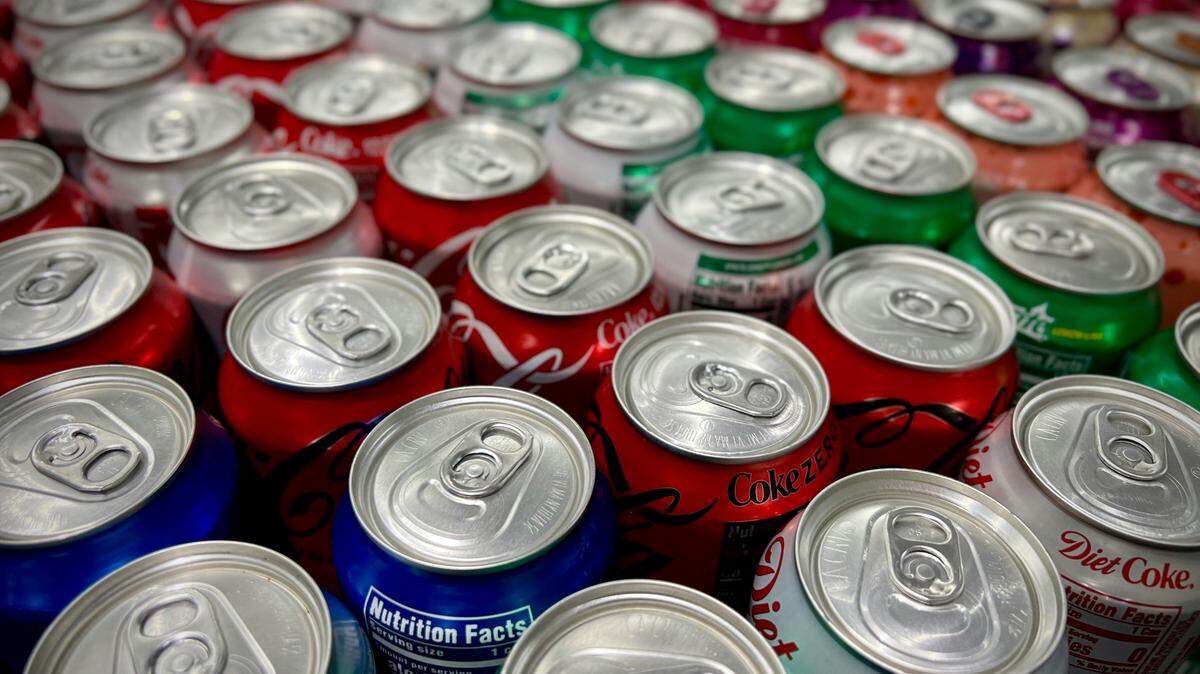
It’s no secret that consuming large amounts of sugar can contribute to chronic health problems. From obesity to cavities, doctors and health experts have warned against high sugar intake for decades.
Now, however, a new study has found that the way the sugar is delivered — whether through a drink or eaten — may make a difference in the risk of type 2 diabetes.
Researchers from Brigham Young University and two German institutions conducted a systematic review of research on type 2 diabetes, a condition that is rising globally, according to a May 27 news release from BYU.
This means the research team looked through previous studies that included data on sugar consumption and the development of type 2 diabetes, then identified new relationships in the data.
They were looking for a “dose-response relationship,” meaning an increase in the exposure results in an increase or decrease of an adverse medical outcome.
Sugar consumed through drinks like soda, energy drinks and fruit juice were compared to sugar consumed through food in how likely someone who consumed the sugar was to develop type 2 diabetes, according to the release.
The results were published May 27 in the peer-reviewed journal Advances in Nutrition.

“This is the first study to draw clear dose-response relationships between different sugar sources and type 2 diabetes risk,” lead author Karen Della Corte said in the release. “It highlights why drinking your sugar — whether from soda or juice — is more problematic for health than eating it.”
The research showed someone drinking an additional 12-oz serving of sugar-sweetened drink per day increased their type 2 diabetes risk by 25%, according to the release.
The increase continues for each additional drink, researchers said, and includes things like soft drinks and energy drinks as well as common sports drinks.
“This strong relationship showed that the increased risk began from the very first daily serving with no minimum threshold below which intake appeared to be safe,” according to the release.
Fruit juices may seem like a better option, but the research showed an additional 8-oz serving of 100% fruit juice, nectars and juice drinks raised type 2 diabetes risk by 5%, researchers said.
When compared to sucrose, or table sugar, and the overall sum of naturally occurring sugars in food, about 20 grams of sugar a day didn’t increase the type 2 diabetes risk, instead showing a “surprising protective association.”
“The above risks are relative and not absolute,” researchers said. “For example, if the average person’s baseline risk of developing type 2 diabetes is about 10%, four sodas a day could raise that to roughly 20%, not 100%.”
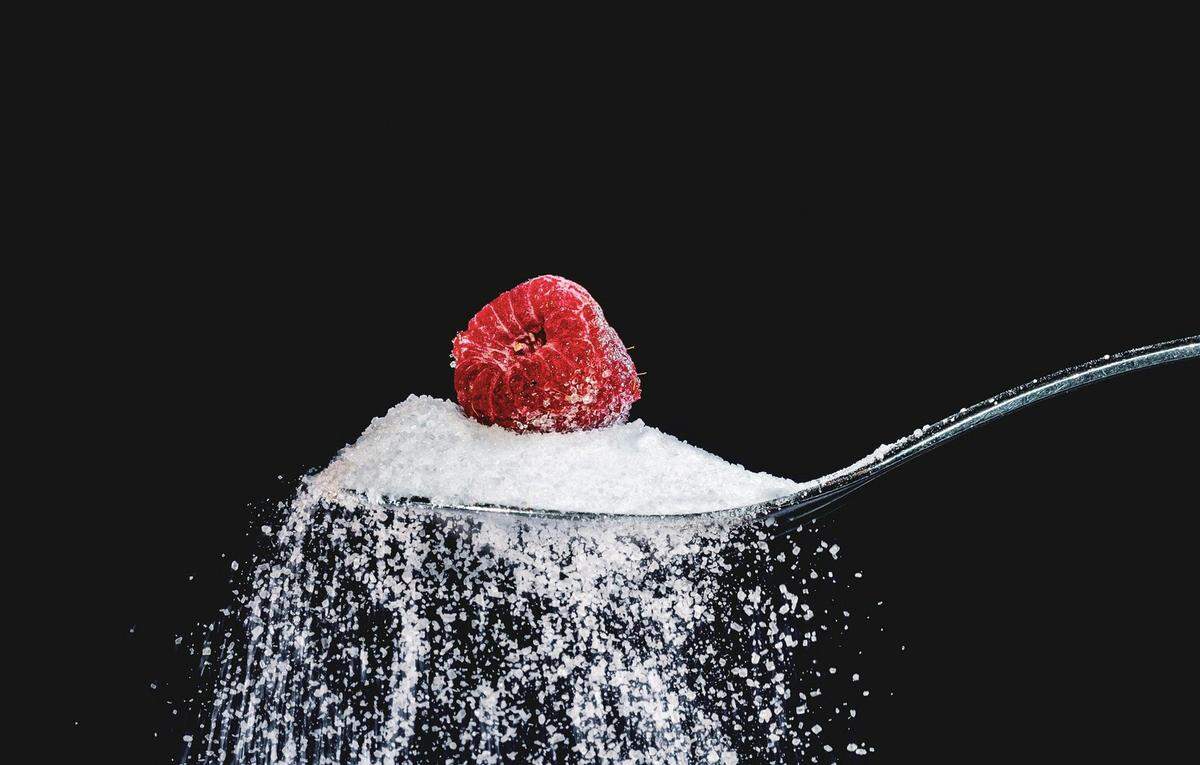
The difference likely comes down to metabolism, according to the release.
Sugar added to drinks is isolated sugar, and can overwhelm and disrupt the function of the liver, increasing fat and insulin resistance, researchers said.
Sugars in food are often coupled with the other nutrients found in “whole fruits, dairy products, or whole grains,” which do not overwhelm the liver.
“These embedded sugars elicit slower blood glucose responses due to accompanying fiber, fats, proteins and other beneficial nutrients,” researchers said.
These findings show fruit juice is also an ineffective alternative to whole fruits, as the juice lacks the fiber and natural sugar, according to the release.
“This study underscores the need for even more stringent recommendations for liquid sugars such as those in sugar-sweetened beverages and fruit juice, as they appear to harmfully associate with metabolic health,” Della Corte said. “Rather than condemning all added sugars, future dietary guidelines might consider the differential effects of sugar based on its source and form.”
The research team includes Della Corte, Tyler Bosler, Cole McClure, Anette E. Buyken, James D LeCheminant, Lukas Schwingshackl and Dennis Della Corte.