Americans know and trust their neighbors less today than 10 years ago, poll says
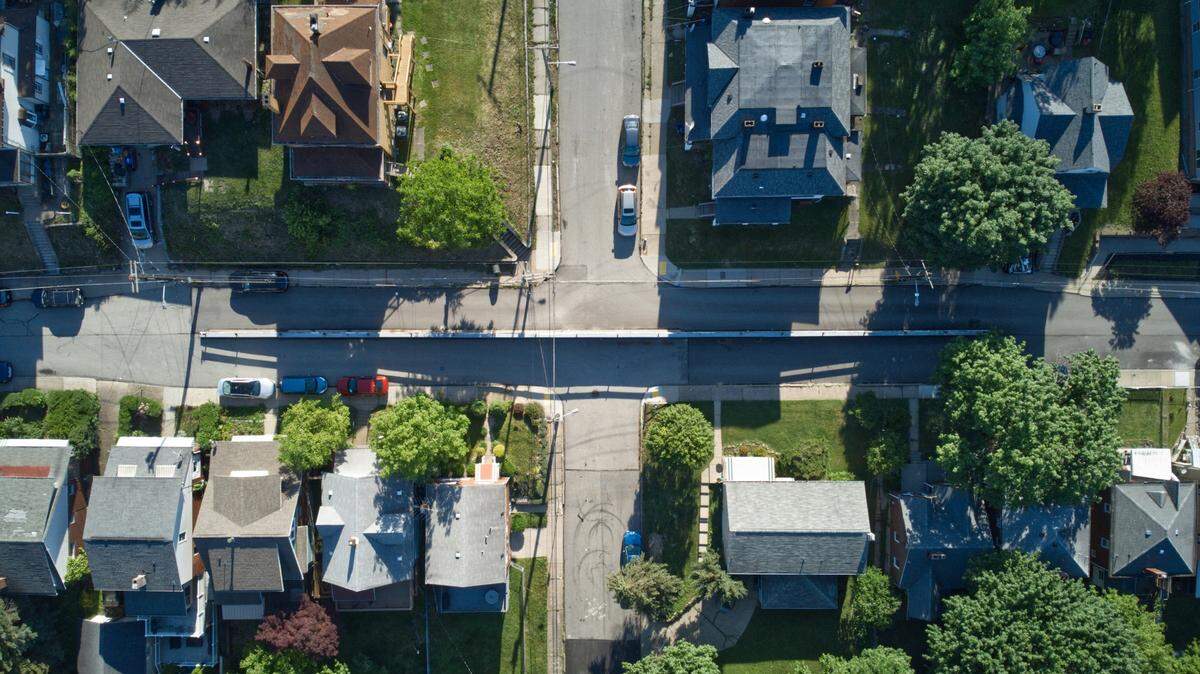
Whether living down the street or down the hallway from one another, Americans in general know and trust their neighbors less now than they did a decade ago, according to a survey.
Twenty-six percent of U.S. adults said they know all or most of their neighbors, according to a March Pew Research Center survey. This number is down 5 percentage points from when the survey was last taken in 2018.
Seventy-four percent of Americans said they know only some or none of their neighbors, according to the survey.
In 2015, 52% of respondents said they trust all or most of their neighbors; that number is now down to 44%, the survey found.
The data is based on the American Trends Panel, which is a survey of 9,482 U.S. adults taken between March 10 and March 16. It has a margin of error of 1.4 percentage points.
The results come as Americans are increasingly reporting feeling lonely. In 2023, former U.S. Surgeon General Vivek Murthy declared an “epidemic” of loneliness in the country.
One of the leading causes of loneliness is “living in a society that is too individualistic,” according to researchers at the Harvard Graduate School of Education. Other top causes cited by researchers were technology, not enough time with family, being overworked, mental health challenges and a lack of religious or spiritual life.
The survey also found five standout groups of Americans that are more likely to say they know and trust all or most of their neighbors compared to other groups.
These include adults ages 50 and up, white Americans, upper-income individuals, residents of rural or suburban areas, and people who attend in-person religious services at least monthly.
These groups are also more likely to say most people can generally be trusted, researchers said.
Other groups included in the survey are men and women, people ages 18-49, those with and without college degrees, lower and middle income Americans, Republicans and Democrats, and people living in urban spaces.
Republicans were more likely than Democrats to know and trust their neighbors, but researchers pointed out a caveat with the data — the differences are related to other factors like race and ethnicity and education levels.
According to the survey, more Americans, 50%, said they share the same race and ethnicity with their neighbors over education level or political views. Thirty-eight percent said they have the same level of education and 23% said they shared political views, the survey found.