
Creature with ‘unique’ all-black face found in Hawaii. It’s a new species
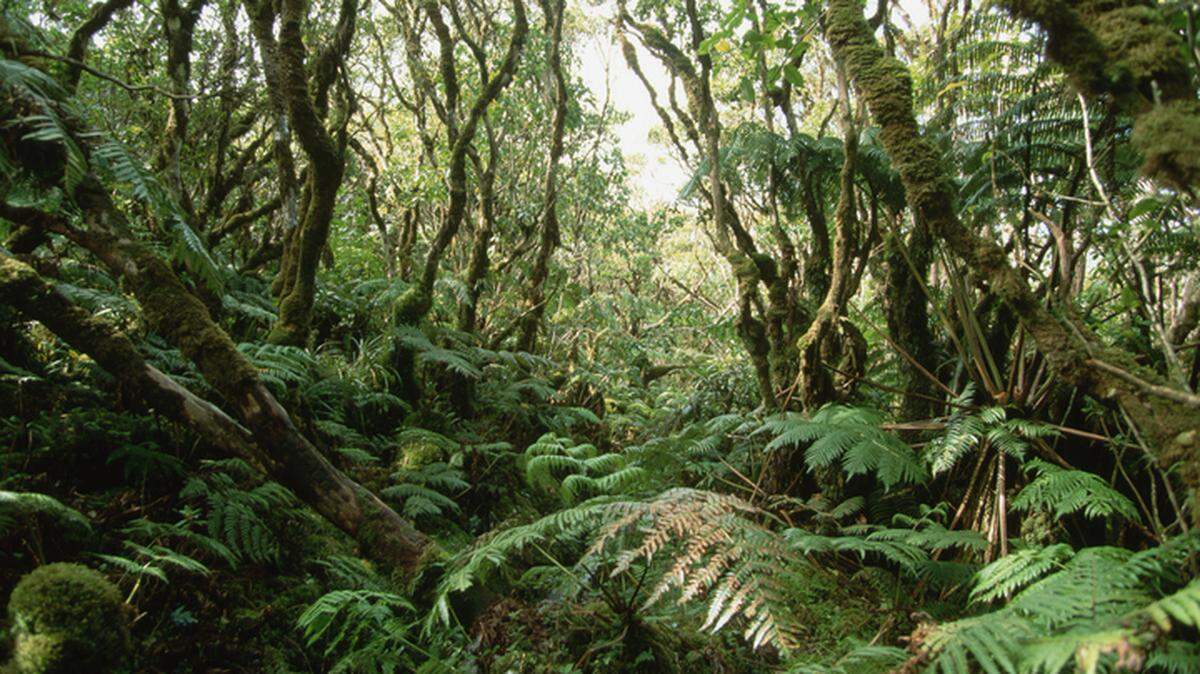
Karl Magnacca wasn’t expecting to find a great deal of bees on a visit to the island of Molokai in Hawaii.
But the entomologist’s trip last May ended up yielding an “exciting” discovery – a previously unknown bee species, the Hawaii Department of Land and Natural Resources, or DLNR, announced in a Feb. 19 news release.
Magnacca, who works for the agency’s Division of Forestry and Wildlife, discovered the bee during a survey with the Moloka‘i Plant Extinction Prevention Program, officials said.
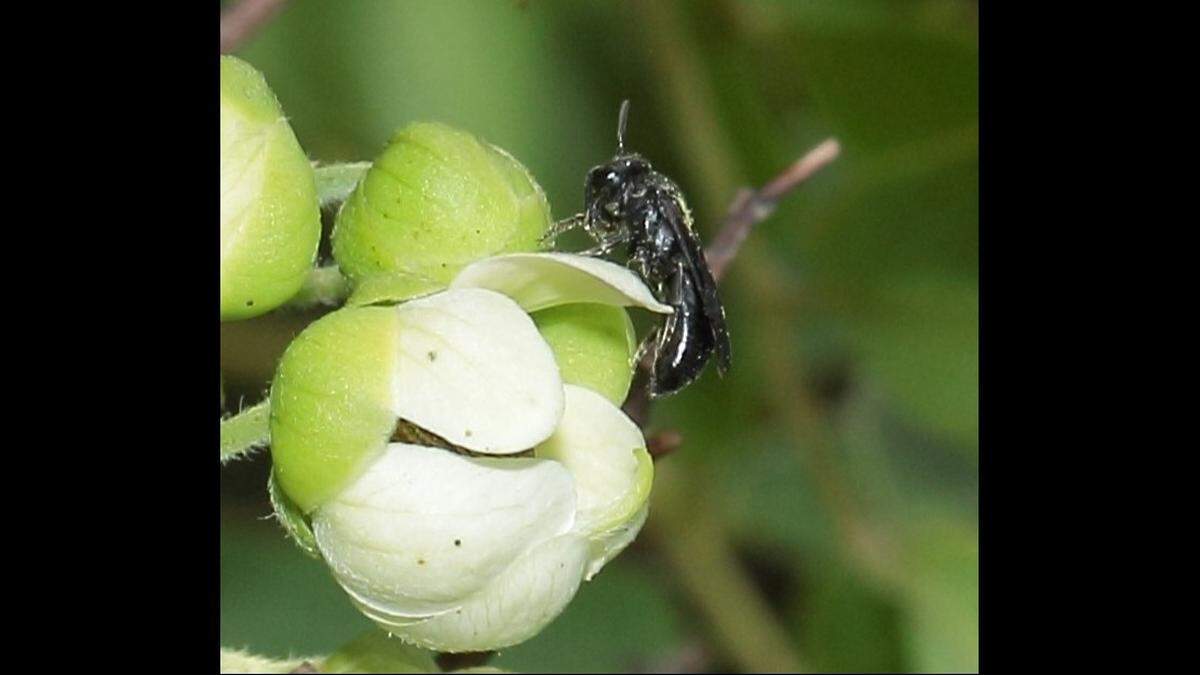
The new species is named Hylaeus paumako in a nod to the Hawaiian word “paumākō,” which means grief or mourning, according to officials. It “was distinguished by its all-black face, a unique characteristic not seen in any other known male bee species on Moloka‘i,” officials said.
Hylaeus paumako is part of a group that’s native to Hawaii, “with all 64 known species in the same genus descending from a single ancestor that arrived on the islands roughly one to 1.5 million years ago,” officials said.
It was found in a conservation area that’s been in DLNR’s hands since 2022.
The land has “pockets of native vegetation” that are fenced in and “provide crucial habitats for native species such as Hylaeus paumako as well as many rare plants,” officials said.
Magnacca said that while he “didn’t expect to find many bees during” the survey, “the presence of the native shrub kolomona” got his attention, according to officials.
“It was there that I first noticed the distinctive markings on one of the bees. I immediately realized that I had found something new,” he said in the release.
He called it “an exciting discovery” and praised the Moloka‘i Plant Extinction Prevention Program team for its help, according to officials.
It’s not uncommon to identify new native insect species, officials said, noting that Magnacca is reported to have collected about 500 in three years.
“I do expect there will be more discoveries among the native bees. There are quite a few that haven’t been seen in decades, and recently discovered ones that have only been seen once or twice, so they seem to be quite good at hiding from us,” Magnacca said in the release. “I have seen them persisting in surprisingly small or degraded areas, so that gives some hope that they may actually be doing better than it seems.”
This story was originally published February 20, 2025 at 11:57 AM with the headline "Creature with ‘unique’ all-black face found in Hawaii. It’s a new species."
.JPG)