Trump ‘meme coin’ is nothing new in politics — just ask Caesar or Alexander The Great
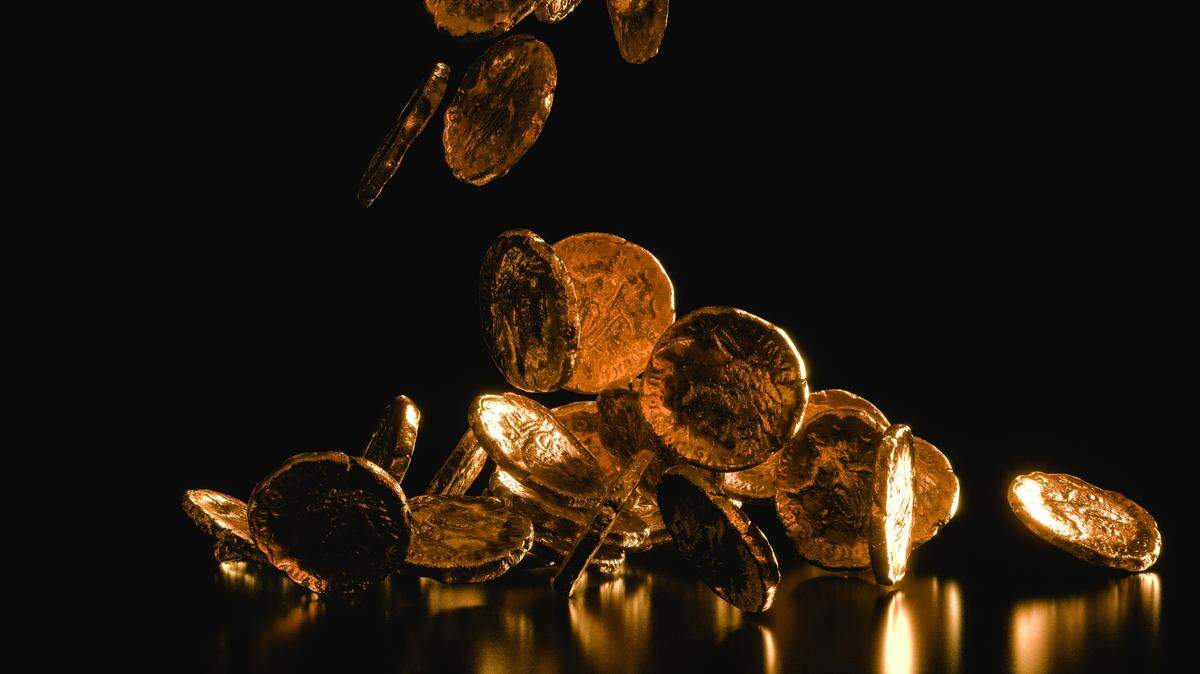
In the days since President Donald Trump came back into office on Jan. 20, the value of his cryptocurrency has reached more than $6 billion.
The “meme coin” was launched Jan. 17 at $6.54 and peaked at $72.62 on Jan. 19 before falling again to a plateau around $35 later in the week, according to cryptocurrency tracker CoinGecko.
“The Official Trump token, also known as TRUMP, is a meme token launched by President-elect Donald Trump on his Truth Social account. It is a Solana meme coin that allows users to trade and invest in it,” CoinGecko says.
The Trump coin has sparked a deluge of ethical concerns both inside and out of the cryptocurrency market as now billions of dollars have been invested in a coin with little transparency and no clear boundary between its financial management and the president.
But there is something else that stands out about the fast-growing online currency.
The token is marketed with an image of the president immediately after an assassination attempt on July 13 in Pennsylvania, with his fist in the air and “Fight, fight, fight” graffitied over the image.
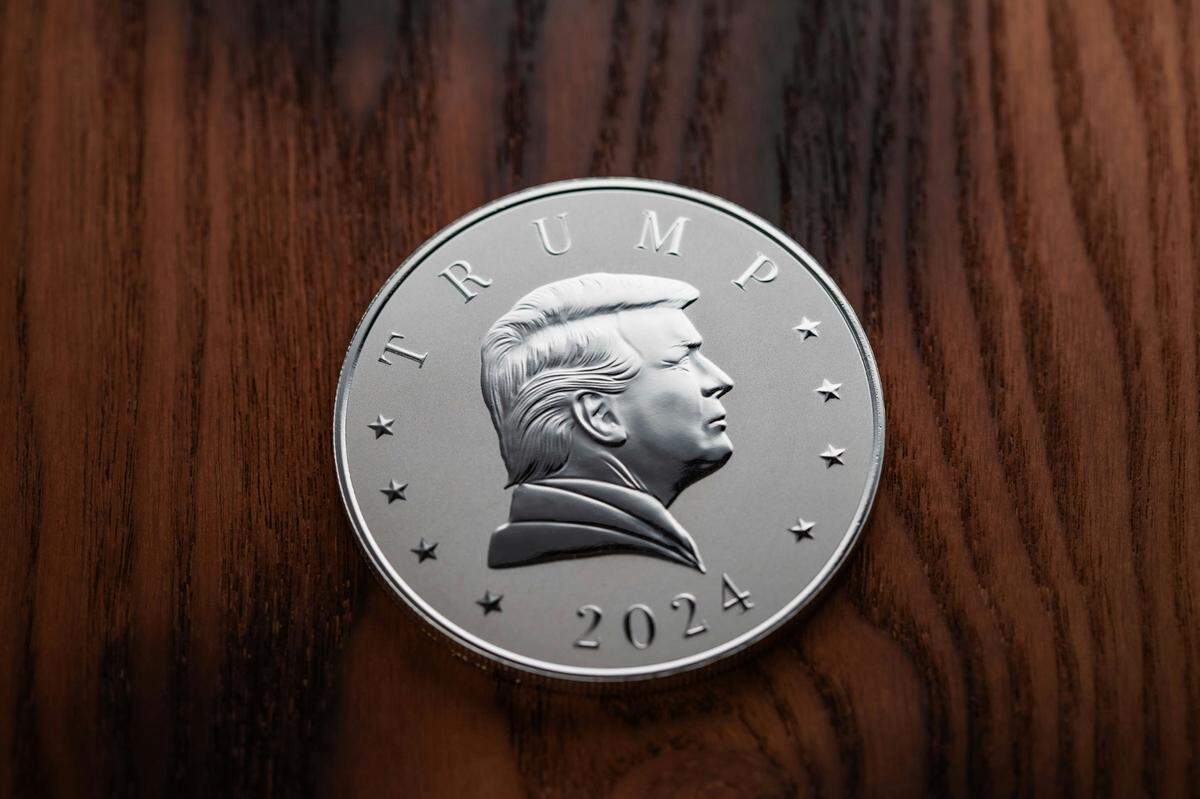
Trump has also put his face on commemorative coins, valued at around $30 but sold for $100, Forbes reports. The website selling the coins, realtrumpcoins.com, says the coins are not political and not sold by Trump himself.
These ventures may seem novel for a sitting U.S. president, but the Trump team is far from the first group in the political sphere to see currency as an opportunity for advertising and publicity — it started 2,400 years ago.
The first minted faces
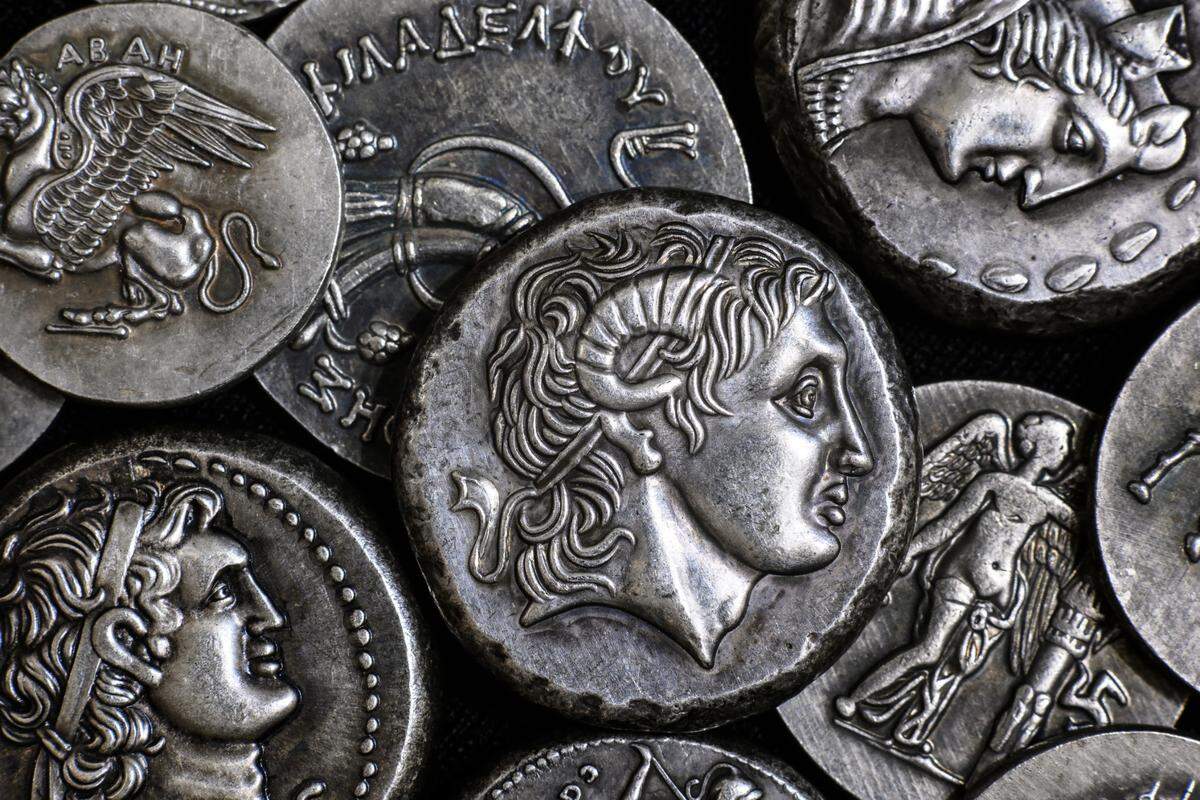
Physical coins were invented around 750 B.C., and the symbols pressed into their surface were almost exclusively gods or goddesses or images that united the community, according to the Coin Museum.
More than a century later, the images of humanized deities were depicted on coins for the first time, but they did not reference specific people and included qualities associated with kings instead, the museum said.
It wasn’t until Tissaphernes, the Persian nobleman and satrap of Lydia — an ancient empire in modern-day western Turkey — became sovereign that the first person-specific portrait was minted, sometime between 445 to 395 B.C.
Other leaders copied Tissaphernes and began to put actual portraits on coins, but they were mostly minted after their death.
For example, a tetradrachm from 323 B.C. was issued after the death of Alexander the Great and depicts “one of the most beautiful, actually realistic portraits of Alexander” and was an important turning point for coin art, the Coin Museum said.
Demetrius I, successor to Alexander the Great, was the first to choose to have his own portrait on a coin, a testament to the leader’s value of himself as coin portraits in the western world had been reserved for gods or god-like emperors to this point, according to the museum.
A few centuries later, Julius Caesar was the first Roman leader to have his portrait on a coin while he was still alive, one denarius minted just days before his murder in 44 B.C., the museum said.
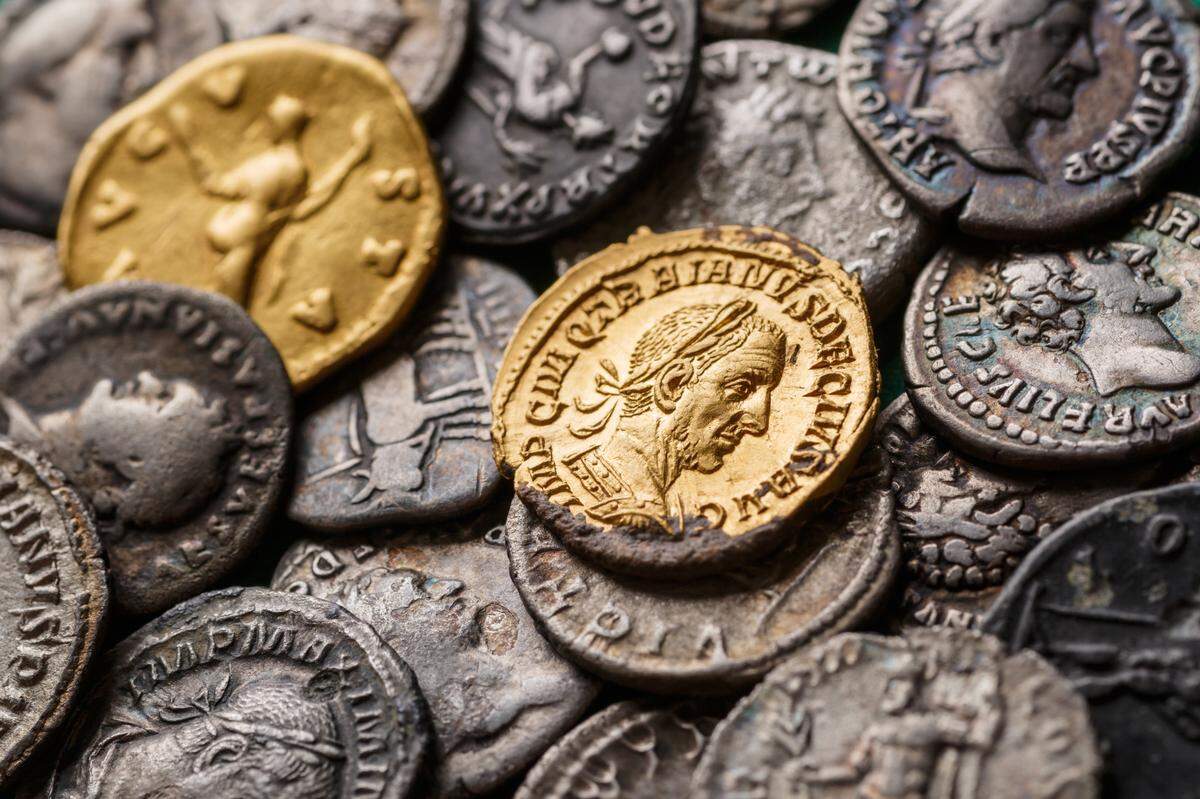
The decision was seen as “outrageous” and an indication of his growing ambition, according to Deutsche Bundesbank, the central bank of Germany. But Marcus Junius Brutus still chose to put his own likeness on a coin after leading the conspiracy to kill the politician.
It then became regular practice for Roman coins, and as monetary systems developed in the West, coins continued to depict leaders, Deutsche Bundesbank said.
Spreading ideology
As ancient leaders embraced the new face-forward trend of their currency, they also learned of its value in spreading ideology and propaganda to their citizens, and the design of new coins was a mix of vanity and strategy.
For example, a silver denarius from the Holy Roman Empire discovered by metal detectorists in Poland was minted more than 1,000 years ago to establish King Otto III’s association between imperial power and Christianity.
Although the coins didn’t have the face of Otto III, historians said they were used to spread the propaganda of Otto III’s holiness to the far reaches of his empire, and the coins became so valuable that they were not just used for currency, but also markers of diplomatic exchanges and symbols of personal prestige.
Roman and Greek leaders paired their portraits with specific symbols of power or godliness.
A coin with a bust of Galerius Maximianus on one side has the god Jupiter and an eagle on the other, signifying “the right to the throne and deification,” according to Rhodes College.
“Galerius, who ruled as a tetrarch (one of four joint rulers of Roman territory), used Jupiter as his guardian deity, so depicting Jupiter along with his eagle further expresses his connection to the Gods and significance as a ruler,” according to the college. “... Overall, Roman coinage comes with a variety of portraiture and other imagery, but every image and portrait has a purpose for whoever is deciding what to produce for the general Roman public. Even the most inconspicuous image of a horse grazing has a purpose in comparison to the coin it is shown on.”
‘Mockery of the industry’
Despite the fast success of the TRUMP cryptocurrency, the president has said he knows very little about meme coins, much to the anger of the rest of the industry.
“I don’t know much about it other than I launched it, other than it was very successful,” Trump told reporters, BBC reported.
He commented on the success of the coin by saying “several billion — that’s peanuts for these guys,” and gestured to a group of tech leaders gathered for an artificial intelligence news conference, according to the BBC.
“Trump’s comments about not knowing much about the coin back up my opinion that he is making a mockery of the industry. It’s a stunt,” Danny Scott, CEO of CoinCorner told the outlet.
Meme coins are typically inspired by something in online or pop culture, and can be named after popular memes, like Dogecoin, according to Coinbase.
They are considered rather volatile in the cryptocurrency space with a large amount of risk and are more symbolic rather than investment focused, allowing buyers to support an online personality or celebrity.
Much like the ancient coins of Otto III or the Romans, much of the TRUMP coin’s value comes from the perceived social significance of owning or possessing the coin, rather than its use as currency.