Congress is more religious — and more Christian — than the US public, new survey finds
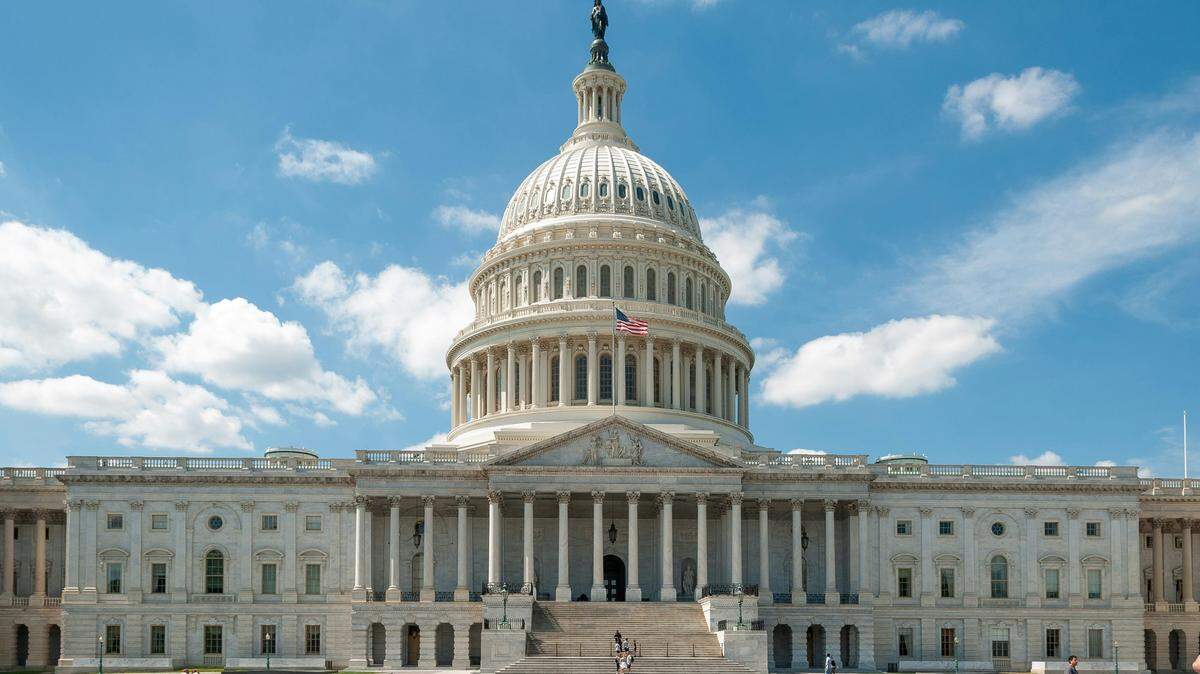
While the number of U.S. adults that identify as religiously unaffiliated has risen rapidly in recent years, the corresponding share of Congress has stayed small, a new survey found.
Less than 1% of voting members that make up the incoming 119th session of Congress identify as religiously unaffiliated, compared to about 28% of Americans who fall into this category, a Jan. 2 analysis by Pew Research Center found.
The organization conducts a report on the religious affiliation of Congress members every two years, researchers said. The data comes from CQ Roll Call, a nonpartisan publisher based in Washington, D.C.
The survey does not take into account the three vacant or soon-to-be-vacant seats, researchers said.
The number of lawmakers who identify as Christian has been decreasing over the past decade, and — according to the analysis — this session has the lowest number of Christian Congress members (87%) since the start of the 2009-2011 session.
Nevertheless, Christian members still make up the majority and outpace the general U.S. population by 25 percentage points, the survey found.
According to the analysis, Protestant majorities make up both the Senate and the House, at 59% and 55% of voting members, respectively.
Nearly all Republicans identify as Christian, at 98%, and a smaller majority of Democrats also identify as Christian, at 75%, the study found.
Non-Christian religions represented in Congress
There are 71 members of Congress who identify with a religion other than Christianity, according to the survey.
Thirty-two Congress members are Jewish, which also reflects a higher share of Congress than of the overall adult population of 2%, the survey found.
There are four members who identify as Muslim and four who identify as Hindu, the survey found. Buddhists and Unitarian Universalists have three members each, according to the study.