Norovirus cases spike, CDC says. What to know about the highly contagious stomach bug
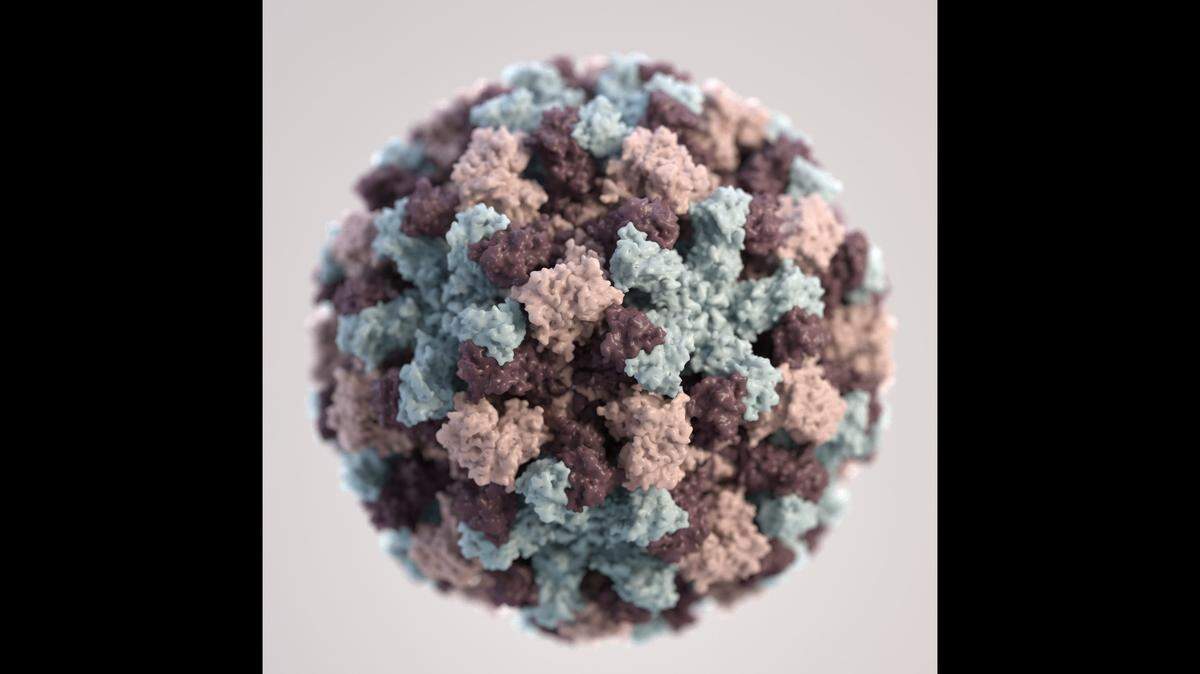
Certain areas of the United States are seeing spikes in cases of norovirus, a highly contagious stomach bug, health experts said.
The Centers for Disease Control and Prevention reported 91 outbreaks of norovirus during the week of Dec. 5, up 32% from the last week of November and the highest recorded number of outbreaks for this time period in more than a decade.
Since Dec. 21, cases are rising in most regions of the country, except the Northeast, according to CDC data. The Midwest and South regions have the highest spikes in cases.
More than 40 outbreaks have been reported in Minnesota — nearly twice the December average, the state’s department of health said in a Dec. 23 news statement.
“We want to make sure people are aware of this increase in norovirus outbreaks and are taking steps to prevent spreading illness to family or friends,” said Jessica Hancock-Allen, infectious disease division director at the Minnesota Department of Health.
Norovirus cases also saw a spike earlier this year, with the highest number of positive tests in the Northeast and West regions, McClatchy News previously reported.
What is norovirus?
Noroviruses, also known as food poisoning or the stomach bug, are “common and highly contagious,” according to the National Foundation for Infectious Diseases. About 1 in 15 people across the U.S. get the virus annually, experts said.
Most common symptoms of the virus are diarrhea, vomiting, nausea and stomach cramps, but fever, headache and body aches are also symptoms, according to the CDC.
How to avoid it
Because the virus is highly contagious, outbreaks are often reported in community settings like healthcare facilities, restaurants, schools, childcare centers and cruise ships, the National Foundation for Infectious Diseases said.
Avoid illness by washing your hands properly before using the bathroom, eating or handling food and before giving or taking medication, health experts said. Raw oysters and shellfish also contain bacteria that can cause norovirus.
If a person contracts the norovirus, make sure they drink plenty of liquids to avoid dehydration, health experts say. There are no antibiotics to fight the illness. A norovirus case usually lasts one to three days.