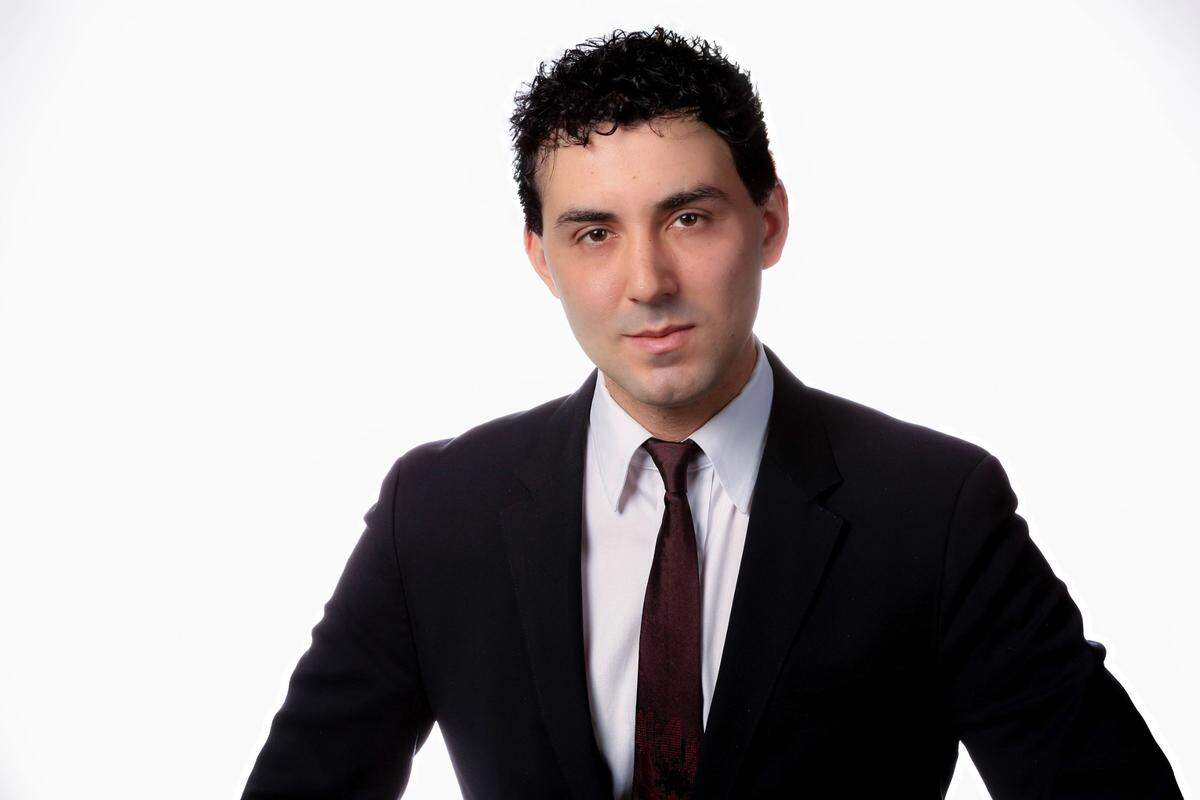
U.S. to send officials to Syria in Austin Tice search, focusing on six Assad prisons
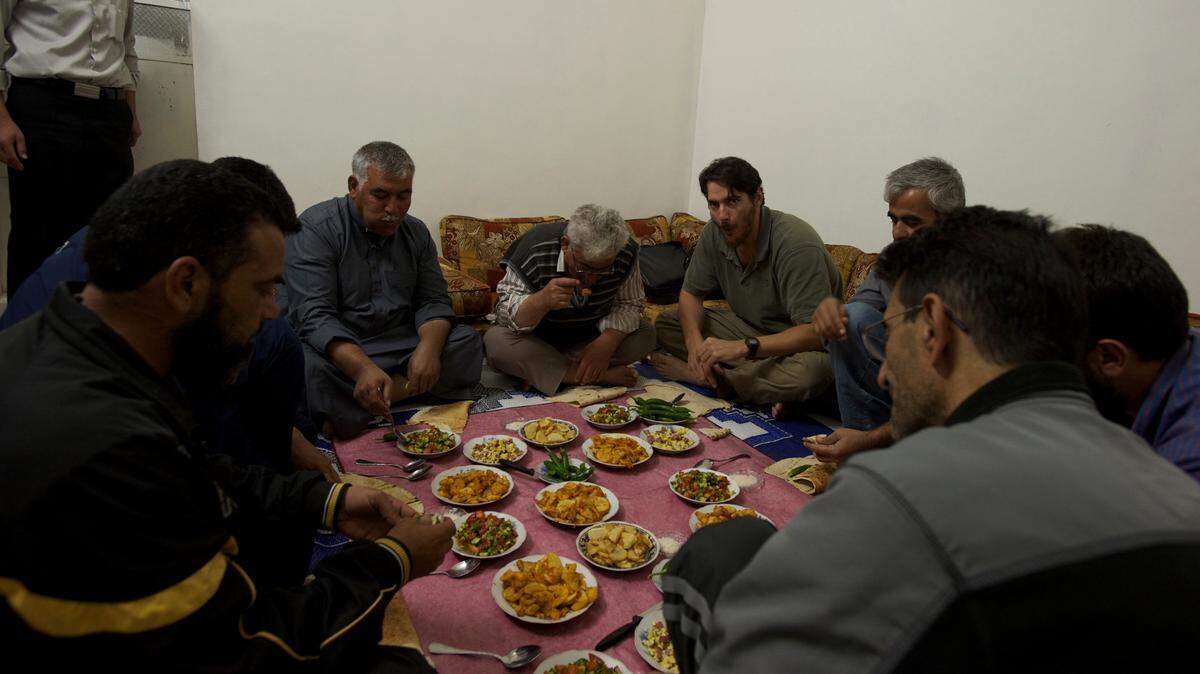
The Biden administration is working to send U.S. officials to Damascus to help direct an intensifying search for Austin Tice, a freelance journalist who went missing in Syria 12 years ago, top State Department officials said Friday.
The announcement came after a senior U.S. delegation traveled to the Syrian capital on Friday, the first visit of its kind since Syria’s longtime dictator, Bashar al-Assad, fled the country on Dec. 8.
U.S. Assistant Secretary of State for Near Eastern Affairs Barbara Leaf and Roger Carstens, the U.S. special envoy for hostage affairs, led the delegation, which met with members of Hay’at Tahrir al-Sham, or HTS, the rebel group that led the assault on Damascus that toppled the Assad regime.
“We’re working to get additional U.S. officials into Damascus to help direct the search, even as we have been directly enabling partners on the ground supporting this effort,” Leaf told reporters on a conference call after landing in Amman, Jordan, on Friday evening.
The search is currently focused on six prison facilities that U.S. officials believe have held Tice at some point in time over the course of his custody, Carstens said on the call.
Information gathered since Assad’s fall has given U.S. authorities reason to search a handful of additional prisons, but Carstens pointed out that the scope of Assad’s prison system — spanning 40 or more facilities — has surprised his team.
Thus far, interim Syrian authorities have been “very helpful in these searches,” Carstens said, adding that nongovernmental organizations, journalists and other partners and allies have been helping to conduct searches until the U.S. can maintain a more permanent presence on the ground.
In the coming weeks and months, Carstens said, the FBI and other U.S. personnel will want to assess the facilities themselves to gather evidence that could help lead to a resolution of Tice’s case.
“In a perfect world, we’ll find Austin and bring him home, and we’ll stop the search,” Carstens said. “We’re not going to stop until we find the information that we need to conclude what has happened to Austin, where he is, and to return him home to his family.”
Carstens could not say whether the information gathered thus far sheds light on whether Tice is still alive.
“The bottom line is, the information we have right now doesn’t confirm either one way or the other,” he said.
Tice went missing in Syria in August 2012 reporting on the outbreak of war there for McClatchy and other publications.
White House officials have said they are operating on the assumption that Tice is alive, without any evidence to the contrary and based on intelligence from earlier on in his captivity that he had been processed through the Syrian court system.
The FBI is offering a $1 million reward to anyone who provides information that leads to Tice’s safe return, and has released an “age-progressed” digital image of what Tice would likely look like in his 40s.