‘Enormous’ rare creature with ‘stocky black body’ spotted off NJ coast, experts say
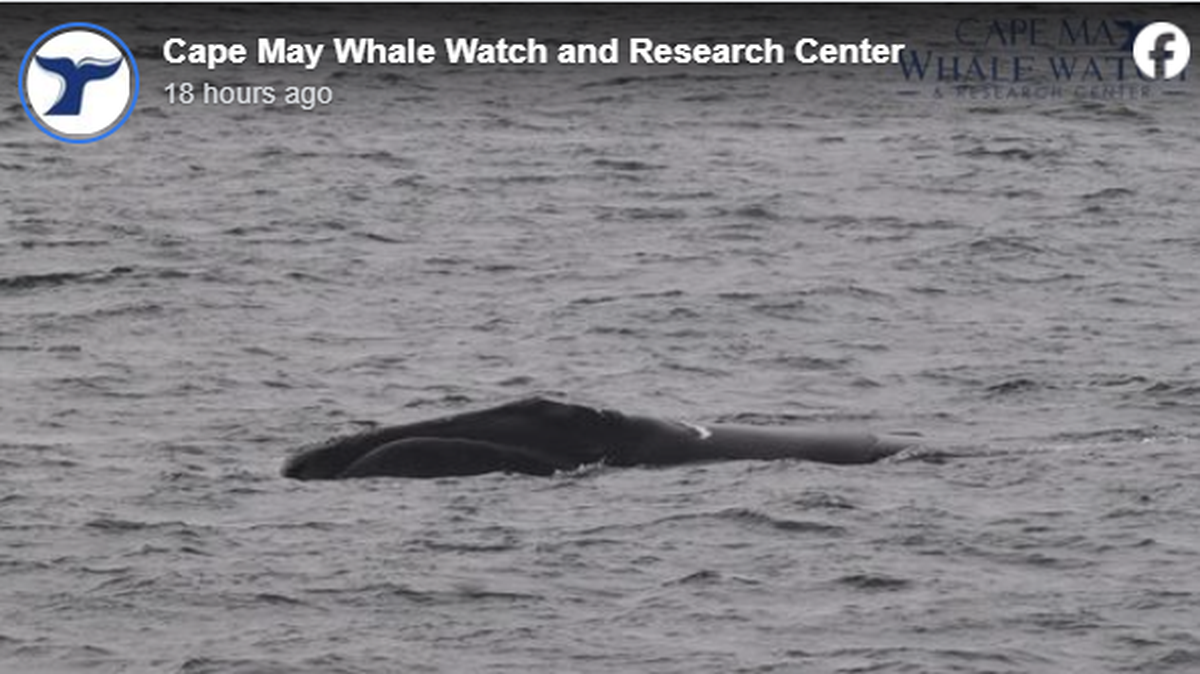
During a three-hour-long watch for whales, dolphins and birds, wildlife experts off the coast of New Jersey made a tremendous observation.
They spotted a very rare North Atlantic Right Whale, an endangered species that has about 370 individuals in existence, researchers said.
“We were extremely fortunate to observe a critically endangered North Atlantic Right Whale off our coast,” the Cape May Whale Watch and Research Center said in a Nov. 17 Facebook post.
Researchers said the whale had a healed scar behind its blow holes and was likely on its way south for winter.
The whale was first spotted in 2013 and given a name, Musketeer, by the New England Right Whale Research Program, according to the post. Despite being identified over a decade ago, Musketeer is somewhat enigmatic, as researchers don’t know the whale’s exact age or its sex.
“Maybe she will be one of the females to give birth in 2025!” the center said.
North Atlantic Right Whales
The whales have a “stocky black body,” broad tails and blow spouts shaped like a “V,” and they can weigh up to 140,000 pounds, according to the National Oceanic and Atmospheric Administration.
“You might see these enormous creatures breaching and then crashing back down with a thunderous splash,” the NOAA said.
According to the administration, the whales were nearly hunted to extinction in the early 1890s. Now, they remain some of the “most endangered large whale species” in the world, with vessel strikes and entanglement posing the biggest threats.
The whales mostly live on the Atlantic coast, spending the warmer months in waters around New England and further north before traveling to shallow coastal waters off of the southeastern U.S. each fall, according to NOAA.
“Since the beginning of the year, there have been two other reported opportunistic sightings off New Jersey like the one made on the 17th: February 24 off Sandy Hook and March 14 off Brigantine,” Teri Frady, research communications chief at NOAA Northeast Fisheries Science Center, told McClatchy News.
Opportunistic sightings are those reported by people not involved in surveys, Frady said.
A WhaleMap search showed 40 opportunistic sightings reported off New Jersey in the past 10 years, Frady said.
This story was originally published November 18, 2024 at 2:17 PM.