Tourist disoriented by ‘extreme heat’ dies after car rolls off ledge in Death Valley
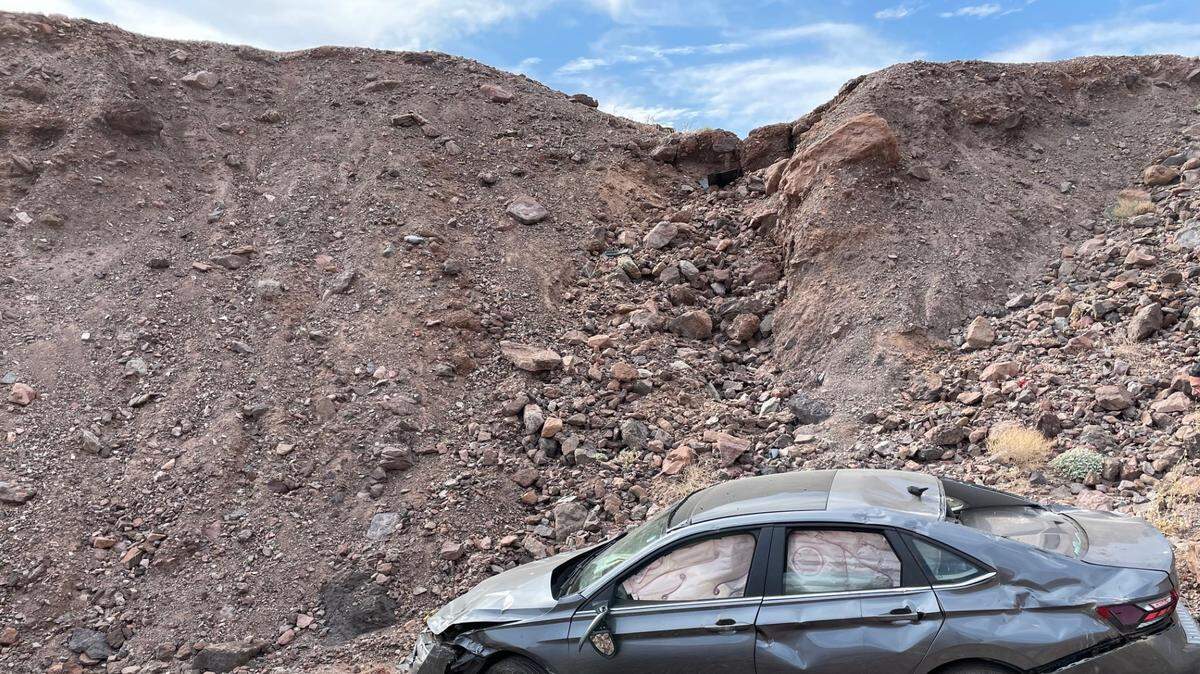
A man died of heat exposure after hiking in “extreme” triple-digit heat, becoming disoriented and driving off a 20-foot ledge in Death Valley National Park, officials said.
Peter Hayes Robino, 57, was visiting the park from the Duarte community in Los Angeles Aug. 1 when he hiked the one-mile roundtrip Natural Bridge Trail in the California park, National Park Service officials said in a news release.
Bystanders saw him stumble as he returned from the hike just before 4 p.m. and offered to help him, but he declined, officials said. His “responses did not make sense,” bystanders said.
“Robino got in his car and drove off a steep 20-foot embankment at the edge of the parking lot,” officials said. “The car rolled over and airbags deployed.”
One bystander left to call 911 as others helped him walk back to the parking lot and into some shade, officials said.
In the 20 minutes it took for emergency responders to arrive, Robino stopped breathing, bystanders told park rangers. EMTs started CPR, moved him into the air-conditioned ambulance and declared him dead roughly 40 minutes later.
The Inyo County Coroner determined Robino died of hyperthermia — overheating from an unusually high body temperature, officials said. Symptoms “can include confusion, irritability and lack of coordination.”
The park’s Furnace Creek weather station recorded 119 degrees that afternoon, officials said.
That’s only a couple degrees cooler than the average high temperature of “a sweltering” 121.9 degrees in July, which was the hottest month ever recorded in the park’s history, officials said in an Aug. 2 release.
The average 24-hour temperature in the park was 108.5 degrees, which beat the previous record of 108.1 degrees in 2018, officials said.
The temperature was 125 degrees — or hotter — for nine days, and there were only seven days that it didn’t reach 120 degrees. The highest temperature recorded was 129.2 degrees July 7.
“High temperatures only tell half the story with overnight lows regularly staying in the high 90’s and low 100’s,” officials said. “The average low temperature of 95.2°F (35.1°C) meant that there was little relief overnight.”
Park rangers handled multiple “life-threatening heat-related incidents in July,” including one death and another situation where a man lost his flip flops and severely burned his bare feet walking on the sand dunes in 123-degree heat, McClatchy News previously reported.
Rangers warn summer visitors to stay within a 10-minute walk of an air conditioned vehicle or building.
It’s best to avoid hiking after 10 a.m. at low elevations, rangers said, and it’s recommended to hike between November and March since summer temperatures are dangerous in the park’s lower elevations.
Robino was the second heat-related death this summer in the park, officials said.
“My condolences go out to Mr. Robino’s family and friends,” Superintendent Mike Reynolds, who was also one of the EMTs who responded to the incident, said in the release. “His death serves as a reminder not to underestimate the dangers of extreme heat.”
Beating the heat
When temperatures are extremely high, some people’s bodies can have trouble regulating temperature.
In some cases, people can experience heat exhaustion and have muscle cramps, nausea, weakness and cold or clammy skin, according to the Centers for Disease Control and Prevention.
If heat exhaustion persists for too long, however, it can lead to heatstroke, the most serious form of heat injury. People experiencing heatstroke can have hot, red, dry or damp skin. They also can have a fast and strong pulse, and they can become confused. People should move indoors immediately and call 911 right away if they have symptoms.
If people choose to hike or be outdoors in dangerously hot temperatures, officials recommend the following tips:
Carry and drink plenty of water and plan to replenish electrolytes.
Eat twice as much food as normal and have salty foods on hand.
Carry a first-aid kit.
Pack essentials only.
Bring a flashlight with spare batteries to hike during the cool evening.
Spray yourself with water to cool down.
Have a hat and sunscreen as protection from the sun.
Have a whistle or signal for emergency use.
Wear waterproof clothing.
This story was originally published August 13, 2024 at 3:36 PM with the headline "Tourist disoriented by ‘extreme heat’ dies after car rolls off ledge in Death Valley."