
When’s the best time to watch the Perseids: ‘the most romantic sky event of the year’?
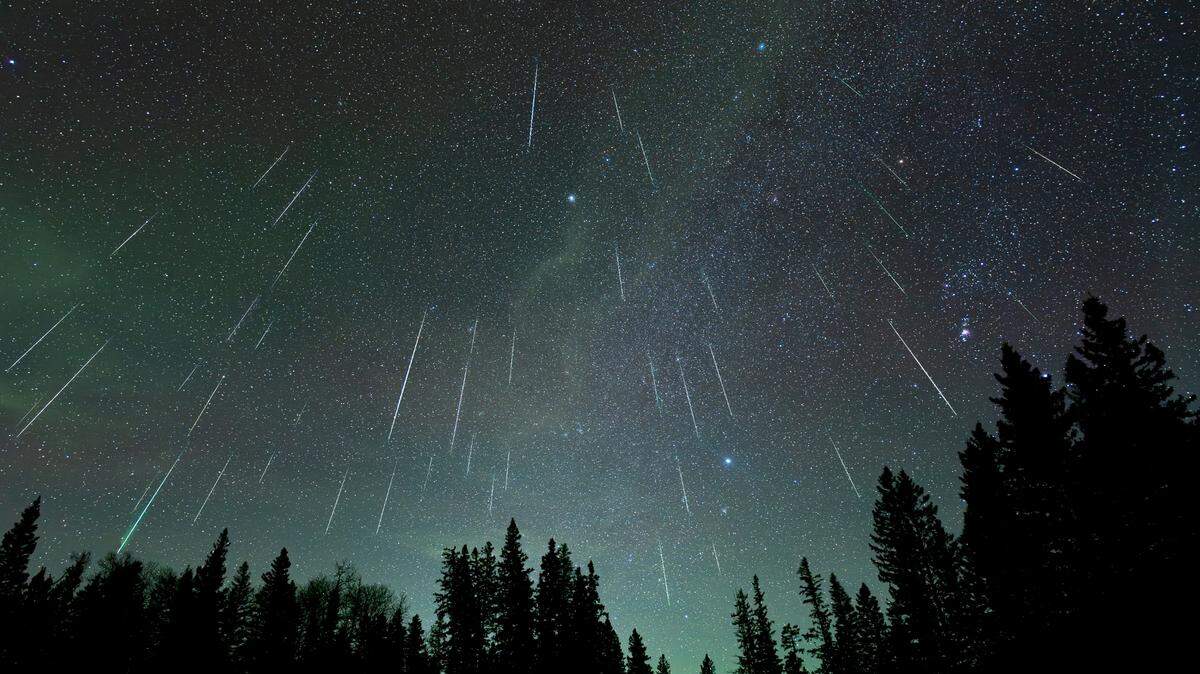
The Perseid meteor shower will be lighting up the sky soon. So when’s the best time to watch?
On TikTok, meteorologist Todd Gross called the celestial event “the most romantic sky event of the year.”
According to EarthSky.org, while the Perseid meteor shower began on July 14 and lasts till Sept. 1, starting around midnight on Aug. 12 will be one of the best times to look up.
On Aug. 12, the “1st quarter moon sets around midnight, so you’ll have dark skies after then until dawn,” EarthSky.org reports, making it the perfect opportunity to see the meteor shower.
NASA said the peak will last from the night of Aug. 11 through the morning of Aug. 12, adding that there will be “good seeing to be had the nights before and after.”
“Now look, here’s the story. If you are going to be heading out on Sunday night to see the Perseids, you’ll want to look high in the northern sky,” Gross explained in his video, confirming that the best way to see the Perseids is by finding a northern horizon with no trees blocking your view.
“The less trees the better for the Perseid meteor shower because you’re looking for between 50 and even as much as 100 shooting stars per hour, if you’re in truly dark skies.”
Gross also added that, “if you can get to a dark suburban or rural sky and look to the north, you may have another treat, indeed. Not just the Perseid meteors, but especially in the northern United States and southern Canada, there may be a pink glow to the sky. There’s even a chance of an aurora borealis on Sunday night.”
According to NASA, the Perseid meteor shower is ”considered the best meteor shower of the year. With swift and bright meteors, Perseids frequently leave long ‘wakes’ of light and color behind them as they streak through Earth’s atmosphere.”
“The Perseids are one of the most plentiful showers with about 50 to 100 meteors seen per hour,” NASA confirms.