
Decaying shark on Rhode Island beach among world’s most vulnerable species, experts say
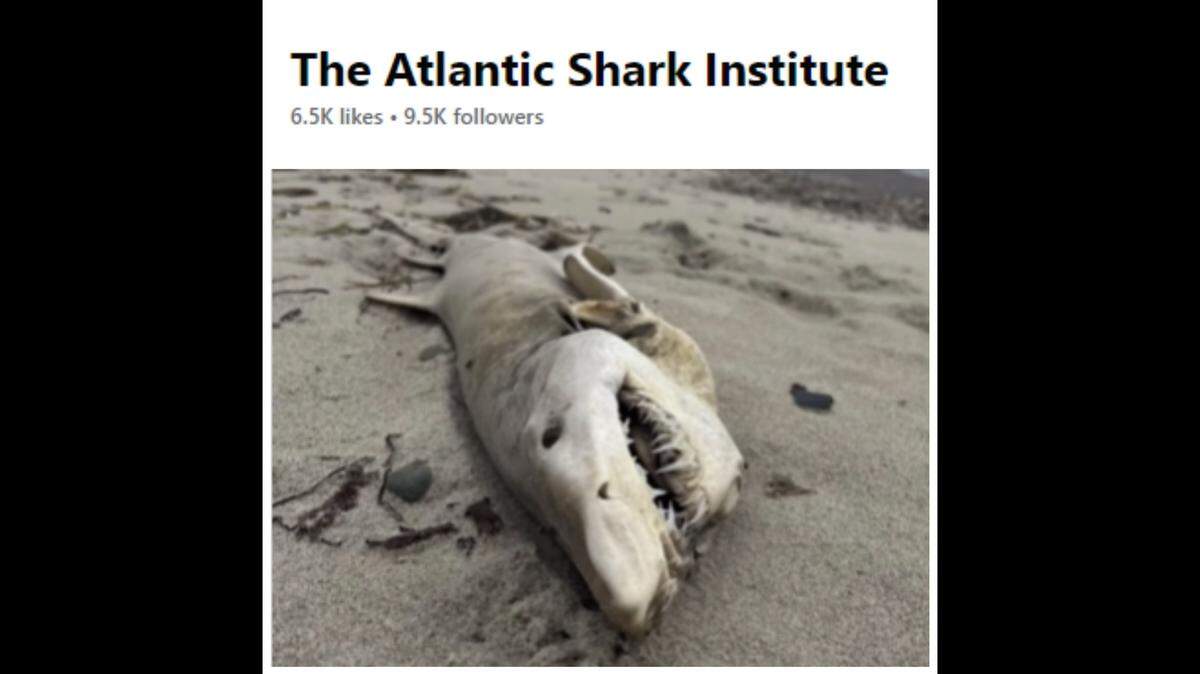
A withering shark found on a beach in Rhode Island has been identified as one of the world’s most vulnerable species — the sand tiger shark.
It was discovered the first week of June by a passerby on Tappens Beach in Little Compton, according to a June 9 news release from the Atlantic Shark Institute. Little Compton is about a 35-mile drive southeast from Providence.
“Sand tiger sharks are critically endangered according to the International Union for Conservation of Nature (IUCN), with a decreasing population, and each one is really important for researchers to gain information from,” the institute reported.
“The shark was retrieved (June 6) in darkness before the tide could take it back out by (National Oceanic and Atmospheric Administration) staff.”
It is now in a freezer at NOAA’s Apex Predator Lab in Narragansett, Rhode Island, and a necropsy is planned.
The shark was a male, just over 3 feet long and likely less than a year old, NOAA officials told McClatchy News.
A cause of death hasn’t been determined, according to research fish biologist Michelle Passerotti of the Apex Predators Program/NEFSC Narragansett Lab.
“The shark looked like it had been dead for at least a day or two when it was reported based on the condition of the carcass, which can make it more difficult to gain meaningful information,” Passerotti said in an email.
“But the tissue samples we collect from these types of mortalities are very valuable for use in further research studies.”
The lab responds to all shark strandings throughout New England, many of which are reported by citizens.
Sand tiger sharks are globally listed as a vulnerable species, but numbers have reached endangered status in some regions, according to the National Aquarium.
“The sand tiger shark has one of the lowest known reproductive rates among sharks, giving birth to only one or two large pups every two to three years,” the aquarium reports.
“As a result, their population growth and recovery from over fishing are slow.”