
Tiny mouse thought extinct for 20 years is center of California zoo’s new project
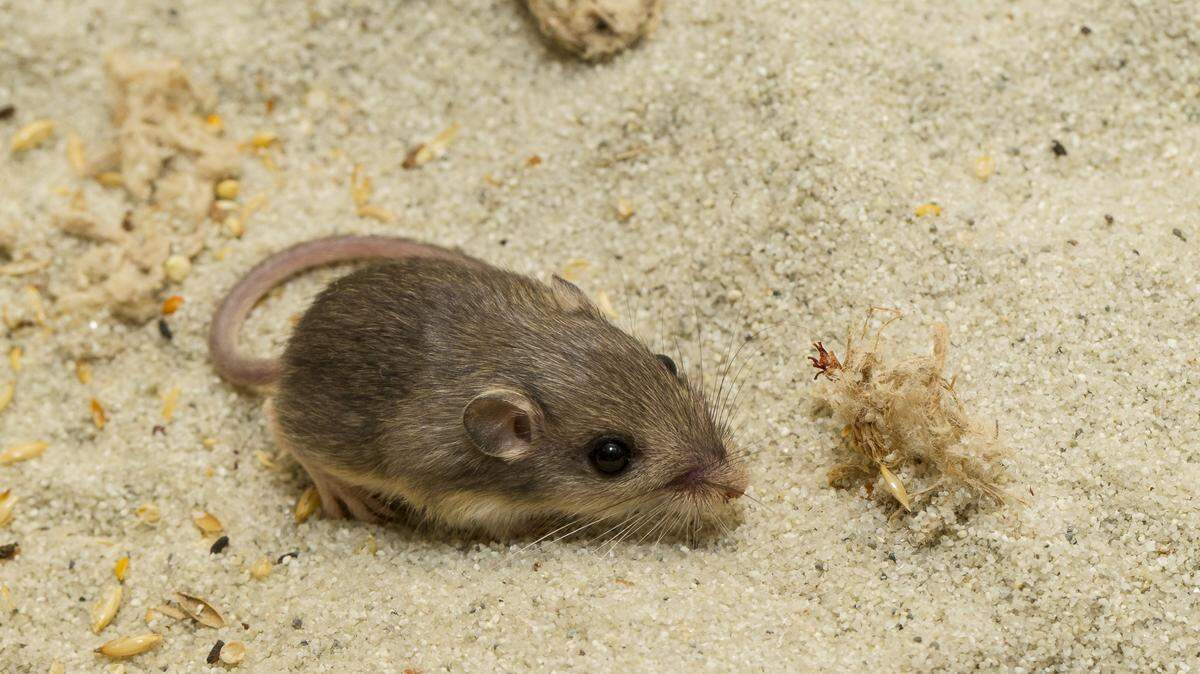
The San Diego Zoo Wildlife Alliance is partnering with other organizations to revive a mouse species that used to thrive near the California coast.
According to a May 30 news release, the zoo, alongside the U.S. Fish and Wildlife Service and the California Department of Fish and Wildlife, reintroduced a group of endangered Pacific pocket mice outside active training areas on Marine Corps Base Camp Pendleton, north of San Diego. This was the final stage of a breeding and reintroduction program that was initiated to save the species in 2012.
Though breeding and releasing mice populations may sound odd to some, this species of mouse is valuable to the surrounding ecosystem, experts say. On the brink of extinction, the Pacific pocket mouse has long been the focus of conservationists.
Before 1932, the Pacific pocket mouse was abundant in California, playing an important role for plant life by dispersing seeds and encouraging growth.
However, human activity changed that.
Since 1932, the Pacific pocket mouse population took a massive plunge, eventually presumed to be extinct for 20 years.
Then, a small group of these mice were found in 1993 in Orange County. The U.S. Fish and Wildlife Service listed the animal as “endangered” under the Endangered Species Act in 1994. In 2012, the conservation project began its 12-year journey.
Now, conservationists hope to have successfully reversed the mouse’s downfall.
“This is the second reintroduced population, which brings us a step toward recovery of the species,” said Debra Shier of the San Diego Zoo Wildlife Alliance.
The success of this project is a harbinger of good things for other endangered species, experts say.
“To be successful at recovering species in Southern California, we need projects such as the reintroduction of the Pacific pocket mouse,” said Scott Sobiech from the U.S. Fish and Wildlife Service.
This story was originally published May 31, 2024 at 2:24 PM with the headline "Tiny mouse thought extinct for 20 years is center of California zoo’s new project."