
Searing heat threatens ancient structures as brittle cliffs fall in New Mexico park
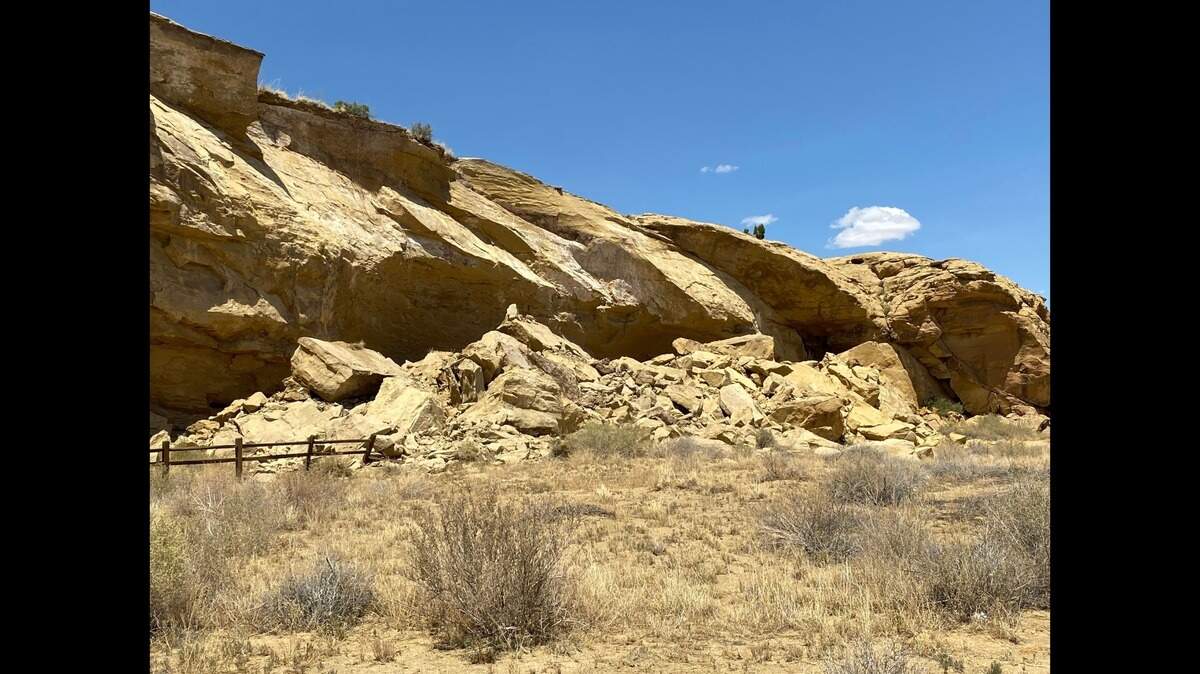
It started with a popping noise, like a shotgun being fired, then the rumbling began.
Large chunks of a 50-foot-tall cliff in New Mexico’s Chaco Culture National Historical Park began to fall, sending boulders the size of refrigerators within feet of picnic tables at the Gallo Campground.
Six days later, on July 27, it happened again.
Now, indefinite campsite and trail closures are in place as the World Heritage Site contends with a surprising and potentially disastrous consequence of the nation’s record-setting heatwave.
It’s so hot, cliffs that have protected ancient structures for centuries are cracking apart.
“It is clear ... the rock temperature in the area is hitting its annual high,” geomorphologist Eric Bilderback told park officials in July.
“There have been high rock temperatures at 10 cm (3.9 inches) depth of over 40 degrees C (104° F) this month starting on the 13th of July. Rock temperature has been daily cycling between about 25° and 40° C (77-104° F), this can certainly drive rock fracture.”
Rock temperatures typically fall in August, he added, but “who knows this year.”
World heritage threatened
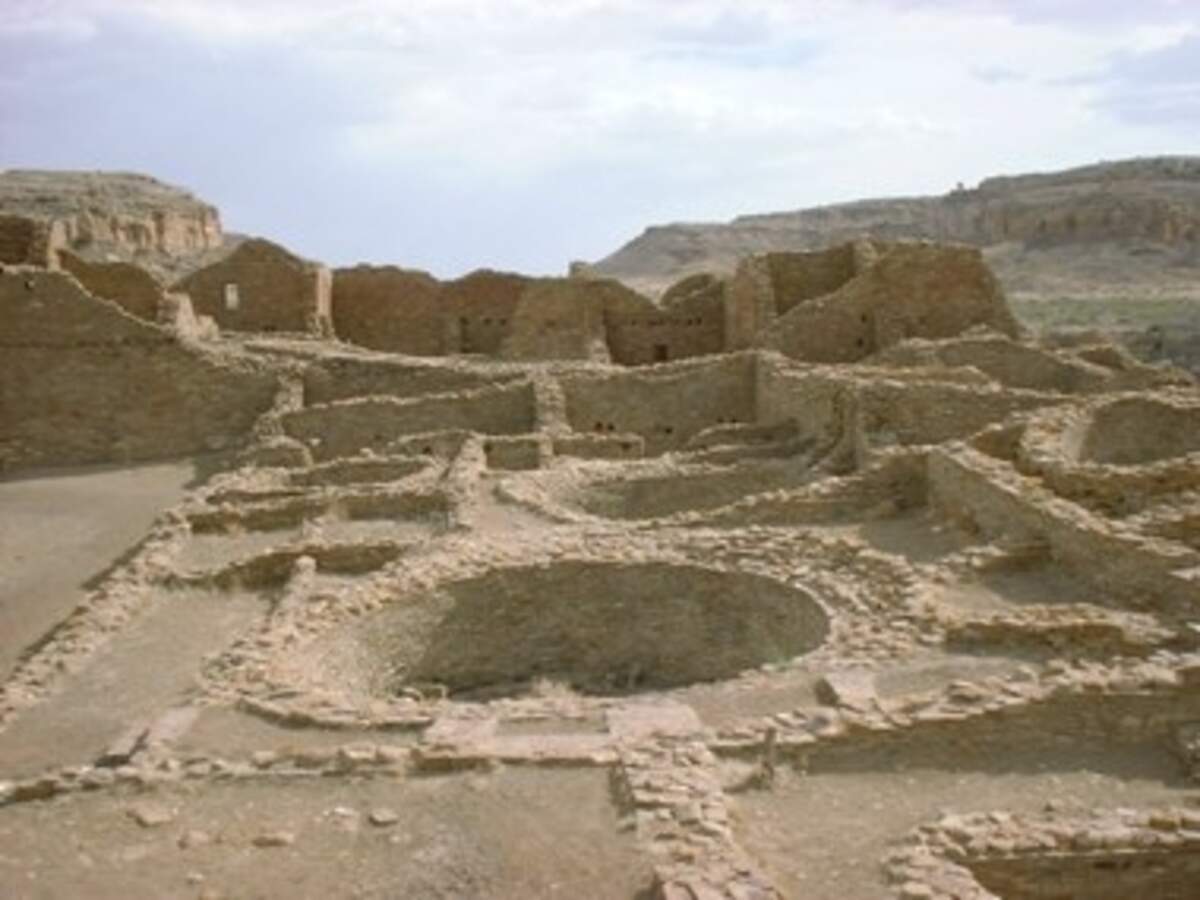
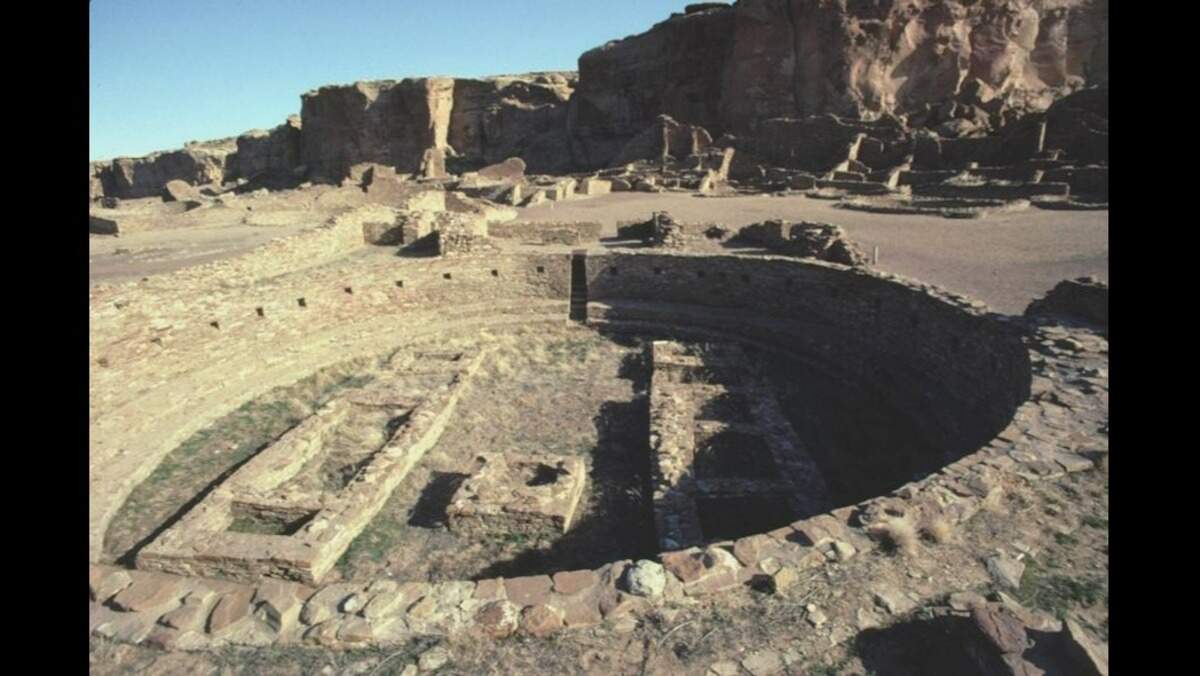
Chaco Culture National Historical Park, 150 miles northwest of Albuquerque, protects a series of structures that “are among the most compelling ancient monuments on earth,” according to a study published in 2007.
Many were built along the cliff walls and the National Park Service says at least five are at risk if rocks start falling in other areas of the park.
Pueblo peoples occupied the region for more than 2,000 years and their structures in Chaco Canyon have been dated to “between AD 850 and 1130,” experts say. The canyon walls are also known to hold ancient petroglyphs.
“Chaco is remarkable for its monumental public and ceremonial buildings and its distinctive architecture — it has an ancient urban ceremonial (center) that is unlike anything constructed before or since,” UNESCO reports.
One archaeological site, a small structure built in the 1130s, is near the crumbling cliff at Gallo Campground, but it was not damaged, park officials say.
The campground was occupied by tourists at the time of the rockfall, but sites near the cliff were vacant — largely due to the heat, according to Nathan Hatfield, Chief of Interpretation at the park.
“Had those sites been occupied, people could have been injured,” he says. “Some of the boulders were big enough that, had they landed on someone, the person could have been crushed.”
Heat and rockfalls
Summer 2023 has been marked by triple-digit temperatures and the Southwest suffered the worst due to “a heat dome” that trapped sweltering air over large areas, NASA scientists say.
“The desert Southwest is known for its heat, but the duration of the recent extreme temperatures has far surpassed previous records,” NASA’s Earth Observatory reports.
National Park Service officials are hoping seasonal monsoons will help lower rock temperatures, but it’s a wait-and-see situation, Hatfield said.
Geomorphologist Bilderback reports the rock that fell on July 21 and July 27 was “an exfoliation slab, a large flat or curved sheet of rock.”
“The slab (was) likely pinned or attached to other parts of the sandstone at points, but as the rock heats up, it expands, putting stress on those pinned points and driving additional fracture,” he said.
“I do agree with closure of the at-risk sites (in case there is a fall) for some amount of time to let the rock mass equilibrate.”
The catastrophic potential was illustrated in 1941, when a “30,000-ton block of sandstone” fell on top of the famous prehistoric “great house” Pueblo Bonito, the park service reports.
“Big chunks of the 100-foot high rock, some of them as large as a small residence, fell into (the more than) 600-room pueblo, demolishing much of the stabilization work that a Navajo Indian CCC Unit had recently completed on the 1,000-year-old structure,” NPS reports.
“A 50-year-old Navajo, sharing the belief of some of his tribesmen that the world would end when the rock came down, crouched in his tent and cried.”
If the cliffs cool sufficiently, most of the camping areas will reopen. However, concerns remain over what lies ahead if the planet continues to warm, Hatfield said.
“We’re hearing this is one of the warmest summers on recorded history around the planet,” he said.
“If that trend continues, we could see more rockfalls. We’re paying close attention to what climate change might do and we’re trying to get ahead of curve.”
This story was originally published August 3, 2023 at 8:12 AM with the headline "Searing heat threatens ancient structures as brittle cliffs fall in New Mexico park."