
Cold snap sends bats plunging to the ground in New York’s Central Park
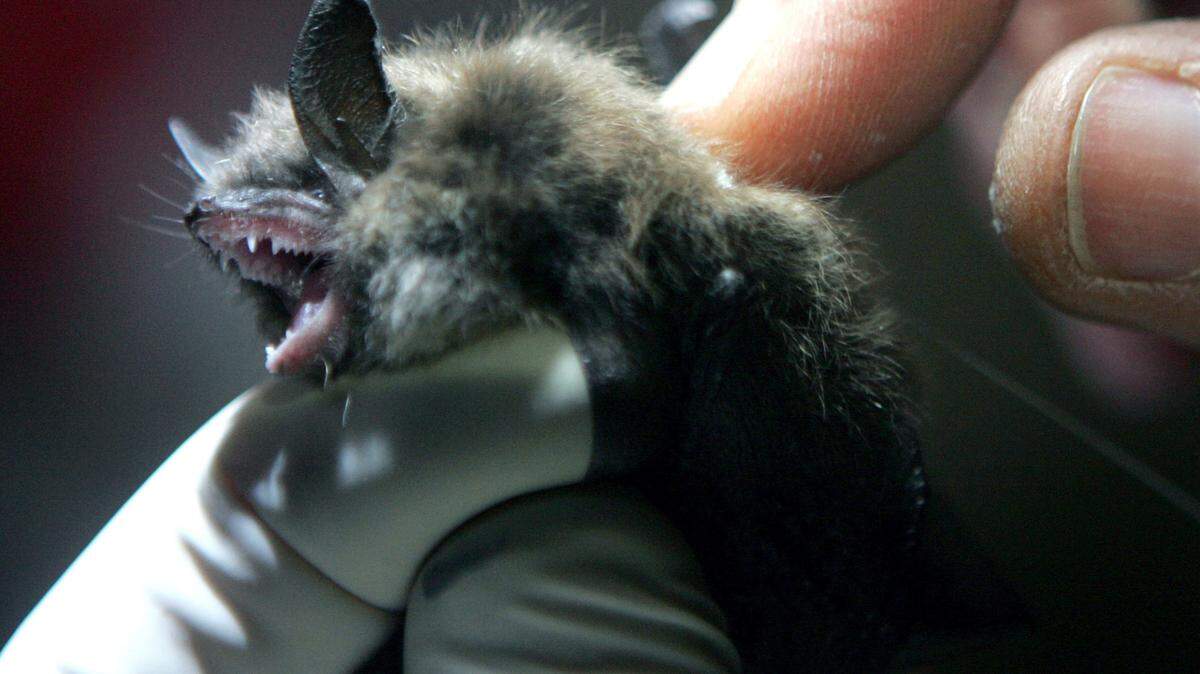
The leaves aren’t the only thing falling from the trees in New York’s Central Park. Frigid bats have been spotted on the ground as well, park officials said.
The average temperature in the Empire State dropped by nearly 30 degrees over the past month, and the bats, shocked by the sudden change, have been plummeting from their perches, according to a Nov. 16 statement on Twitter from the Central Park Conservancy.
Park officials urge people who encounter fallen bats to leave them alone, according to the statement.
“This behavior isn’t uncommon during the fall as temperatures fluctuate drastically,” the Parks Department stated. “It gets too cold for their muscles and their activity slows. As temps rise throughout the day, so will their body temperature. Please report bats in need of care to our park rangers.”
Nine species of bat live in New York State — six cave dwelling species and three which live year-round in trees — according to the state’s Department of Environmental Conservation. Central Park’s “sprawling meadows, woodlands, and water bodies” are crucial to their health, the conservancy’s website states.
The park’s bats are often mistaken for birds or dried up leaves hanging from trees, the website states, adding that developing an eye for bats takes time.
The recent cold front is far from the largest concern for the airborne mammals. They are facing a fungal disease called white-nose syndrome, which has decimated bat populations across the country. The disease wiped out upwards of 90% of three North American bat species in less than a decade, according to a study published in Conservation Biology.