
You could see up to 100 meteors an hour — if the moon doesn’t cause trouble, experts say
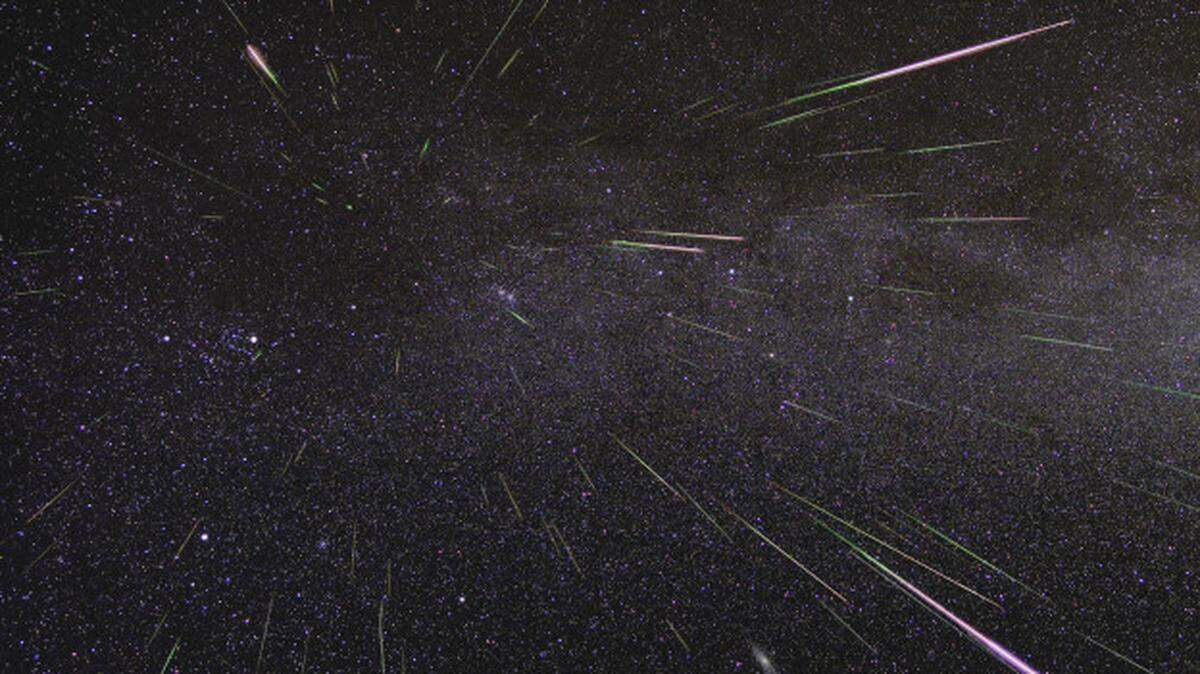
A meteor shower that usually has up to 100 shooting stars an hour will peak this weekend — but there’s a challenge.
The Perseids meteor shower is known to be one of the “most vivid” yearly showers, according to NASA. During its peak, some people typically see between 50 and 100 meteors an hour.
This year, however, the month’s full moon will create a challenge for stargazers.
“Sadly, this year’s Perseids peak will see the worst possible circumstances for spotters,” NASA astronomer Bill Cooke said in a blog post. “Most of us in North America would normally see 50 or 60 meteors per hour. But this year, during the normal peak, the full Moon will reduce that to 10-20 per hour at best.”
The meteor shower will peak Aug. 12 and 13, according to NASA. But sky watchers could have better luck trying to see meteors earlier than that.
Experts said the best time to see the Perseids is in the early hours of the morning and before dawn, according to EarthSky.
“Find the darkest spot possible in your location, bring a lawn chair and snacks to stay comfortable, and try to go out around 2 a.m. local time to get the best view,” Space.com reported. “Give your eyes plenty of time (20 minutes or so) to adjust to the darkness.”