Veterinarian helped trainers win $47 million with custom drugs for racehorses, feds say
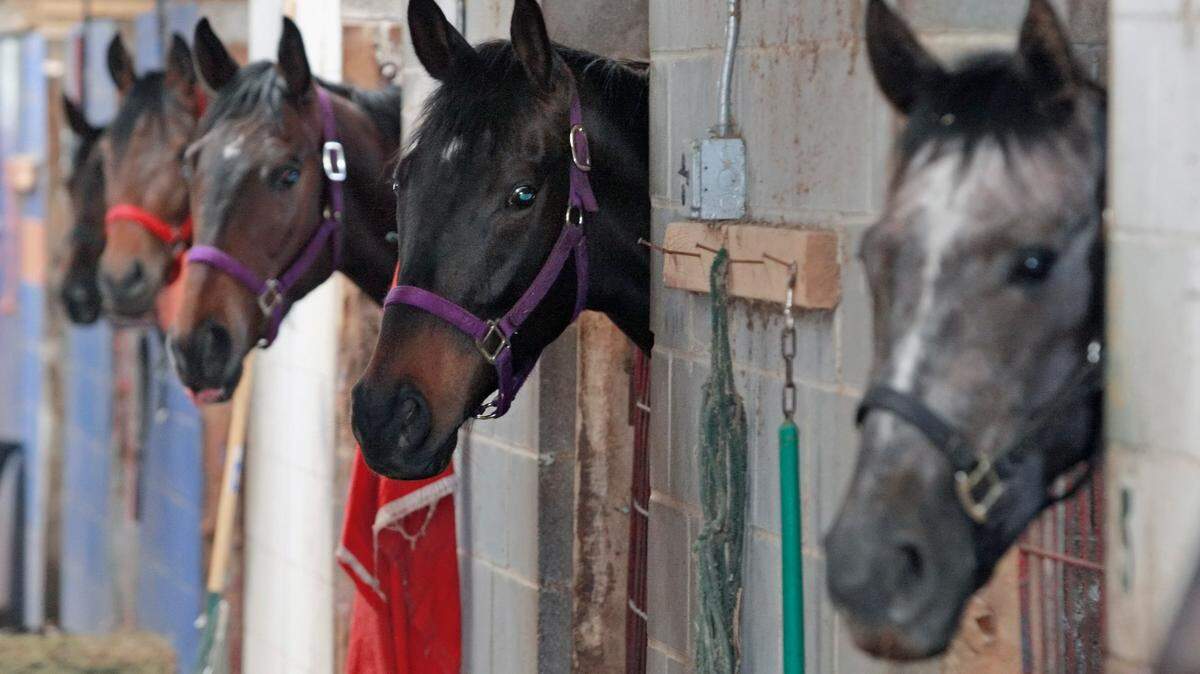
A New York veterinarian participated in a scheme with trainers and distributors to make and sell illegal performance-enhancing drugs to give to racehorses ahead of competitions, authorities said.
Prosecutors say the veterinarian helped racehorse trainers win over $47 million.
Louis Grasso, a veterinarian licensed in New York and New Jersey, pleaded guilty to his role in the distribution of adulterated drugs on May 11, according to a news release from the U.S. Attorney’s Office for the Southern District of New York.
Glenn Garber, Grasso’s defense attorney, did not immediately respond to a request for comment from McClatchy News on May 11.
In a memorandum filed in support of his client, Garber said the case against Grasso was “an overzealous effort to clean up the horse racing industry” from the government, worth at most civil sanctions.
In total, Grasso and other individuals involved in the scheme manufactured and sold at least thousands of units of drugs issued by pharmacies with bogus prescriptions provided by veterinarians, court documents obtained by McClatchy News show.
The government said professional horse racing is a $100 billion industry that is subject to numerous regulations in the United States to protect horses and ensure fair competition. Among these regulations is the ban of performance-enhancing drugs (PEDs).
“In peddling illegal drugs and selling prescriptions to corrupt trainers, Louis Grasso abdicated his responsibilities as a medical professional to ensure the safety and health of the racehorses he ‘treated,’” U.S. Attorney Damian Williams said in the release.
Starting in 2017 and through February 2020, Grasso supplied, modified and mislabeled PEDs to horse trainers across the U.S., court documents show.
Prosecutors said the custom-made drugs created by Grasso were dispensed without valid prescriptions and were not approved by the FDA to use on animals.
The drugs given to the racehorses included “blood building substances” that stimulate endurance and speed up recovery, analgesics that mask physical pain and injuries, “breather” drugs that increase a horse’s oxygen intake to lessen fatigue and other drugs that can lead horses to overexert and injure themselves, court documents show.
In one instance, when discussing with a trainer a horse that had died after being given a PED, the veterinarian stated that “it happens,” that the horse’s trainer had “probably over juiced him” and that the suspected cause of the horse’s death was not uncommon, according to court documents.
”I’ve seen that happen 20 times,” he said, according to court documents.
Prosecutors said the drug in question was similar to a “bleeder,” which is used to “reduce bleeding in a horse’s lungs during periods of exertion.”
To avoid raising suspicions from pharmacies and regulators, prosecutors said Grasso and other individuals involved in the scheme used fake prescriptions sometimes listed under the patient files of dogs — when the drugs were used illegally on racehorses.
Grasso now awaits his sentencing scheduled on Sept. 6, according to the release.