Pluto should be a planet, and so should 100 other celestial bodies, scientists say
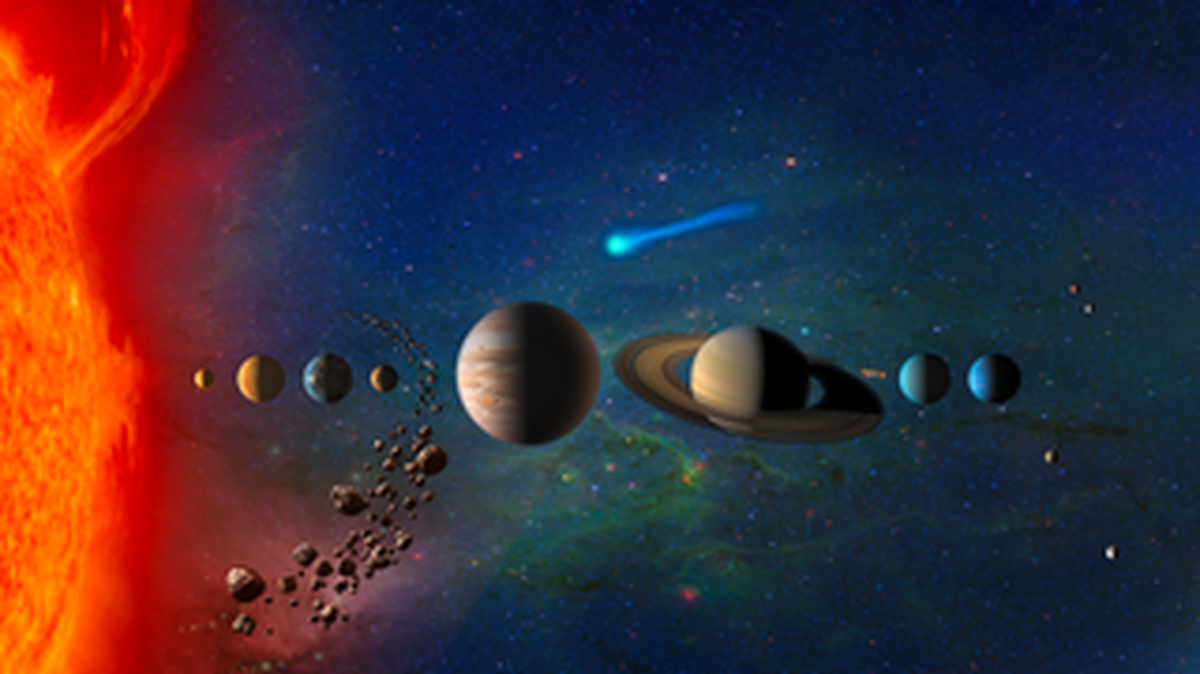
A group of scientists is calling for Pluto to be re-classified as a planet, and for hundreds of other celestial bodies in the solar system to be given the title as well, a five-year study says.
The scientists say in the study published in the Icarus science journal that the definition of a planet was rushed in 2006 and has evolved to include other large bodies in space, including moons.
According to the study, scientists “complacently accepted the folk concept” of astrology, instead of depending on the scientific view that had been understood for centuries.
The concept that moons are not planets came from astrology from the 1800s, the study argues.
During the meeting of the International Astronomical Union (IAU) in 2006, Pluto was determined to be a dwarf planet instead of a full-sized one. They determined that full-sized planets must be “gravitationally dominate” and therefore be the only body of a similar size in its orbit.
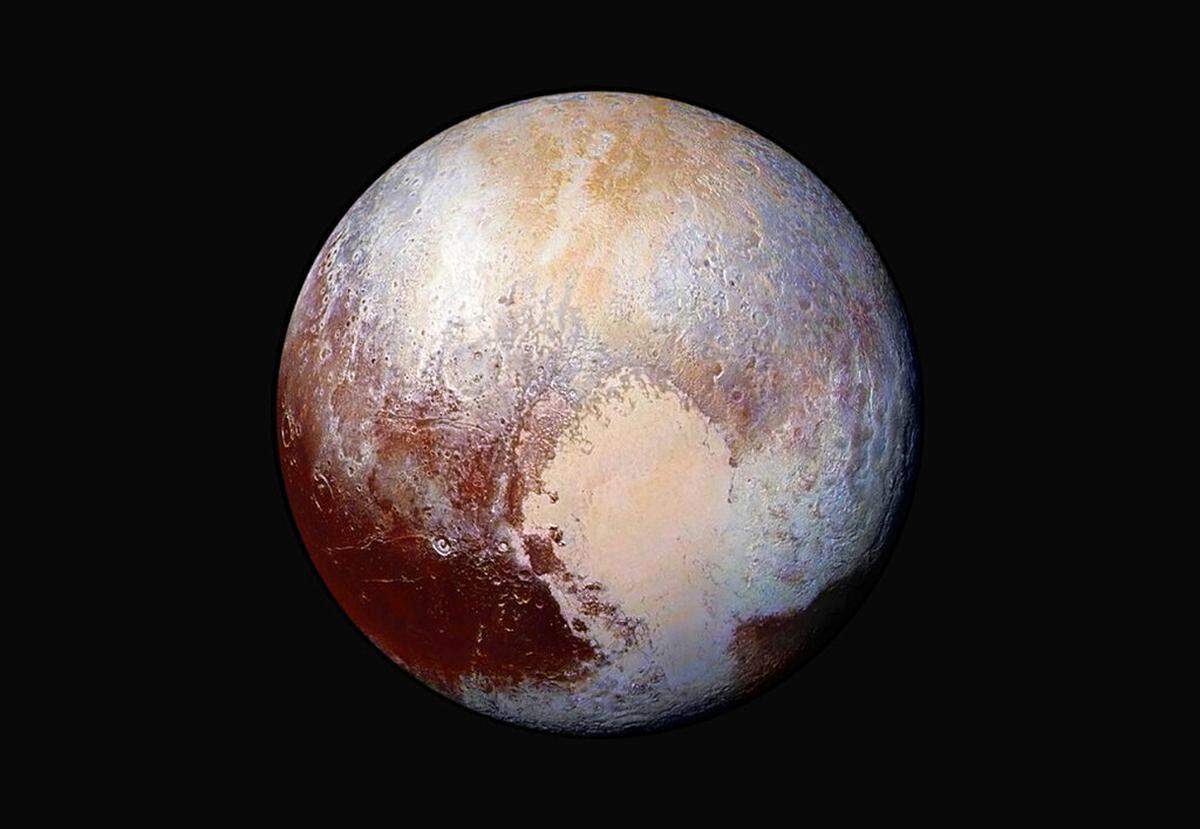
Pluto did not make the cut as a full-sized planet because it shares its area in space with “Kuiper belt objects.”
Two other qualifications were determined by the astronomers to classify a planet: The body must orbit the sun, and have the mass to be nearly round in shape.
Now, the team of astronomers argues that Pluto, and other similar celestial bodies, should be classified as planets, and that the 2006 definition should be reversed to a 16th century definition. That definition required a planet to be any “geologically active body in space.”
According to the study, “the idea that the planets must be few, monocentric, and orderly was not developed by scientists to cohere with any theory.”
Additionally, the study’s authors say the definition of a planet from 2006 did not receive a proper consensus, and was decided after “only a few days of debate” and forced scientists to choose a side.
“We think one of the reasons there was no consensus was because the issues that we now discuss in this paper have been largely unknown to the modern astronomical community,” the study said. “Driving out these types of issues takes a lot of time — decades or longer.”
The astronomers note that none of the planets have all of the geological characteristics that classified planets are thought to have, and argue for an “overarching planet concept including all of these diverse bodies.”
This new classification would create over 100 new planets.
One of the study’s authors, Philip Metzger, told NBC that the IAU decided Earth and other planets were “few and special.”
“We think there’s probably over 150 planets in our solar system,” Metzger told the outlet. “We are continuing to call Pluto a planet in our papers, we are continuing to call Titan and Triton and some other moons by the term ‘planet’. Basically, we are ignoring the IAU.”
This story was originally published January 4, 2022 at 4:07 PM.