
Hundreds of eerie 3-eyed tadpole shrimp emerge after monsoon fills Arizona monument
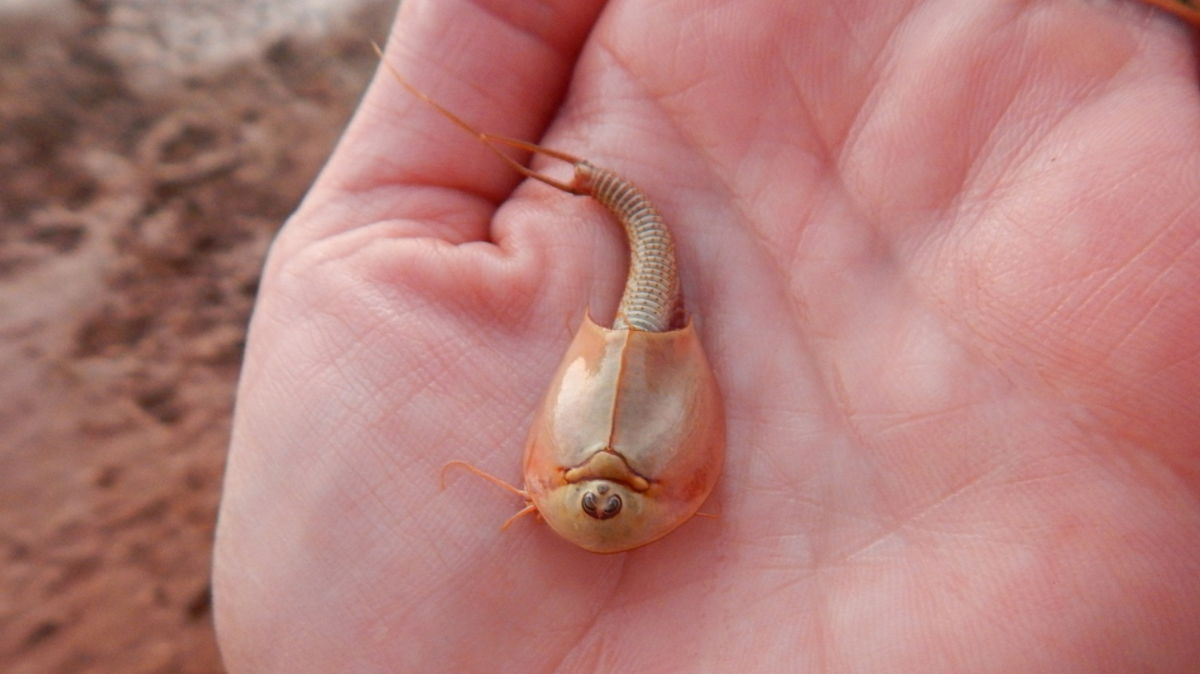
These three-eyed tadpole shrimp may as well belong in the Pokemon universe.
Hundreds of prehistoric shrimp were found inthe Wupatki National Monument in Arizona after a monsoon filled the historic site’s ball court, park officials reported on Facebook in early August.
Formally known as triops, the eerie-looking “crustaceans evolved over 350 million years ago during the Devonian period and have remained relatively unchanged” in appearance, according to Central Michigan University.
It’s a waiting game for the horseshoe crab look-alikes, Wupatki National Monument officials said.
Their eggs can lie dormant for long periods of time in dry conditions until enough rain falls to create a large pool of water for them to hatch, according to park officials.
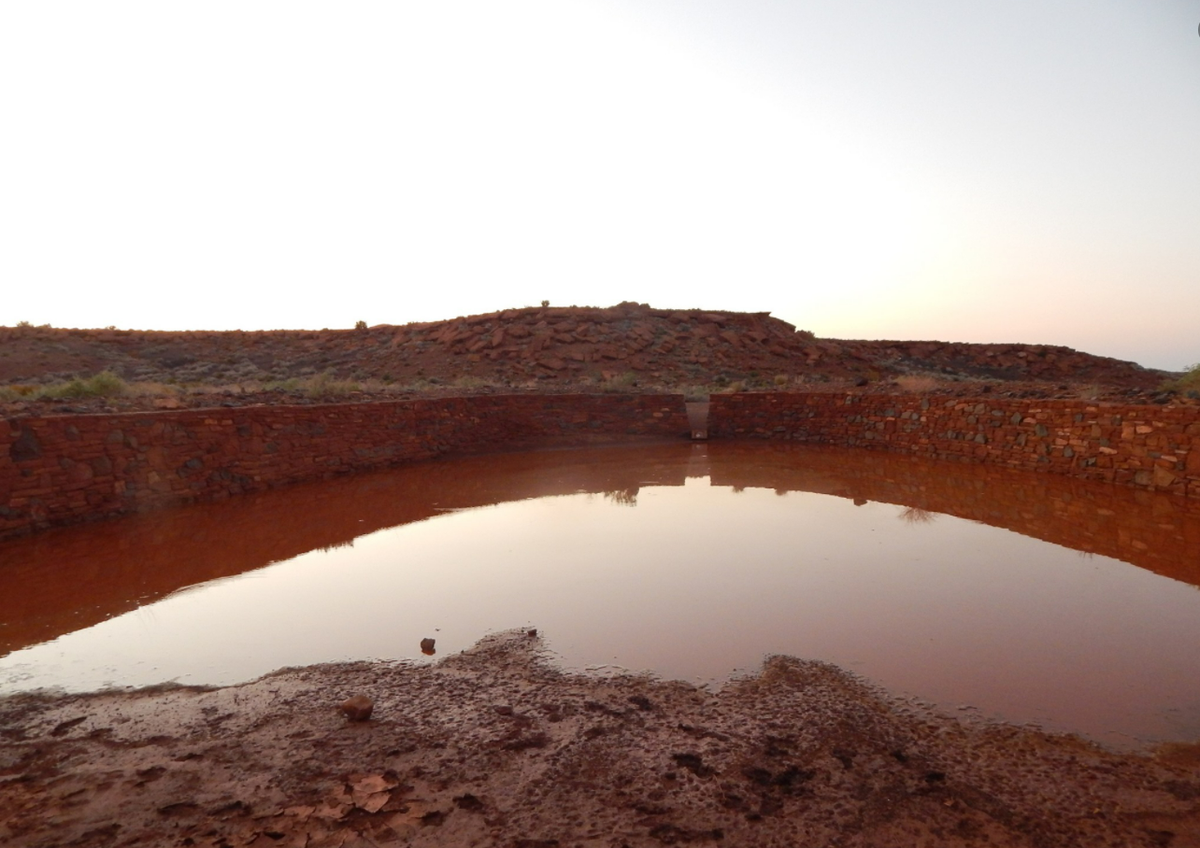
“Then they gorge themselves, grow to adulthood in just over a week, breed, and lay more eggs to repeat the cycle,” park officials said.
Triops’ are so uncommon that the monument’s staff weren’t sure what they were when they were first spotted and had received reports they were tadpoles.
“This would not be unusual since the recent rains have brought up the toads from their underground burrows,” officials said. “However, upon investigation by rangers we found something entirely different and somewhat unexpected.”
Triops usually live in freshwater ponds in “Africa, Australia, Asia, South America, Europe, and some parts of North America,” according to monument officials.
They range in size from 10 to 40mm ― and their peach-colored bodies have a crest-shaped torso with a curvy tail, according to Michigan State University.
But what makes them most unique is their third eye, which lies in the middle of their two buggy-looking ones.
These critters can also have both male and female sex organs, the university added.
This story was originally published October 7, 2021 at 6:27 PM with the headline "Hundreds of eerie 3-eyed tadpole shrimp emerge after monsoon fills Arizona monument."
.png)