
Obit of heroic white civil rights leader brings back memories, both painful and proud
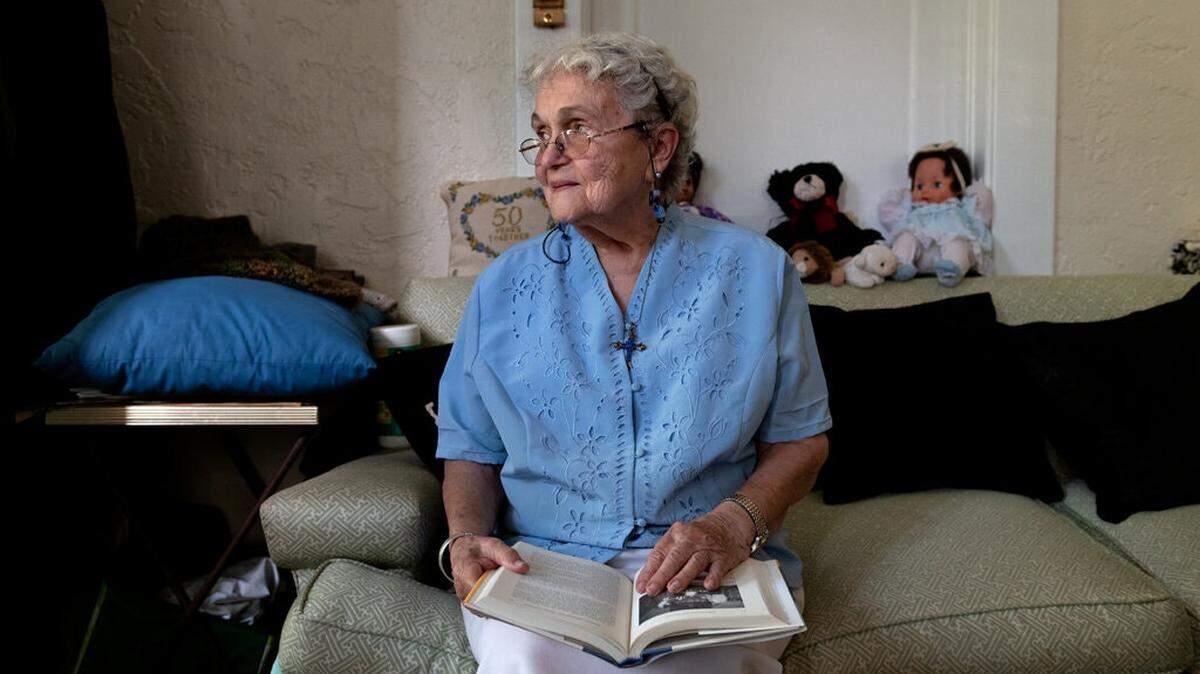
Like many of you in my age group, I usually turn to the obituaries in the newspaper before I read anything else. The other morning, as I was scanning the obituary page I saw a death notice for Jean Graetz, 90. The name didn’t ring a bell in my memory. I never heard of her. But the headline piqued my interest. It said: White supporter of civil rights in Alabama in 1950s.
I repeated the headline out loud. Taking such a stand could not have been easy for her, or her family, I thought. As I read on, I learned that she lived in Montgomery at the time, was the wife of Robert, a Lutheran pastor, sent to Montgomery to be the spiritual leader of the predominantly Black church. Robert preceded her in death by three months.
Black Lutherans in the middle of the Southern Bible Belt was a rarity back then. Having a white minister to shepherd the congregation was even more so. But together the couple was dedicated to their beliefs of equal rights and they forged on.
I read through the article, going back over certain parts a second time. My mind carried me back to the days of the civil rights movement and Rosa Parks and Dr. Martin Luther King Jr. Montgomery was where Parks, called the mother of the civil rights movement by many, had refused to give up her seat on a public bus to a white man, sparking the bus boycott that followed and later igniting a movement for equal justice that was heard around the world.
Graetz was among the women who planned the year-long bus boycott, which propelled Dr. Martin Luther King, Jr. into the spotlight of the civil rights movement. Sympathizers to the boycott lent cars to be used as transportation for Blacks. An empty lot behind their house was used to park the cars.
Graetz and her husband were not the only whites to lay down their lives - so to speak - for the cause of justice for all. They would pay a high price for their friendship with Blacks back then, and for their involvement in the movement. There would be obscene phone calls, threats on their lives that included multiple bombings and slashed car tires. Some others would actually die for the cause of civil rights.
I finished reading the article, but my mind wouldn’t stop. I thought back to the times when, though our country was winding its way through a tumultuous and scary time, some people were not afraid to stand up for what was right. They came from many ethnic groups, from around the country. Back then we fought the good fight of faith together, arm-in-arm. Was there fear? Yes. There was plenty to be scared about. Yet, Robert Graetz donated a room in Trinity Church to Parks, who was a neighbor at the time, so she could hold local NAACP meetings.
Reading Jean Graetz’s obit and learning a bit about her life and contributions to American humankind brought me back to the present. It seems that we are waging the same war again. During the early days of the struggle for equal rights, the strife of the 1950s carried over into the decade of the 1960s. Blacks and whites were being beaten and killed, for something as simple as having the right to vote.
White people like Wiliam Lewis Moore, a postman who was shot and killed during a one-man march against segregation in Attalla, Alabama. Moore was trying to deliver a letter to then-Gov. Ross Barnett of Mississippi, urging him to end segregation.
Or like the Rev. Bruce Klunder, who was crushed to death in April 1964 by a bulldozer during a protest of a segregated school in Cleveland.
Or the Rev. James Reeb, a Unitarian minister from Boston, who was killed in March 1965 when he joined the marchers across the Edmund Pettus Bridge - the same bridge where the late Rep. John Lewis was nearly beaten to death as a young man during that demonstration. Reeb was killed by a white mob as he walked down a Selma street following the march.
Or Viola Gregg Liuzzo, a housewife and mom from Detroit who was driving alone to Alabama to help with the Selma March when she was killed. Liiuzzo had been ferrying marchers between Selma and Montgomery when she was shot and killed by Klansmen in a passing car.
And who among us who were around in June 1964 can’t remember when Andrew Goodman and Michael Henry Schwerner, who were white, were killed along with their black friend, James Earl Chaney, by Klansmen while on their way to register Black voters in Mississippi.
Reading Graetz’s obit opened up a wound in my soul, bringing back memories of these martyrs. The wound bleeds afresh whenever I hear of an act of injustice being done to Black men and women at the hands of those who are supposed to protect us. I am comforted, though, when I know that we are not in this fight alone. Just as it was back in the height of the civil rights movement, there are still those whites who are willing to die along with us so that our rights are protected. They are courageous and wise. They know that none is free until all are free.
Today, as we stand on the threshold of a new year, I am seriously concerned about COVID-19 and the more than 300,000 lives that have already been taken. But even in the midst of it there is hope that we will get through this pandemic. And one day, we will look back on this time and marvel at how we got through.
But what concerns me even more than the pandemic is the evil of hate and racism that have permeated our American society for centuries. Like a bad virus, it just keeps on popping its ugly head up, spoiling all the strides we have already made, and trying to make the lives of all who died for the cause of justice -Blacks and whites alike - to be in vain.
Still, with the new year comes the promise of new hope for humankind. So while there is no vaccine to eradicate the pain of hate and racism, we can still bank on hope... and each other.