
Scary ultrasound image of baby shark shows devilish grin and mouth full of teeth
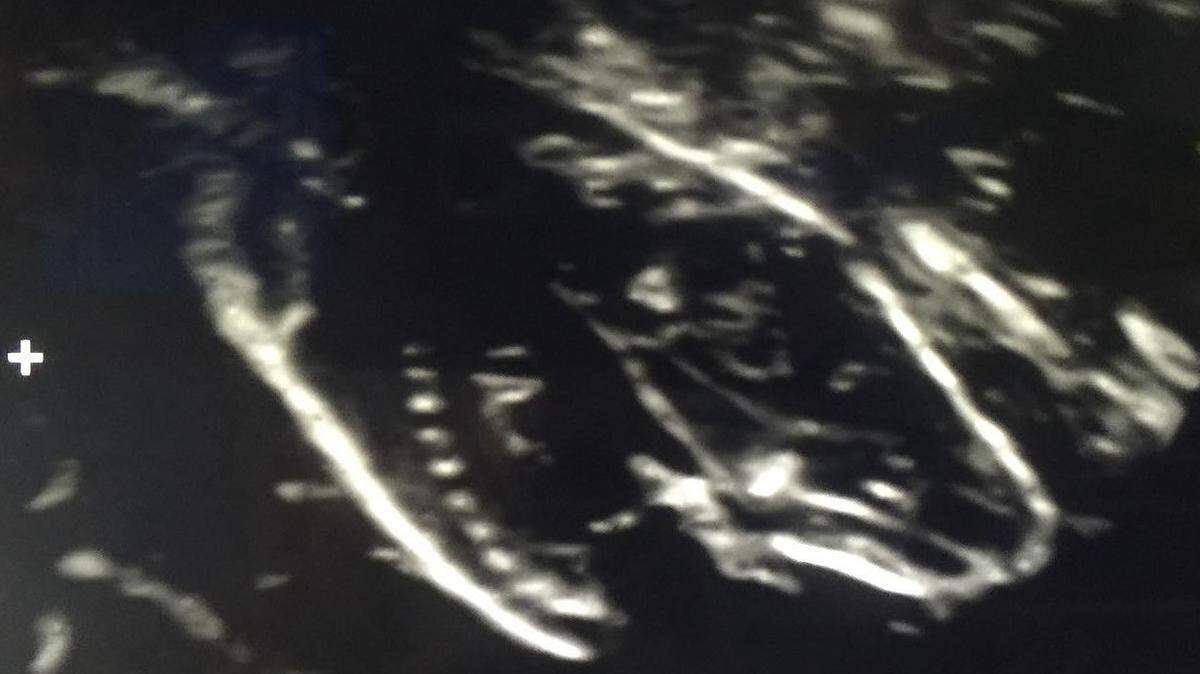
It’s never “cute” when shark researchers share baby photos of their subjects, but seldom are they as terrifying as one posted this week by the Sulikowski Shark and Fish Conservation Lab in Arizona.
The ultrasound shows a tiger shark pup that is either smiling devilishly or growling. Either way, the reptilian mugshot has it flashing a mouth full of teeth.
Researcher James Sulikowski called the in utero image “amazing” in a Sept. 28 Facebook post.
“Check out those teeth. Image worth 1,000 words,” Sulikowski told McClatchy News. “They have hundreds of teeth at birth, like an adult. Pups eat a variety of things (at birth): fish, birds, and do a lot of scavenging.”
The ultrasound is a peek inside the womb of a 12-foot tiger shark, and it’s believed she was only halfway through her pregnancy at the time, he said.
Still, the “baby” was already 1.3 feet in length, he said.
Sulikowski’s lab is based out of Arizona State University and has been collaborating with Neil Hammerschlag at the University of Miami to study tiger sharks in the Bahamas.
The team, which is headed back to the region later this year, has performed ultra sounds on more than 50 sharks in the past two years, Sulikowski said. That’s impressive, given Oceana.org describes tiger sharks as “aggressive predators, famous for eating just about anything they find.”
They grow to 18 feet on average, Oceana.org says. However, overachievers of the species have been known to reach 24 feet, according to Sharks-World.com.
“Tiger sharks have an enormous appetite and can eat almost anything they find in their path,” Sharks-World reports. “If they run into non-edible objects or junk, they do not hesitate to eat them even without trying them first. In their stomachs trash, bags, and even license plates have been found.”
Much of Sulikowki’s research has been in the Tiger Beach area of the Bahamas, which is a “tiger shark diving hot spot,” according to Epicdiving.com.
It’s believed tiger sharks carry their pups up to a year before giving birth, but that has yet to be confirmed, Sulikowski says
“We are really hoping to identify the exact timing of birth. ... We also hope to better understand the length of gestation and where mom goes before she gives birth,” he said.
This story was originally published September 30, 2020 at 11:54 AM.