
Rising seas force closure of road around iconic New England lighthouse from 1850s
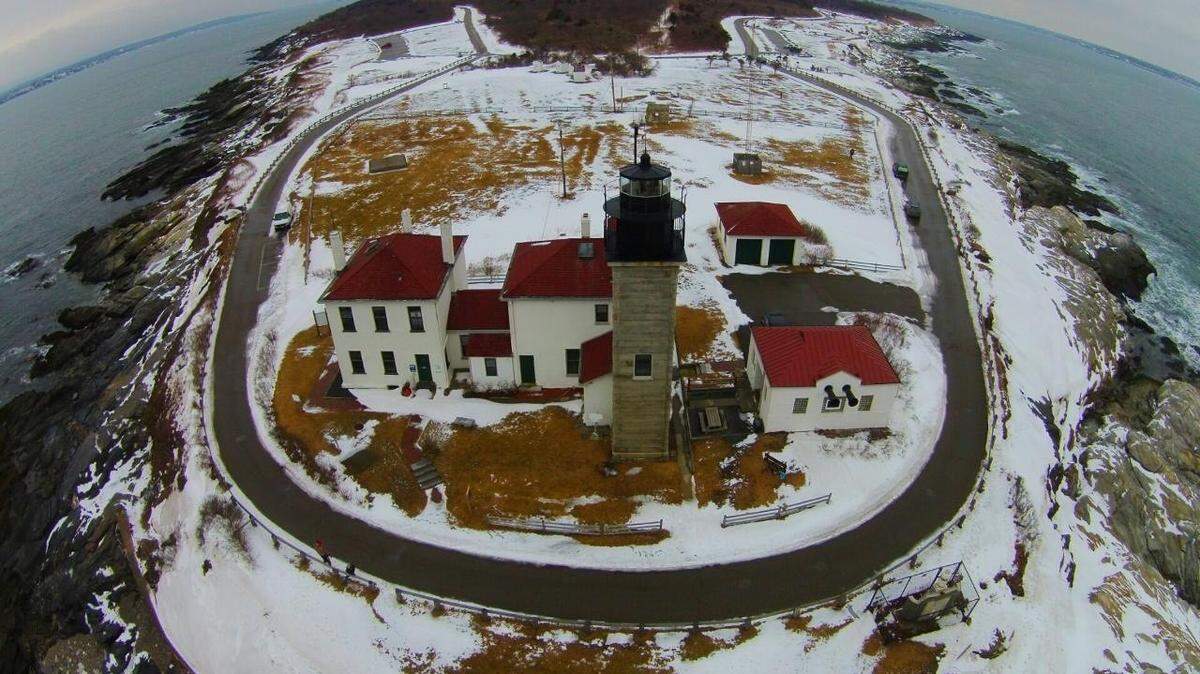
One of New England’s iconic lighthouses is facing a growing threat from rising seas, leading Rhode Island state officials to permanently close the road surrounding it.
The state Department of Environmental Management announced Tuesday that only pedestrians will be allowed around the 164-year-old Beavertail Lighthouse in Jamestown — for “safety” reasons.
“Residual damage from Superstorm Sandy (in 2012) along with erosion and storm surge intensified by climate change-driven sea level rise have caused dangerous washouts along the perimeter road and the surrounding pedestrian path at the iconic Jamestown property,” state officials said in a press release.
The road was well known for allowing tourists to see “spectacular vistas” from their vehicle, the state posted.
Environmental management officials did not say if the wooden lighthouse itself faces any immediate instability from erosion, but they released a statement saying steps are being taken to keep it safe.
The 64-foot-high structure was built in 1856 on a rocky outcropping that has hosted some form of light station since 1749, according to the Beavertail Lighthouse Museum Association.
It sits at the southern tip of Conanicut Island, a treacherous point that sees the brunt of ocean surge and high winds during coastal storms.
The Coastal Resources Management Council said Tuesday that it agrees the road must be closed “in the interest of public safety,” according to a Facebook post.
“That area has increasingly been subject to erosion and washouts from storm surge, flooding, and wind during ... major storm events as a result of climate change,” CRMC Executive Director Grover Fugate said in the release.
“People will still be able to access the shore, but will do so in a safer manner.”
Visitors to the lighthouse will now have to park in a nearby lot and walk several minutes to the tower, the state said.
The closure comes at a time when lighthouses and other coastal historic sites along the Eastern Seaboard face growing threats from rising sea levels and storm surge flooding.
Among the most drastic cases is South Carolina’s leaning Morris Island Lighthouse near Charleston, which advocates say could fall into the water at any time. It was built in the 1870s a quarter mile from the ocean, but now sits on a dot of land in Charleston Harbor, according to the Save The Light project.
The Cape Hatteras Lighthouse on North Carolina’s Outer Banks faced a similar threat of falling into the Atlantic, and the National Park Service undertook a massive project to save the lighthouse by putting it on rails and moving it 2,900 feet inland.
In the case of Beavertail Lighthouse, posts and chains will be used to keep vehicles away from the surrounding structure starting Feb. 3, officials said on Facebook.
Janet Coit, director of the Department of Environmental Management, says the state intends to “explore longer-term strategies to manage the impacts of the inevitable continued erosion at this site,” according to the release.
This story was originally published January 29, 2020 at 11:14 AM.