
Chilling audio captures eerie sounds as an ice shelf in Antarctica ‘sings,’ study says
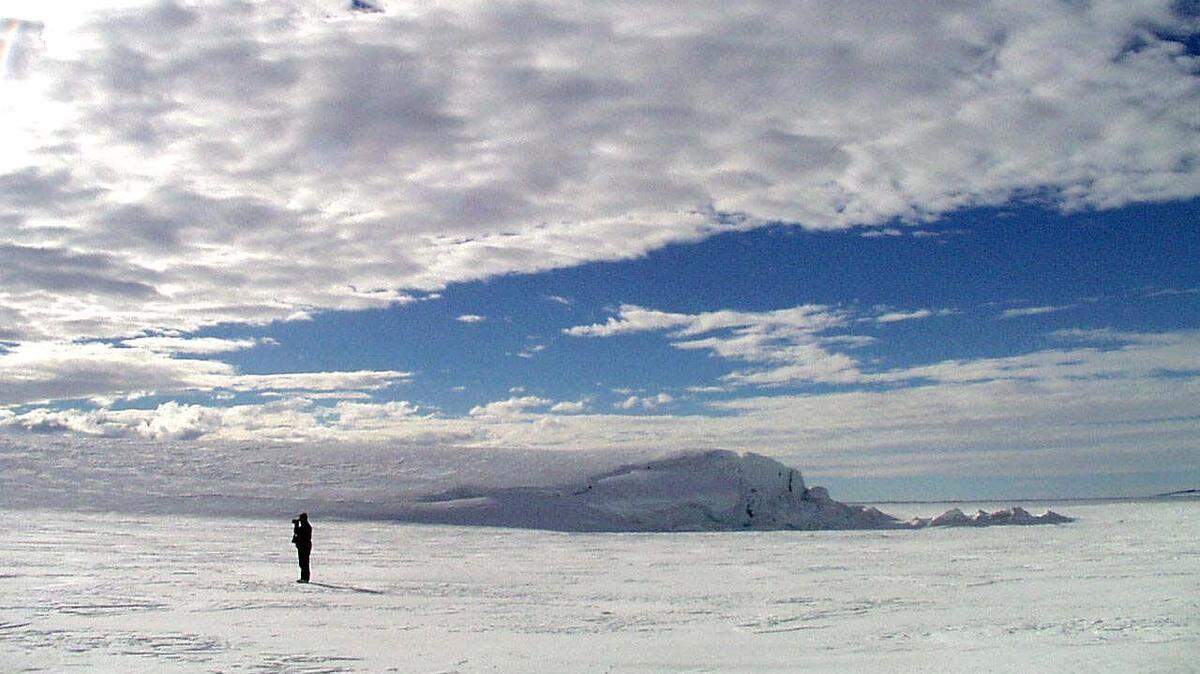
Recently-released audio reveals what it sounds like when an ice shelf in Antarctica “sings,” according to a new study.
And the eerie sound is chilling — pun intended.
Those findings were published in a study in the journal Geophysical Research Letters. Researchers put 34 sensors inside the Ross Ice Shelf in Western Antarctica in late 2014 and inadvertently captured what it sounds like within the Texas-sized mass of ice.
Researchers were able to use the sensors to study movements and sounds of the Ross Ice Shelf until early 2017, according to the study. The goal was to use the sensors to look at the structure of the ice shelf throughout different seasons, researcher Julien Chaput told Gizmodo, but the sounds came as a “happy accident” that were captured during the research.
Douglas MacAyeal, a glaciologist at the University of Chicago, likened the sound to a large group of buzzing insects.
“If this vibration were audible, it would be analogous to the buzz produced by thousands of cicada bugs when they overrun the tree canopy and grasses in late summer,” he wrote in a piece published in Geophysical Research Letters.
The human ear can’t hear the unaltered sound because it is at too low of a frequency, the researchers noted.
So what causes those sounds?
Quite simply, it’s wind and melting that causes the upper layers of the ice — called firn — to vibrate and make the jarring music.
The ice shelf is basically always “singing,” the study says, but is “excited” by blowing winds that can speed it up.
The amount of melting on the ice shelf can determine the style of the singing, too, according to the study. When the ice melted, the study said, the pitch of the “singing” also fell.
“We find that the frequencies and other features of this singing change, both as storms alter the snow dunes and during a (January 2016) warming event that resulted in melting in the ice shelf’s near surface,” the study says.
But the melting of ice shelves has real-world consequences, too. Forbes reported that sea level could rise by 197 feet if all Antarctic Ice Sheets melt.
“Melting of the firn is broadly considered one of the most important factors in the destabilization of an ice shelf, which then accelerates the streaming of ice into the ocean from abutting ice sheets,” Chaput said, according to Gizmodo.
This story was originally published October 17, 2018 at 3:49 PM.