
Scientists created a brain-cancer vaccine - and so far it's 'remarkably promising'
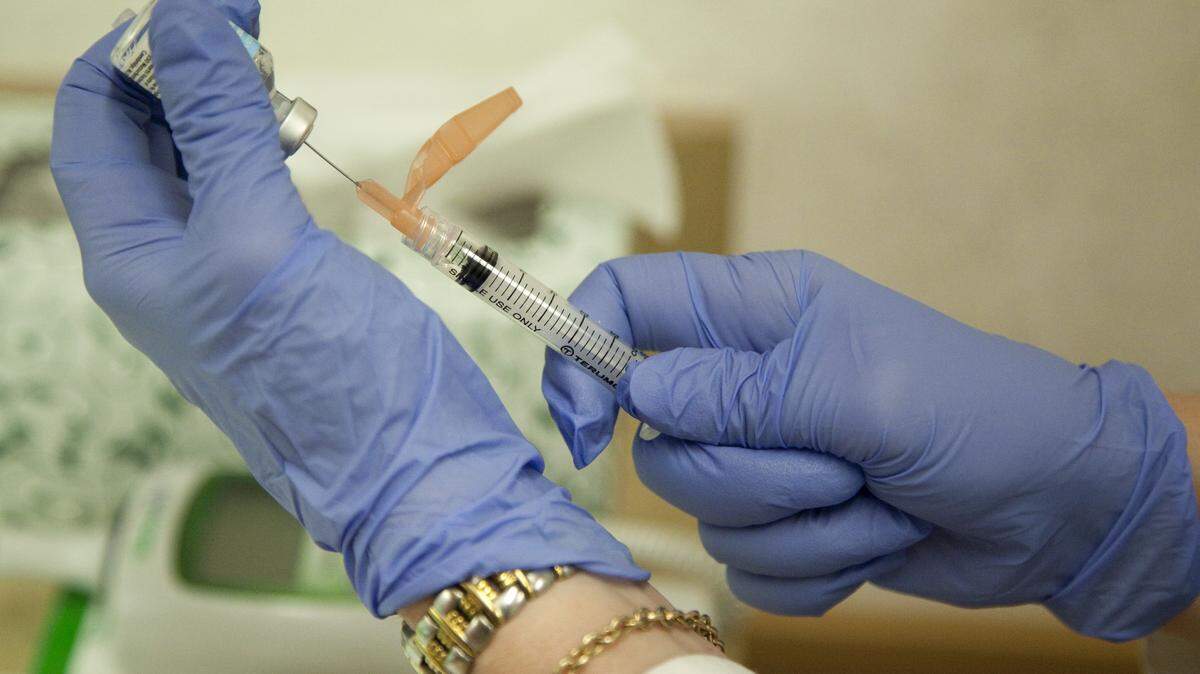
Scientists say a new, personalized vaccine for brain cancer could be a "major breakthrough" in treating the lethal disease, which tends to kill patients less than two years after they're diagnosed.
Doctors have been testing a post-diagnosis vaccine for glioblastoma in 331 patients across multiple hospitals, according to a study published recently in the Journal of Translational Medicine.
Glioblastoma occurs when a tumor forms in the brain's glial cells, which typically are there to help keep the brain healthy. It is a "devastating" disease that spreads rapidly and kills patients quickly, according to the American Association of Neurological Surgeons. It is the same form of brain cancer U.S. Sen. John McCain was diagnosed with in 2017.
Most people die a year or two after diagnosis, according to a news release from the Washington University School of Medicine.
But some patients in the vaccine study have lived significantly longer. Although the average survival time for the whole group was 23 months, about a third of patients lived nearly twice as long - and some patients in the trial have lived as long as seven years after diagnosis, according to The Guardian.
“In general, patients with this cancer live 15 to 17 months. The surprising part was that the 100 'extended survivors’ don’t appear to have the usual characteristics associated with a good prognosis. We are continuing to study these patients to understand why they have done so well," Jian L. Campian, one of the study’s authors, said in a news release.
"These results appear remarkably promising for a community of patients who have been given little hope for decades," David Jenkinson, chief scientific officer for the Brain Tumour Charity, told the BBC.
To create the vaccine, doctors removed as much of the brain tumor as possible from each patient, then combined bits of the tumor with cells from the patient's immune system, essentially training the immune cells to attack tumor cells. The new vaccine is then injected back into the patient every few months.
"They said there was nothing more they could do for me," 36-year-old Kat Charles, who was diagnosed with the disease in 2014, told the BBC. But after enrolling in the trial, her brain scan still detects no sign of cancer four years later.
"I go to London on the train, I have a shot in each arm and then I'm free to go home. It doesn't give me any side-effects. It's fantastic," she told the BBC.
Her husband told the site the vaccine had "done what everyone said was impossible."
The trial is still ongoing, but Keyoumars Ashkan, professor of neurosurgery at King's College Hospital in London and a co-author of the study, told The Guardian the early results were cause for "cautious optimism" in a battle that leaves so many without hope.
"Although definitive judgment needs to be reserved until the final data is available, the paper published today hints at a major breakthrough in the treatment of patients with glioblastoma," Ashkan told the paper.
This story was originally published May 30, 2018 at 11:20 AM with the headline "Scientists created a brain-cancer vaccine - and so far it's 'remarkably promising'."