Iraida Román Martínez, devoted sister of beloved Cuban exile bishop, dies in Miami
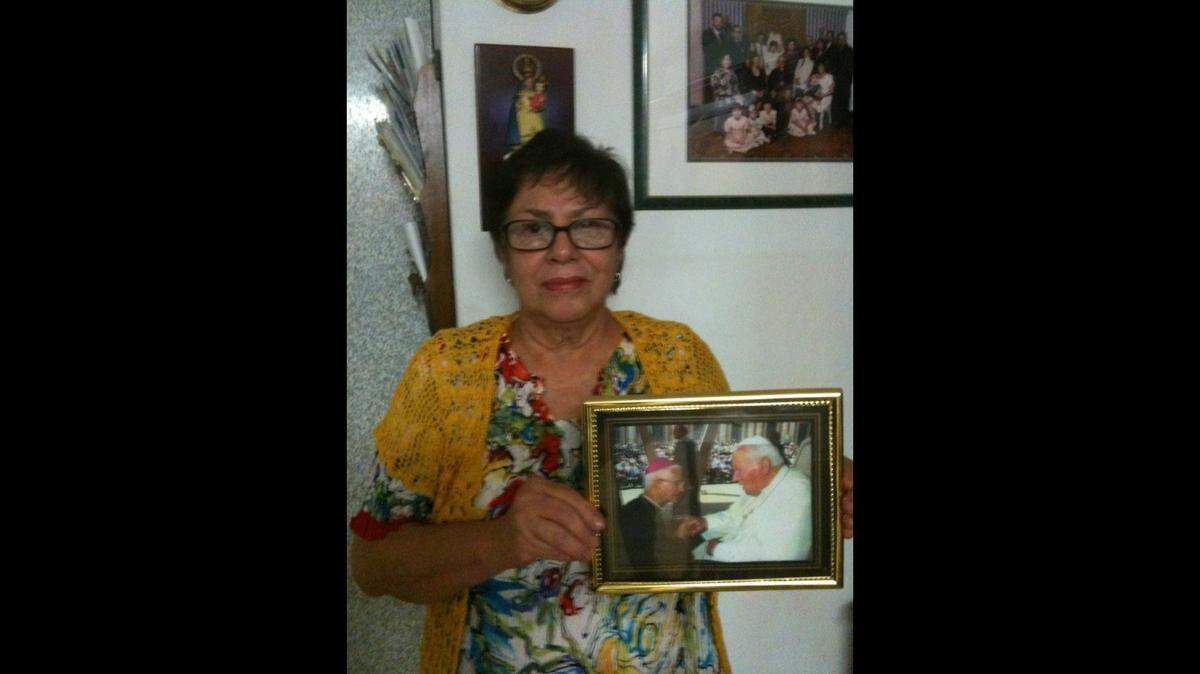
Iraida Martínez Román, the younger sister of Monsignor Agustín Román — remembered as the “spiritual father of the Cuban exile” and the first Cuban bishop in the U.S. Catholic Church — died in Miami at age 83.
Her life was defined by faith, hard work and an unbreakable bond with her renowned brother, whom she served as confidante and caretaker for decades.
The cause of death was a stroke, her daughter Ileana Martínez said. She died on Saturday, Aug. 16.
Funeral services were held Tuesday at the Ermita de la Caridad, the Shrine of Our Lady of Charity, the patroness of Cuba and a symbol of the exile community — a sanctuary whose construction Iraida quietly but decisively helped to support.
Childhood in rural Cuba
Born on July 19, 1942, at the family’s Casas Viejas farm in San Antonio de los Baños, Iraida grew up in a humble countryside home where she learned the values of sacrifice and family unity.
The family lived modestly but surrounded by affection. Among her most treasured childhood memories was a rag doll — a precious gift in a household where toys were scarce. During afternoons of play beneath the mango trees and beside the cane fields, her older brother watched over her as a guide and protector, assuming responsibility for his siblings from an early age.
.jpeg "Attachment-1 (1).jpeg")
She attended a Catholic school run by nuns in San Antonio, where she was formed in discipline, simplicity and prayer. Those early lessons shaped her strong character, deep devotion and the faith that later sustained her through the hardships of exile.
Exile and family separation
The Cuban Revolution split the family’s life in two. In 1967, Iraida left the island with her children but without her husband, Jorge Luis Martínez, who had been sentenced to prison.
Her older brother, already a priest and later auxiliary bishop of the Archdiocese of Miami, played a key role in helping the family escape Cuba. Through countless letters, petitions and efforts with consulates, Father Román moved heaven and earth to secure safe passage for his sister and nephews.
She left with her children and a heavy heart. Thirteen years passed before her husband was able to reunite with the family in Miami in 1980 during the Mariel exodus. By then, the children hardly knew him.
In Miami, the family settled in Little Havana. Iraida worked tirelessly in sewing factories and from home making silk shirts before her life became intertwined with the Ermita de la Caridad, where she assisted in the kitchen, cared for the rectory, did the priests’ laundry and prepared meals for spiritual retreats.
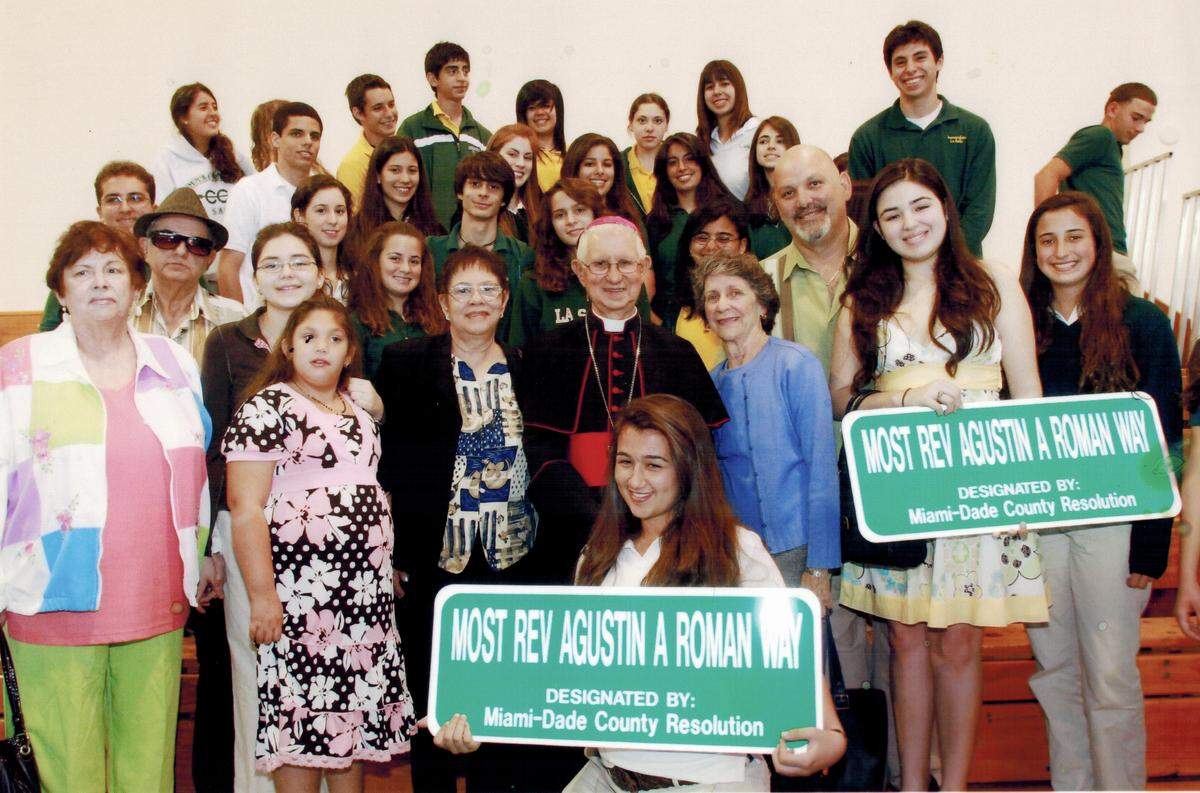
Cuban historian Julio Estorino described her as “a humble woman of great faith whose life revolved around Monsignor.” He recalled how, in the Román household, newsletters were edited and letters drafted to members of the Cofradía de la Virgen de la Caridad, a lay Catholic association devoted to Cuba’s patron saint, to raise funds for the shrine’s construction.
She also played a quiet but crucial role in organizing the first pilgrimages of Cuban municipalities, annual gatherings in which exiles from each town of the island came together at the shrine to honor their patron saint and traditions, supporting the effort that gave life to the spiritual home of Cuba in exile.
A second mother to Monsignor Román
Her daughter described her as “a second mother to Monsignor.” She accompanied him during hospital stays, organized his home, cooked for him and cared for him with complete devotion. “Our life revolved around him and the Ermita. It was a sacrifice, but also a privilege,” Ileana said.
She extended that care to the entire family, especially to her brother Nivaldo, who died in 2015, and whom she cared for until the end. Years earlier, in 2012, the death of Monsignor Agustín Román had deeply shaken the Cuban exile community.
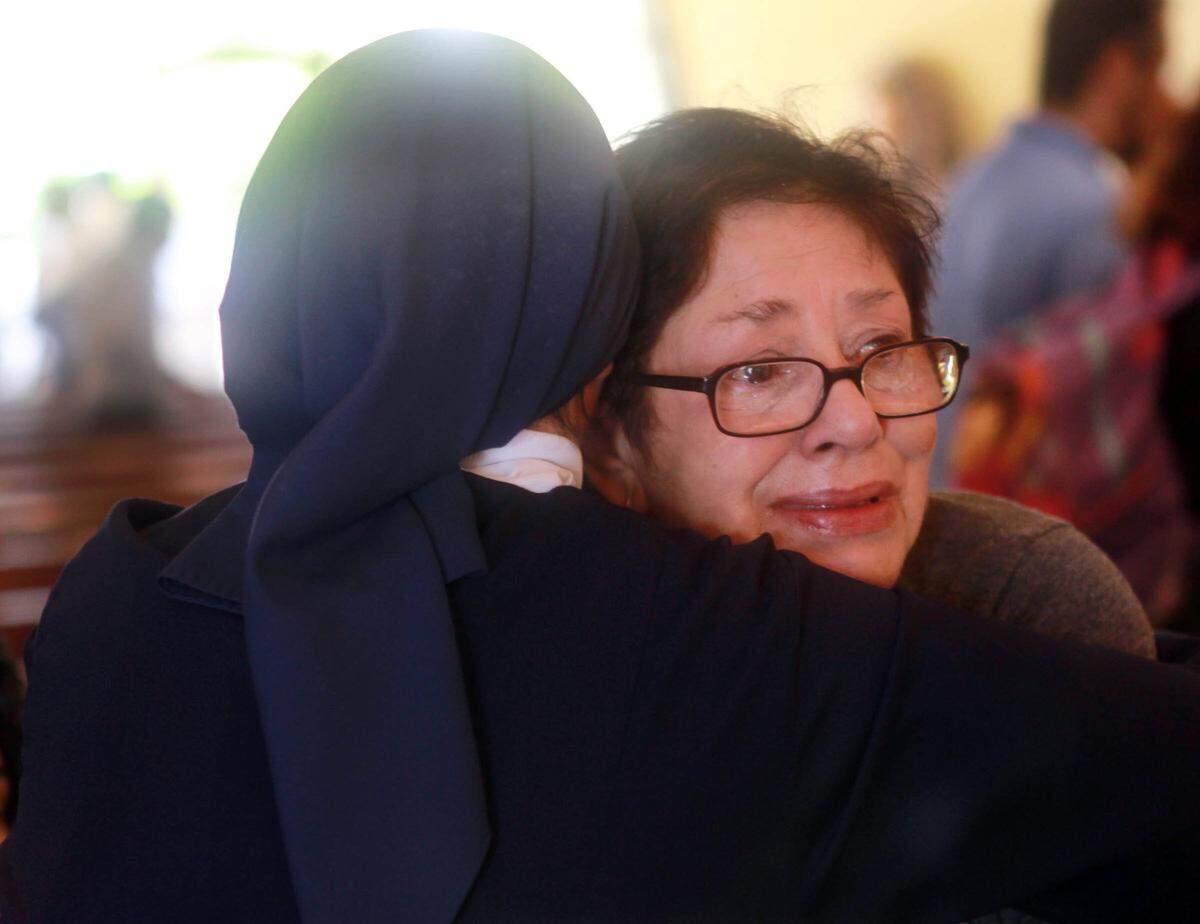
To those who study the history of Cuban exile, Iraida embodied the silent strength of that story — the woman who, behind the scenes, upheld the mission of the beloved bishop, Father José Luis Menéndez recalled in his funeral homily.
Last years and legacy
In her final months, Iraida’s health declined. She spent her last week at Jackson Memorial Hospital surrounded by her children, grandchildren and great-grandchildren — which her family described as a grace that allowed her to say goodbye to all.
“She was given the chance to say farewell,” her daughter said.
She is survived by her children, Ileana María and Jorge Luis; her grandchildren Verónica, Angélica, Eduardo, Christy and Melissa; and five great-grandchildren. Her husband, Jorge Luis Martínez, died in 2018.
Her legacy lives on in the memory of those who knew her as a devoted mother, a woman of faith and the inseparable sister of the bishop who forever marked the history of Cuban exiles.
This story was originally published August 23, 2025 at 1:39 PM with the headline "Iraida Román Martínez, devoted sister of beloved Cuban exile bishop, dies in Miami."