Julian Kreeger, known for his dinner parties and maestro of classical music, dies at 84
The musical bridge connects two sections of a song and can engage listeners and make an ordinary tune extraordinary.
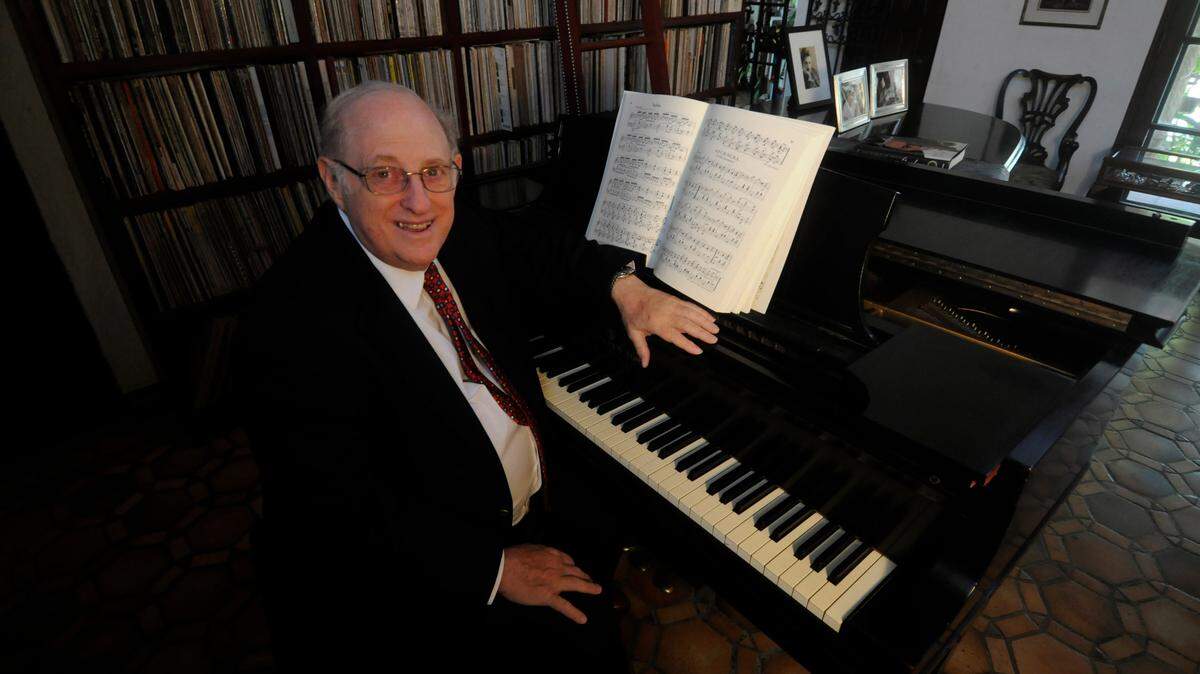
Miami classical music impresario and lawyer Julian Kreeger, who died Nov. 22 at 84 after a long series of medical issues and surrounded by family and friends, advanced that composer’s skill, his sons David and Daniel said. He was the maestro bridge builder who, along with his wife, retired Miami-Dade Circuit Judge Judith Kreeger, scored the notes to his famed dinner parties.
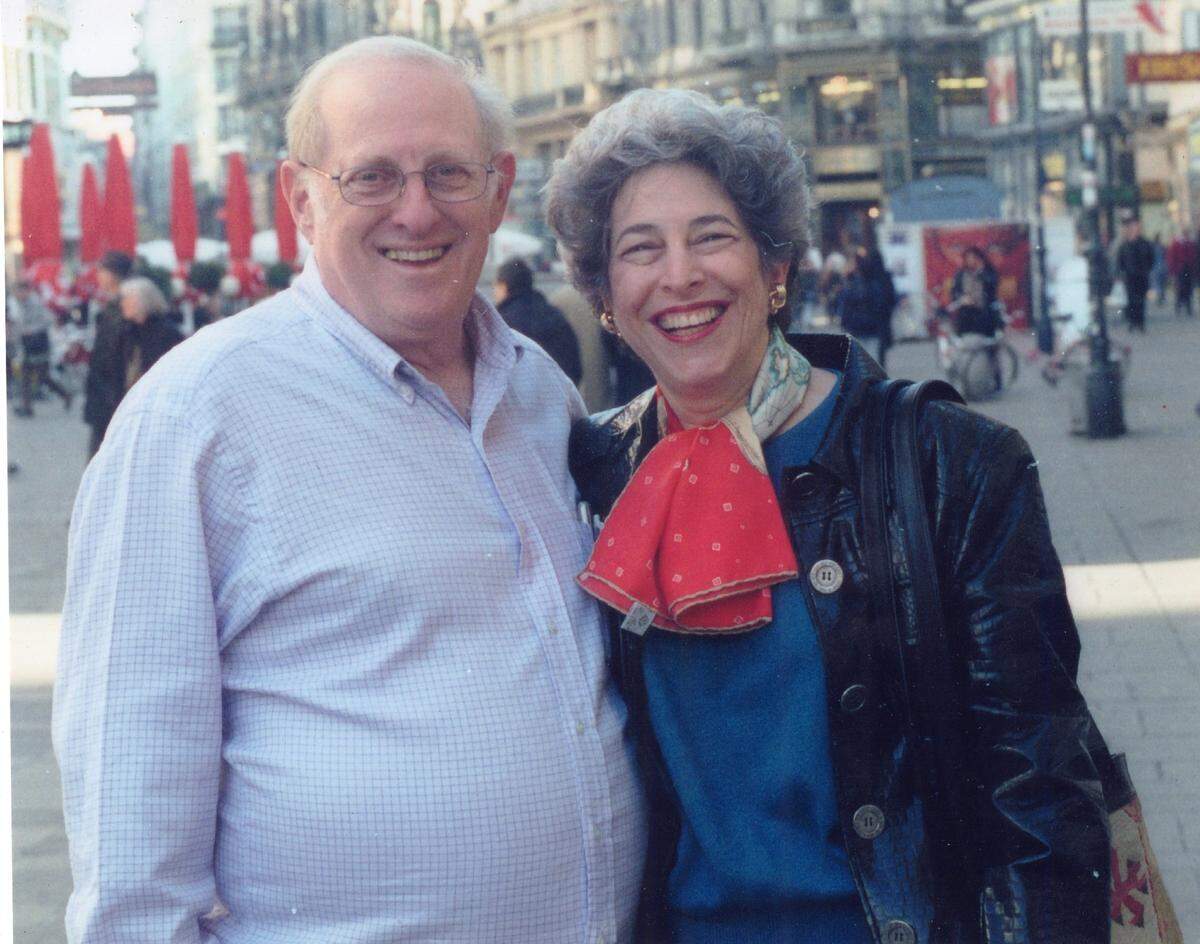
At these dinner parties the couple, who met as law students at the University of Miami and wed while studying for their bar exams in 1966, joined together a bounty of guests from every discipline. The Kreegers’ homes in Miami Beach and, later, Coconut Grove were cultural incubators.
Famous, diverse guests
The names of the invited guests were a Who’s Who in America.
Among them: Musicians and composers Itzhak Perlman, Bobby McFerrin, Arthur Fiedler and James Judd.
Judges, lawyers and politicians including Sen. Bob Graham, Alan Dershowitz, Hon. Gerald Kogan and Hon. Rosemary Barkett.
Bankers, CEOs and philanthropists numbering Leonard Abess, Tony Ridder and Bruce Clinton.
Journalists such as Marty Baron, Liza Gross, Gene Miller and David Lawrence Jr.
“Julian was among the most good-hearted people I’ve known,” said Baron, a former Miami Herald and Boston Globe executive editor and retired Washington Post editor.
Baron lived a couple blocks from the Kreegers’ home on North Bay Road in Miami Beach when he was the Herald’s editor in 2000 and he became the couple’s regular dinner guest.
“The world could use a lot more like him, with his irrepressible cheerfulness and abundant generosity,” Baron said. “The conversation always revolved around classical music (which I knew something about), fountain pens (which I knew nothing about), and politics (which I came to know too much about). You could not leave the house without him offering you a few CDs of famous musical artists he had befriended over a lifetime devoted to promoting classical music in South Florida.”
“Even when I visited him in mid-October at a rehab facility in Kendall West, as he seemed to be clinging tenuously to life, I heard not a single complaint about his condition, only a few stabs at his usual jokiness and the hope that we’d see each other again in the new year.”
Liza Gross, a former managing editor at the Herald, remembers an exchange at one of these parties.
“At one of the countless brunches Julian Kreeger and his wife Judy hosted at their lovely Miami Beach home, the following question came up: ‘What favorite city would you pick to live in?’
“The answers came fast: ‘London!’ ‘Paris!’ ‘New York!’
“Julian remained uncharacteristically silent. Finally, when pressed, he answered: ‘Here. Wherever I am is my favorite place.’
“That statement distills the very essence of my friend Julian Kreeger. His inner world, a rich and joyful universe animated by a passion for classical music and fountain pens and a deep love for Judy, was more than enough to sustain his mind and soul,” Gross said.
Kreeger’s background
Born an only child in New York City, Kreeger regaled guests with his stories bridging his work in the legal and musical communities. He started piano lessons at 7, encouraged by his insurance executive father, he told the Miami Herald’s late classical music critic James Roos in a 2001 interview.
Talmudic studies at Yeshiva University and a role-model uncle inspired his interest in law, Kreeger once said.
At his South Florida homes he could instantly find a requested record by clambering confidently on ladders lining his music shelves that stretched two stories, 18 feet high and ran 30 feet wide. He’d burn CDs with rare classical compositions to hand out as parting gifts to his dinner guests.
Kreeger’s collections
“Dad was known as a collector of music, fountain pens, even funny watches. His collections taught us to find something to be passionate about and share that passion,” said his son David.
“But more importantly, he was a collector of people. We saw the lengths to which he would go to help friends, friends of friends, and friends-to-be. And that is how we learned the importance of creating meaningful relationships that give us our real purpose — to make the world a better place and in the process enrich our own lives.”
Visiting his collection at the Kreeger home in Miami Beach was a rite of passage for musicians from around the world who traveled to Miami from the early 1970s through the 2000s, his family wrote in his obituary.
‘Like the round table at the Algonquin’
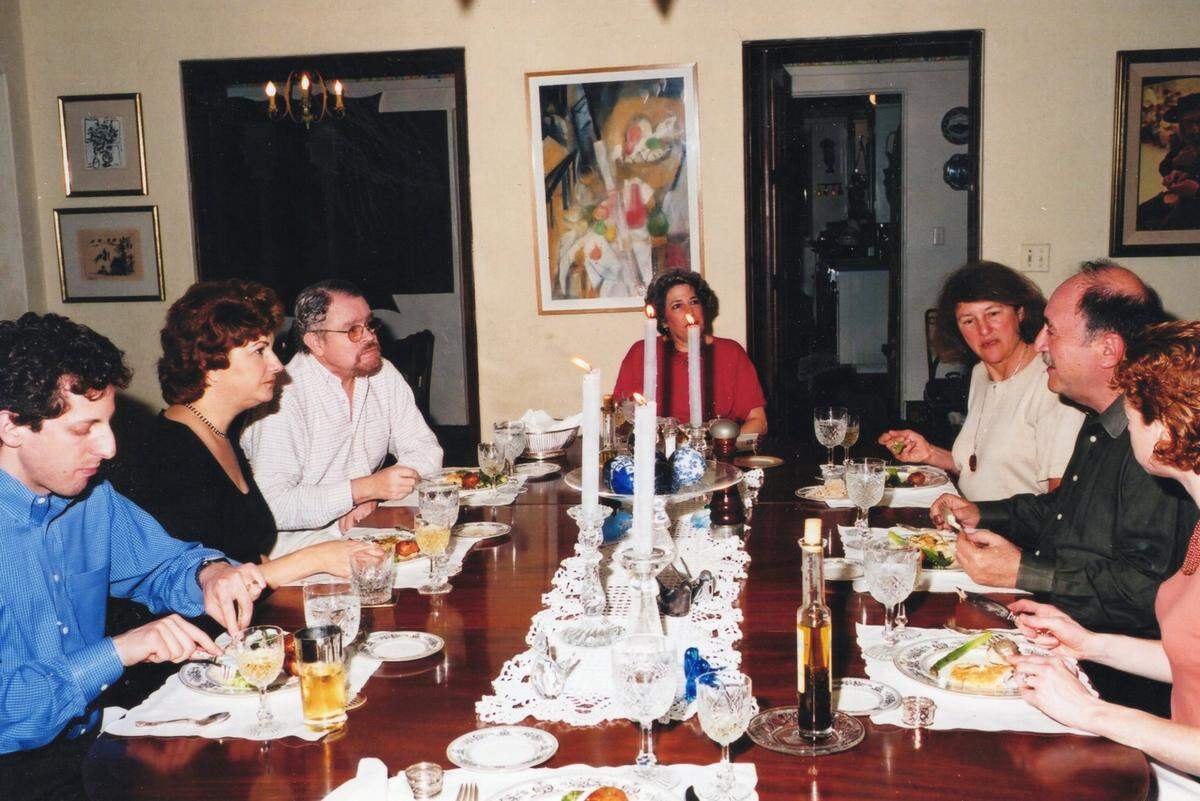
“A dinner party at the Kreegers was like the famous round table at the Algonquin,” said friend, lawyer and former Harvard law professor Alan Dershowitz.
“Every well-known artist, musician, intellectual in South Florida was there. You would sit next to one of the world’s most famous sopranos, and she would actually sing a couple of notes for you. You would converse with conductors and composers and then, of course, you would always go home with a CD that Julian gave you of one of the great piano recitals in the world. They were remarkable events that I looked forward to all year,” Dershowitz said.
Don’t think, however, these Kreeger-led soirees were stuffy affairs. Heaven’s no, Dershowitz said in a telephone interview with the Miami Herald.
“He wasn’t a highbrow. We used to trade Yiddish jokes — including some pretty risque ones. For some reason, he loved fart jokes,” Dershowitz said, laughing. He then reflected.
“The way Julian gave me an entree into the music world. Wow. Wow. And, you know, his wife was a dynamo,” Dershowitz said. “We were constantly conferring. She was a judge. An international authority on children and she would go to The Hague.”
“Just a remarkable family. I don’t know what South Florida is going to do without Julian. The world is in desperate need of culture and Julian was one of the most important cultural figures in the last 50 years.”
Friends of Chamber Music
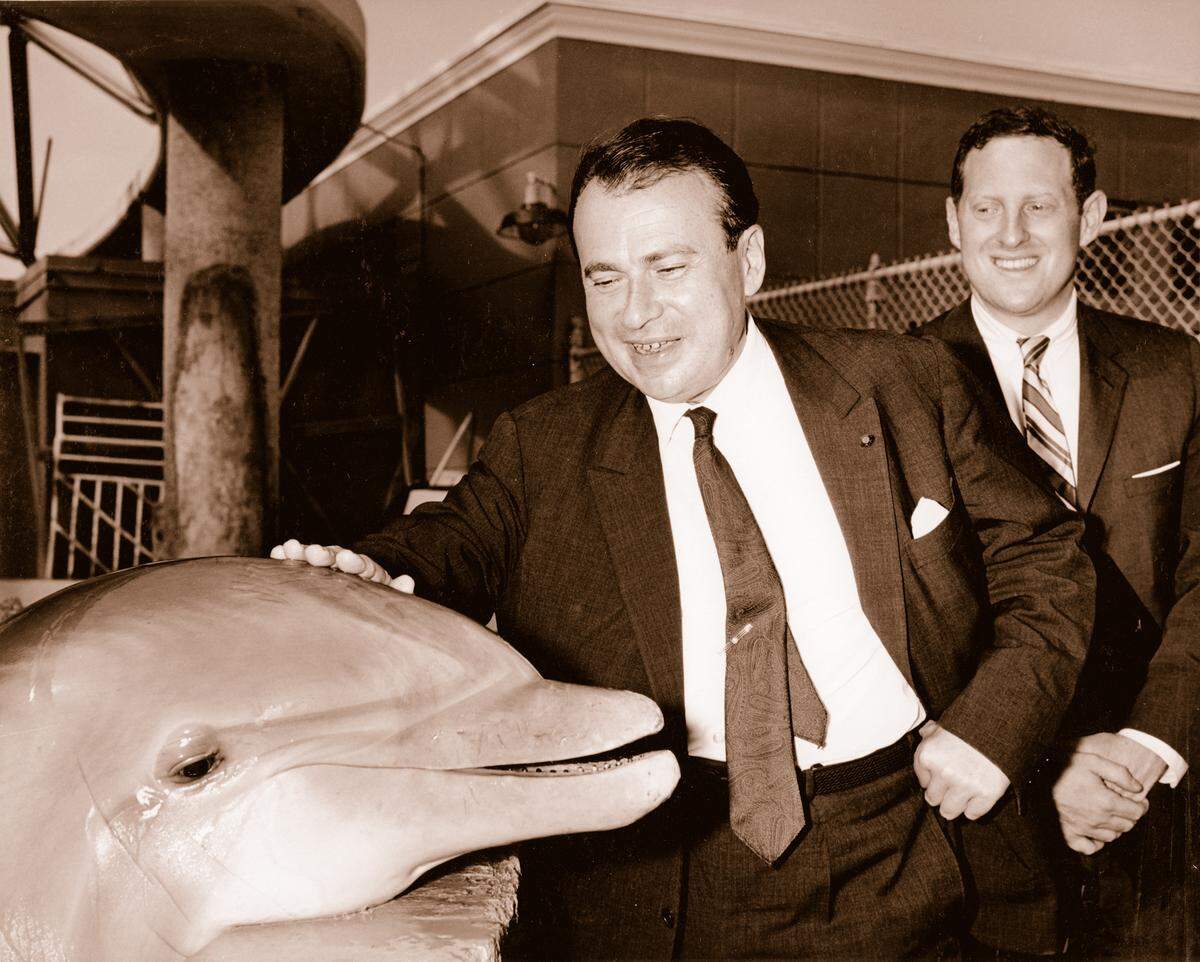
Kreeger served four decades as executive director of the Friends of Chamber Music concert series in Coral Gables. He co-founded the classical music label Audiofon Records in 1979.
He donated his personal archive of 27,000 classical recordings — a collection that initially fortified South Florida’s classical music radio station, WTMI, where Kreeger’s weekly “Collector’s Gallery“ program culled from his record collection — to Florida International University’s College of Architecture + the Arts.
That cherished stash of albums, tapes, videos, books and sheet music is believed to be one of the largest private collections of classical piano music, FIU’s CARTA Dean Brian Schriner believes.
“Julian was a kind, caring, and generous person, who made a positive impact in the lives of our music students and members of our community. On a personal note, he was a dear friend who changed my life. I will forever be grateful for having the chance to get to know him, Judy, and sons, Abram, David, and Daniel,” Schriner said.
His boss, FIU President Kenneth Jessell, bonded over his university’s football games and academia with Kreeger, a Columbia College 1961 grad who played on his school’s freshman basketball team before turning his attention to classical music.
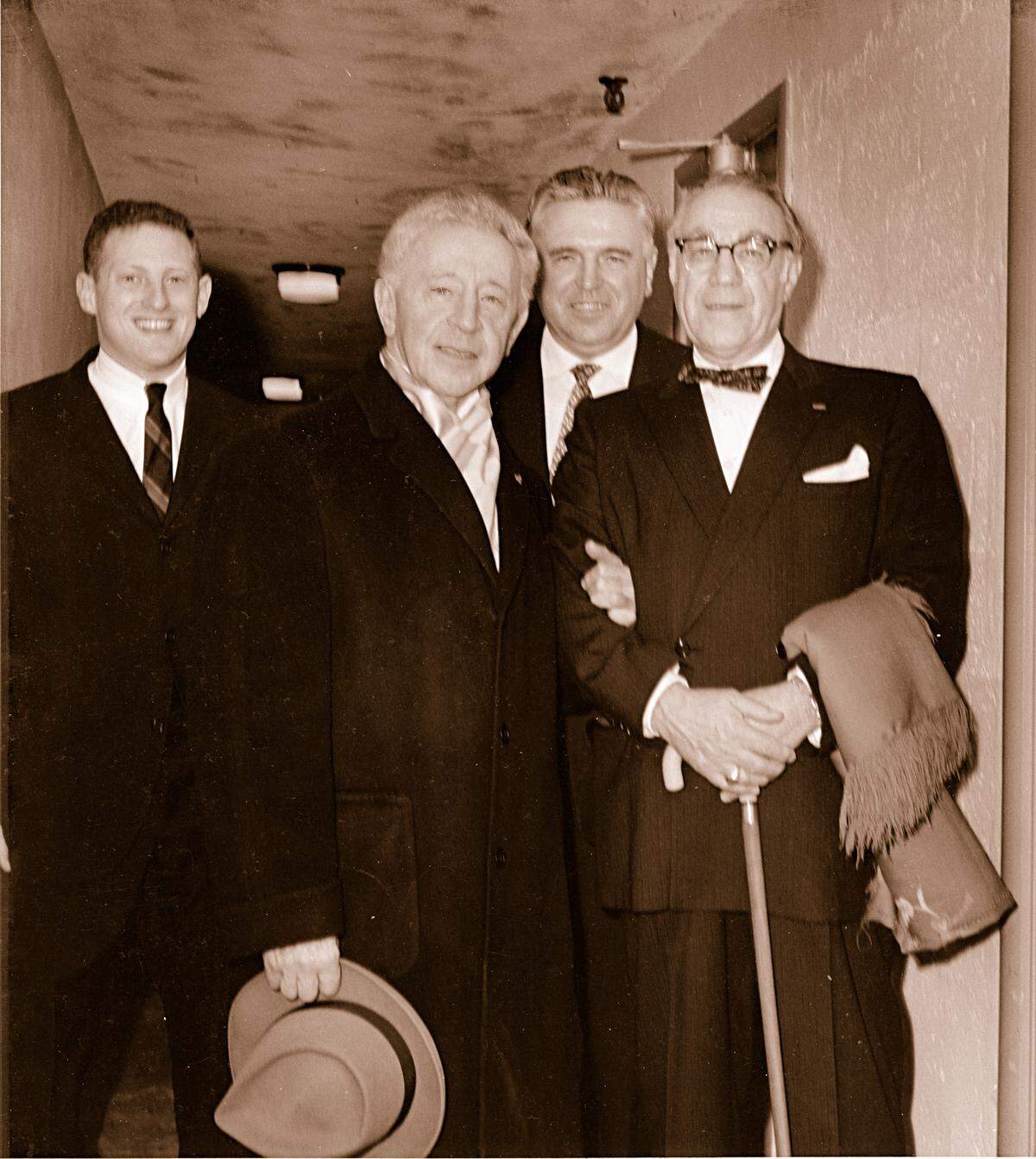
At Columbia in New York City, Kreeger served as classical music director for WKCR, the student radio station where he scored an interview with renowned Polish-American pianist Arthur Rubinstein. He then bridged the worlds of music and law, post-UM law degree.
Kreeger’s legal clients included large New York banks, international entertainment conglomerates, Miami Seaquarium’s former owner Wometco, musicians and athletes, his family said. He taught arts and entertainment law as an adjunct professor at his UM alma mater.
“Julian was an amazing individual in so many ways,” Jessell said. “He was both brilliant and passionate about the things he loved and enjoyed, from music to education to athletics. He shared his passions with so many people, and was always willing to help others along the way. He was a scholar of classical music and was a big supporter of FIU’s Wertheim School of Music’s Amernet Quartet and also a big supporter of FIU athletics — and he was well versed in both.
“I personally loved the times he joined me at our football stadium. His love of life and his infectious personality, along with his caring and sharing, will be sorely missed by so many in the FIU family and by me personally.”
Organizing his record collection
.jpg "1 (2).jpg")
Kreeger’s son David shares a story about how organized — and determined — his father was.
“So Sam Hollander, who’s a former member of the Board of Trustees for UM, was a longtime friend. One time he was over and he said, ‘OK, Julian, I’m going to make you a bet. I’m going to bet that you can’t find a particular recording.’ And Dad said, ‘Oh no, I definitely will.’ And so they decided what recording it was. Before he got up on the ladder, Dad said it’s going to be on the top shelf and it’s going to be the first section of records and it’s going to be probably the fourth or the fifth record over from the left.
“And so he then wields the ladder over, and he starts climbing up the ladder. And Sam says, ‘OK, OK, you win!’” David Kreeger chuckles. Hollander, he said, was afraid the senior Kreeger was going to fall off the ladder and fall through the 7-foot Steinway grand piano in the living room that sat below his perch.
“Dad was not going to just win based on Sam saying, ‘You win. Dad actually got up, reached exactly where the record was, and pulled it out. So he had this hierarchy that was kind of fascinating,” David said.
In 1985, Kreeger became the executive director of the Friends of Chamber Music concert series in Coral Gables.
Over the course of nearly 40 years as the head of that series, Kreeger hosted musicians including the Beaux Arts Trio, James Ehnes, Emerson String Quartet, Benjamin Grosvenor and scores more.
Kreeger and the Miami music scene
British conductor James Judd, former music director of the Florida Philharmonic and music director emeritus of the New Zealand Symphony Orchestra for whom he still conducts every year, relied on Kreeger’s expertise during his 14 years with the Florida Philharmonic. When it came time to negotiate a new contract with the Florida Philharmonic in 2001, Judd sought Kreeger’s advice.
“Julian’s impact on the Miami music scene through Friends of Chamber Music was huge, stretching over many years,” Judd said. “He could pick up the phone to artists, some household classical music names, others at the start of what became great careers. The artists respected Julian; loved to come to play for him sensing his profound love and passion for music.
“Dinner parties at his home were always lively. He knew how to assemble people; even if at first glance commonality seemed to be based on the thinnest of threads. You would leave with new phone numbers and business cards,” Judd said. “When I was out of town, he would make it a point to include my wife Valerie. That was typical Julian and Judy. Smaller gatherings always included some listening in that magnificent room of wall-to-wall recording and books with the piano pride of place, a Steinway/Baldwin — yes, that’s another story — often requiring us to guess the performers.”
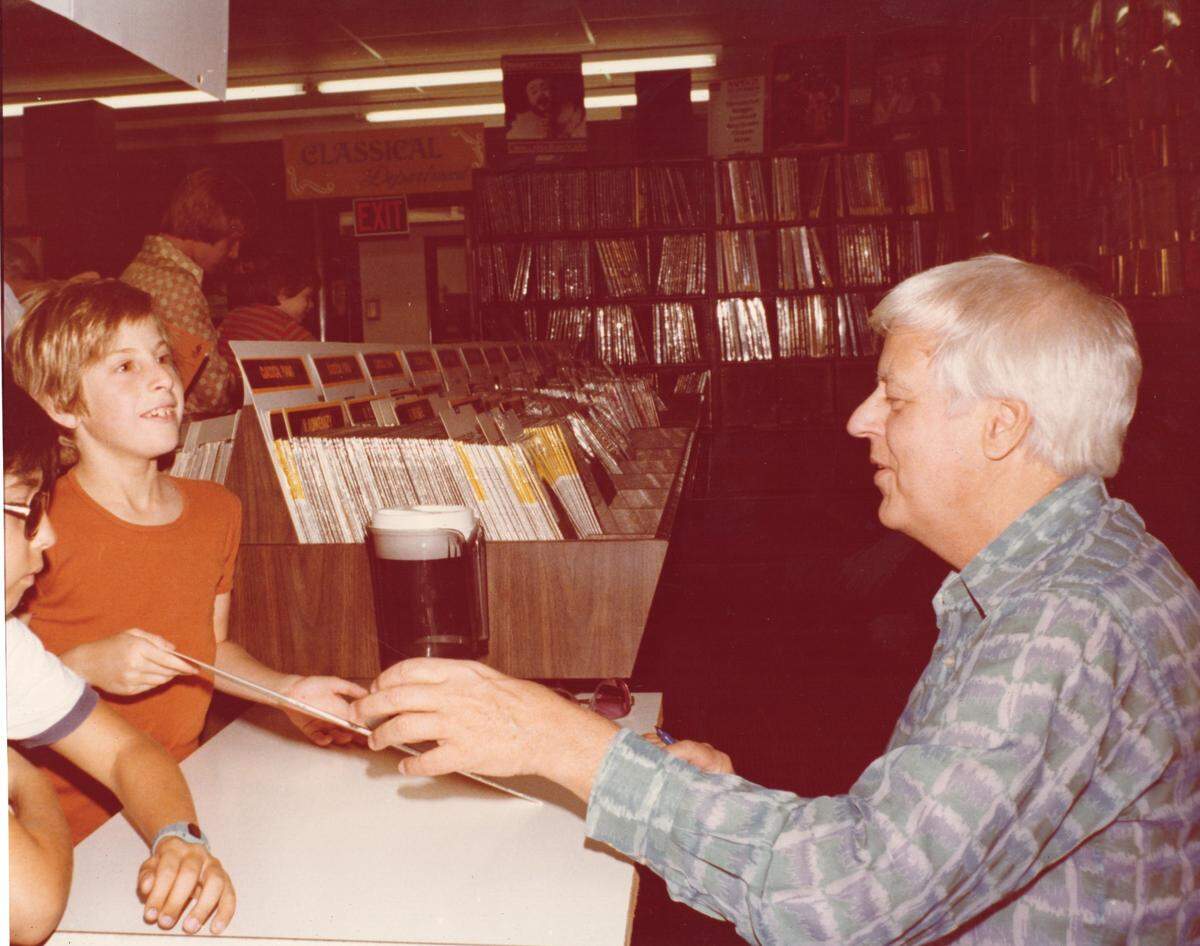
Adds Shelton Berg, the dean of the University of Miami’s Frost School of Music: “Julian Kreeger was one of a very few who brought the highest level of solo and chamber music to our community. Among his friends were a ‘Who’s Who’ of classical music titans, and at Julian’s behest they performed in Miami, over and over. Julian’s imprint and legacy are huge, and his passing leaves an irreplaceable void.”
Fountain pens
Kreeger was exacting and precise. He detailed his fondness for fountain pens to former Miami Herald columnist Bob Swift in a 1989 column.
“I carry a broad-stroke Mont Blanc fountain pen for depositions,” Kreeger said. “An old Parker Big Red for more serious writing; a Parker VP fountain pen with a needle-like point for needle-like briefs; and a Cross ball point for signing credit card slips. No fountain pen will go through the card-holder’s copy. By the way, Bob, we don’t say ‘ink.’ We say ‘writing fluid.’”
Swift, who professed no expertise on writing instruments, corrected himself when responding to another reader’s suggestion on the usage of a 1940s and 1950s-era Esterbrook pen.
“”I will, when I get some ink, er, writing fluid,” Swift wrote lest Kreeger, an avid reader who contributed op-eds to his hometown Herald frequently, was reading his latest column.
Survivors, service
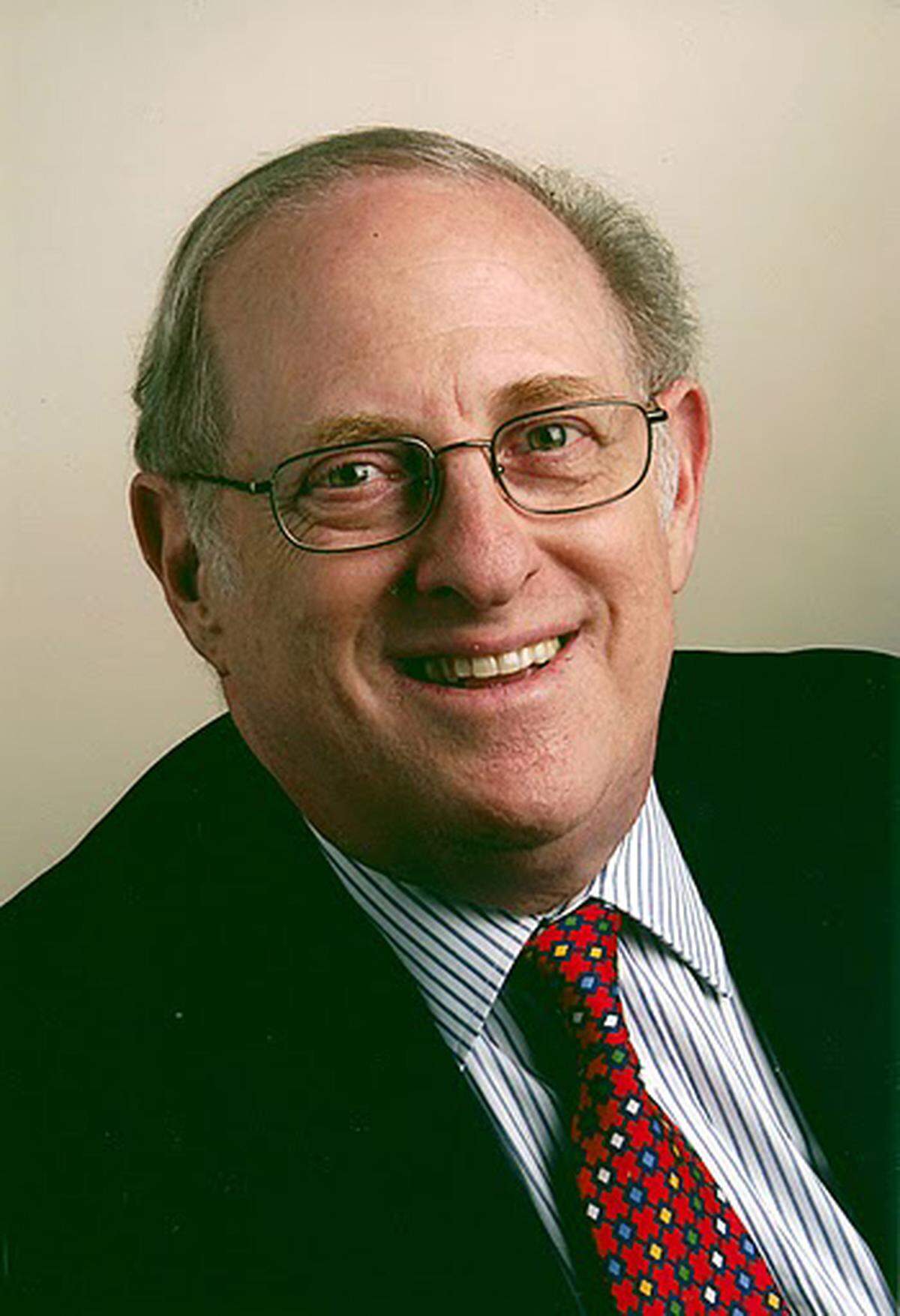
Kreeger’s survivors include his wife Judy; their children Abram, David and Daniel; grandchildren Ilana, Addison and Andy.
Services will be held at 1 p.m. Sunday, Dec. 1, at Riverside Gordon Memorial Chapel, 5900 SW 77th Ave., Miami. Friends of Chamber Music plan a public memorial concert in the spring at a date to be announced soon.
The family asks that donations be made to Friends of Chamber Music of Miami through mail to 12800 SW 104 Terrace, Miami, Florida 33186.
This story was originally published November 27, 2024 at 5:00 AM.